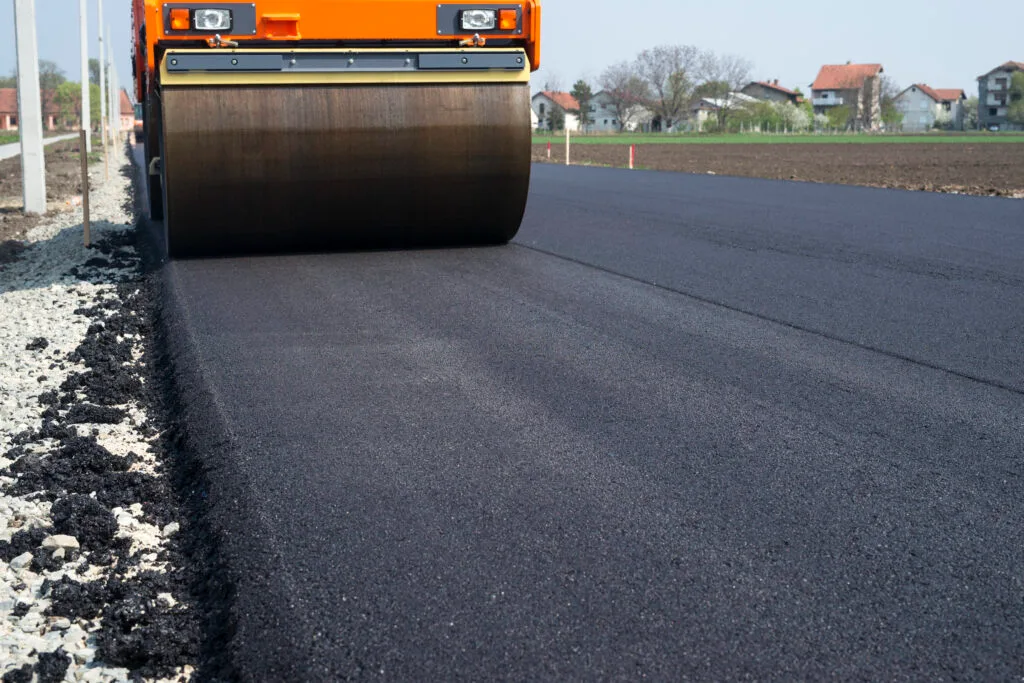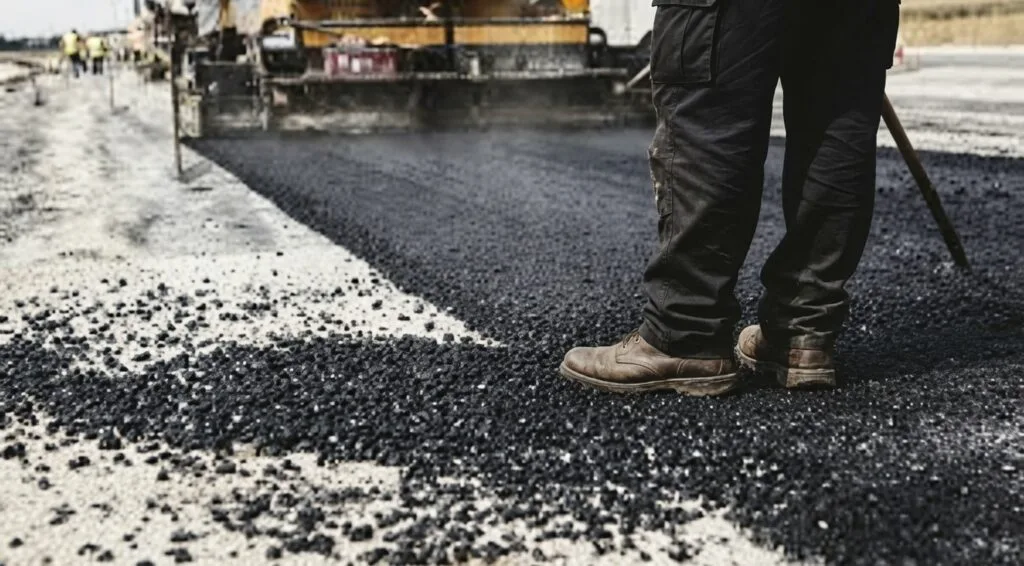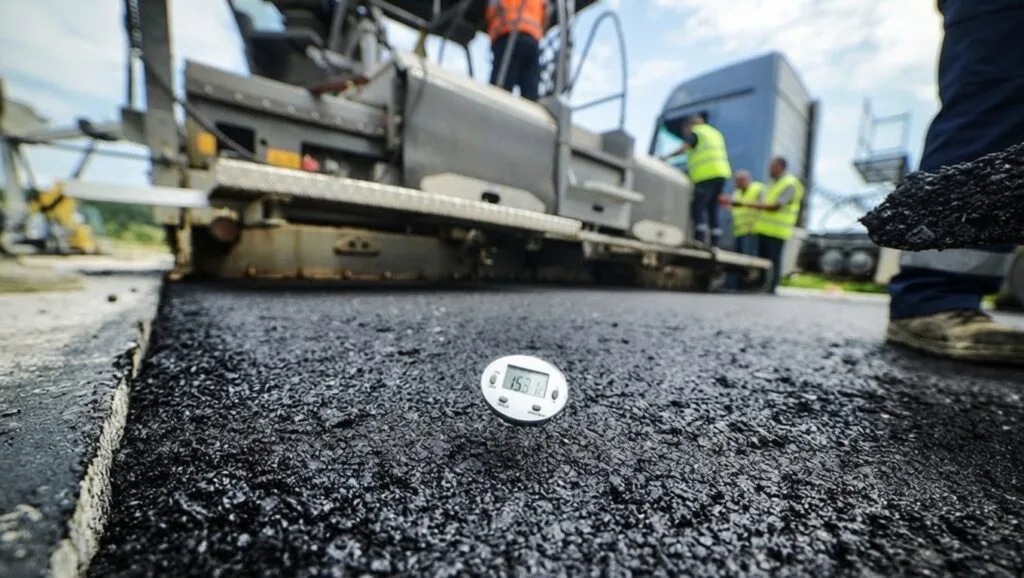
The bitumen in Burkina Faso is becoming a matter of national sovereignty. Facing a historic deficit in road infrastructure, in 2026 the country is making a radical strategic shift centred on bitumen.
By rejecting external debt and drawing on financing from its own resources, combined with the mobilisation of the Military Engineering Corps, the country has launched a colossal undertaking: paving between 3,000 and 5,000 kilometres of roads each year.
An analysis of an unprecedented approach to road construction in the Sahel region.
Key takeaway: in Burkina Faso, bitumen is establishing itself as an instrument of sovereignty. Thanks to financing from its own resources, direct public management by the Military Engineering Corps and a fleet of 776 machines, this model aims to pave 3,000 to 5,000 km per year, without resorting to foreign borrowing.
The challenge of opening up: a road network to reinvent
In this landlocked West African nation, the road is far more than mere infrastructure: it is the genuine engine of the economy.
Until recently, on a total network exceeding 61,000 kilometres, only about 4,000 kilometres had a bitumen surface, leaving the country's economy exposed to tracks that became impassable during the rainy season.
During the year 2026, the transition government chose to break free from the usual financing models. The unprecedented Burkinabè doctrine is based on rejecting automatic external debt in favour of harnessing national resources.
Major projects are therefore covered directly by the State's public funds and by citizens' contributions through the "Faso Mêbo" programme.
This shift takes place within a continent-wide movement, as outlined by the African Development Bank.
Bitumen in Burkina Faso serving the Ouaga-Bobo motorway
The symbol of this acceleration is the launch of the country's very first motorway.
Designed to link Ouagadougou, the capital, to Bobo-Dioulasso, the country's second-largest city, this motorway corridor runs for 332 kilometres and on its own accounts for the bulk of Burkina Faso's bitumen needs.
A bitumen project in continuous production
- The project: the works are progressing at an intensive pace of continuous production, 24 hours a day.
- The design: the alignment adopts a 2×2-lane configuration, expandable to 8 lanes, with generous 100-metre land reserves to prepare for future expansion.
- The funding: close to 200 billion CFA francs (over 350 million USD), fully guaranteed by the State.
- The objective: to speed up the transport of goods to the main regional ports (Abidjan, Lomé, Cotonou) and put an end to the nation's logistical isolation.
In parallel, heavy attention is being devoted to the cross-border national roads towards Mali and Côte d'Ivoire.
The Bobo-Dioulasso – Banfora (RN7) section is having its structure reinforced over 84.7 km, for a sum of 63 billion CFA francs.
As a continuation, the paving of the RN11 (Banfora – Orodara) and the rehabilitation of the RN8 (Moami – Orodara), estimated at 32 billion FCFA, open up the main agricultural production areas.
The direct public management method: lower costs, greater autonomy
The genuinely innovative contribution of the Burkinabè model lies in its way of operating: management taken on directly by the State itself.
To avoid the margins of the major international construction firms and to make the most of public funds, the government has heavily equipped its national road-building apparatus.
The nation has equipped itself with a remarkable sovereign fleet of 776 heavy earthmoving machines (graders, bulldozers, compactors).
This equipment is handed directly to the Military Engineering Corps as well as to intervention units distributed across the regions.
This approach allows earthworks and soil-stabilisation operations to be carried out at unbeatable rates, while also building the skills of a local workforce.
Climate resilience: the historic inauguration of the Hérédougou bridge
The upgrading of the road network goes hand in hand with an adaptation that has become unavoidable in the face of climate disruption.
Intense seasonal rains previously caused recurrent flooding, cutting off the vital artery of National Road 1 at the Mouhoun river.
The solution came with the inauguration, on 20 June 2026, of the brand-new Hérédougou bridge. This strategic structure, costing 4.5 billion CFA francs, was raised nearly 12 metres above the river's surface.
Built of reinforced concrete and combined with reinforced rip-rap protection dykes, it now guarantees the continuity of road traffic and national trade, even in the event of a ten-year flood.
At the local level, the "Ouaga 40 billion" urban programme rounds off the whole effort with the recent delivery of 22 kilometres of modern paved urban roads in the capital, making it easier for residents to get around and reducing dust in the city.
By combining national economic pride, technical expertise led by the army and nationwide-scale works,
Burkina Faso demonstrates, in the middle of this year 2026, that the continent's infrastructure boom and the supply of bitumen can be carried out by Africans and for their own benefit.
E-Station, your bitumen partner for construction projects in Africa
Major road programmes such as Burkina Faso's require a reliable, standard-compliant bitumen supply delivered on time.
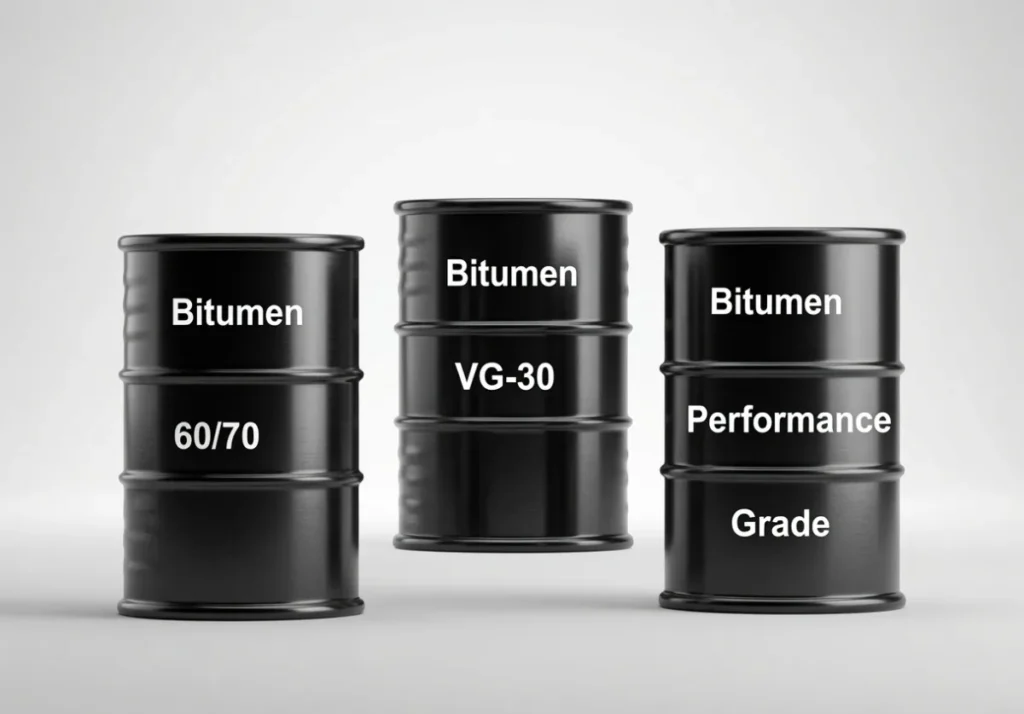
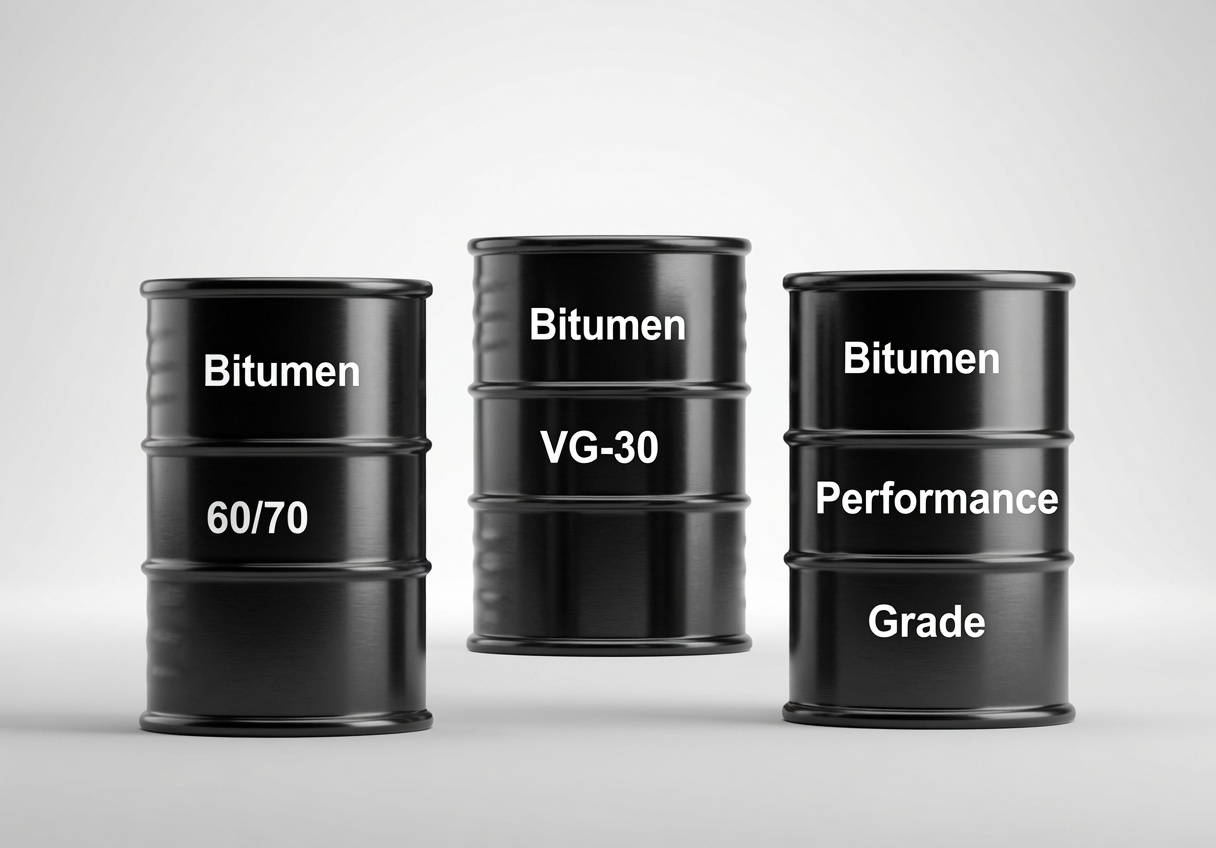
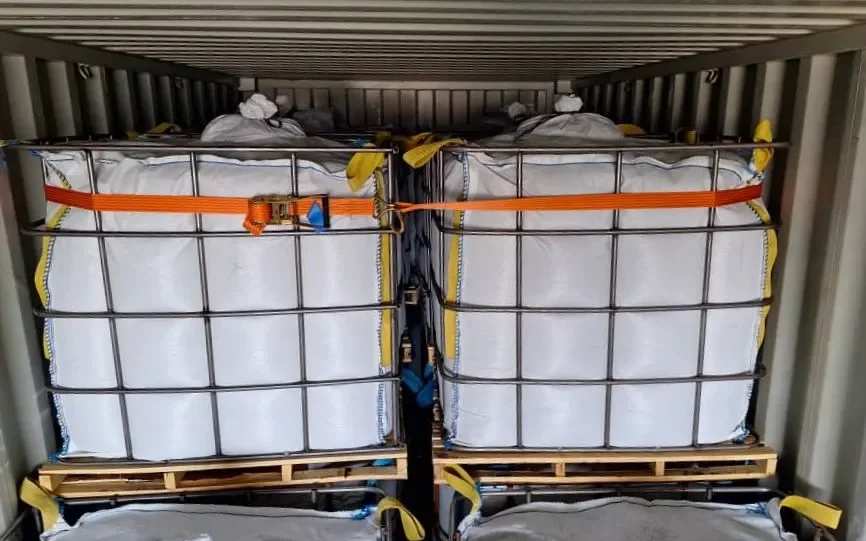
Whatever the bitumen project in Burkina Faso, E-Station supports construction companies and project owners with bitumen supply across the African continent, from grade selection through to port logistics.
Contact our teams to secure your volumes.
On the same topic: