Sustainable aviation fuel (SAF) is emerging as the main lever for decarbonizing air transport. Investments, regulation, opportunities: what you need to know.
What is sustainable aviation fuel (SAF)?
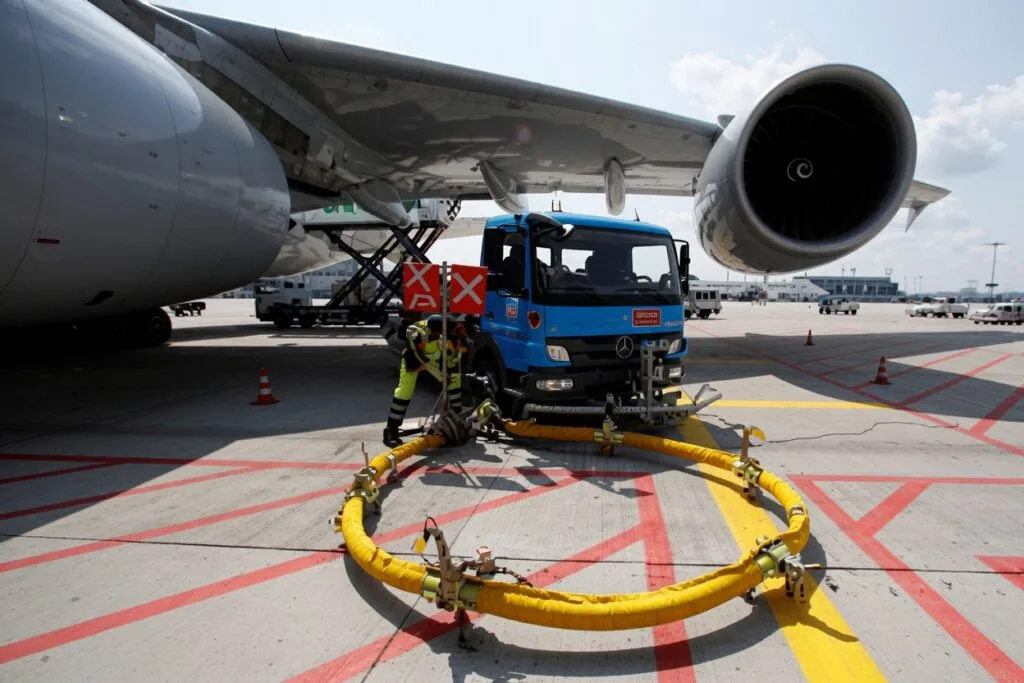
SAF (Sustainable Aviation Fuel) refers to aviation fuels produced from renewable resources or waste: used oils, biomass, agricultural residues, and even captured CO2. Chemically compatible with existing engines and infrastructure, it can significantly reduce greenhouse gas emissions across its entire life cycle.
Faced with regulatory pressure and air transport decarbonization targets, SAF is becoming an essential solution for airlines and airports.
Accelerating industrial investments
Around the world, energy players are investing in bio-jet fuel and renewable diesel production units. These projects reflect a conviction: demand for sustainable fuels will structurally increase in the coming years.
- Ramp-up of SAF blending mandates.
- Development of local biomass and waste supply chains.
- Growing investor interest in low-carbon assets.
What's at stake for fuel buyers?
Anticipate regulatory obligations
SAF blending rates are rising progressively. Getting organized now avoids supply disruptions and future extra costs.
Combine SAF and environmental certificates
Showcasing decarbonization efforts also relies on certificate mechanisms. A partner skilled in both fuel trading and environmental certificates provides a comprehensive view.
A supply that is still scarce and expensive
The main challenge is not the technology, which is now proven, but availability. Volumes produced remain low compared with expected demand, and prices are well above fossil kerosene. For airlines and fleet managers, securing access to this sustainable fuel, at a controlled cost and over several years, is becoming as much a strategic issue as an environmental one. Contracting early with reliable producers offers a head start in a market that remains tight.
Key takeaway: SAF is no longer a niche option but a pillar of aviation decarbonization. Those who anticipate gain a head start.
Anticipate the transition to SAF
E-Station supports aviation players with aviation fuel and the associated environmental certificates.
Talk to an expertSustainable aviation fuel: a market driven by regulation
The sustainable aviation fuel (SAF) is driven by a demanding regulatory framework: the European ReFuelEU Aviation regulation imposes rising blending rates, from 2% in 2025 to 70% in 2050. This trajectory creates massive structural demand, while supply remains limited and prices high. For airlines and fleet managers, securing a SAF supply is becoming a major strategic and budgetary challenge. Developments in this market are tracked by reference sources such as Reuters and quotations from Platts.
Produced from used oils, waste or biomass, sustainable fuel cuts CO2 emissions by up to 80% over its life cycle. But its availability depends heavily on production chains and feedstocks. Anticipating your needs and contracting early helps avoid market tensions and keep your blending cost under control.
Secure your sustainable fuel with E-Station
E-Station supports air transport and mobility players in securing their supply of sustainable fuel. We help you structure your contracts, anticipate your volumes and meet your blending obligations.
Do you need to secure your SAF supply? Contact our teams for a quote tailored to your needs.
Frequently asked questions about sustainable aviation fuel (SAF)
What is sustainable aviation fuel (SAF)?
SAF (Sustainable Aviation Fuel) refers to aviation fuels produced from renewable resources or waste: used oils, biomass, agricultural residues, and even captured CO2.
Does SAF require modifications to aircraft or infrastructure?
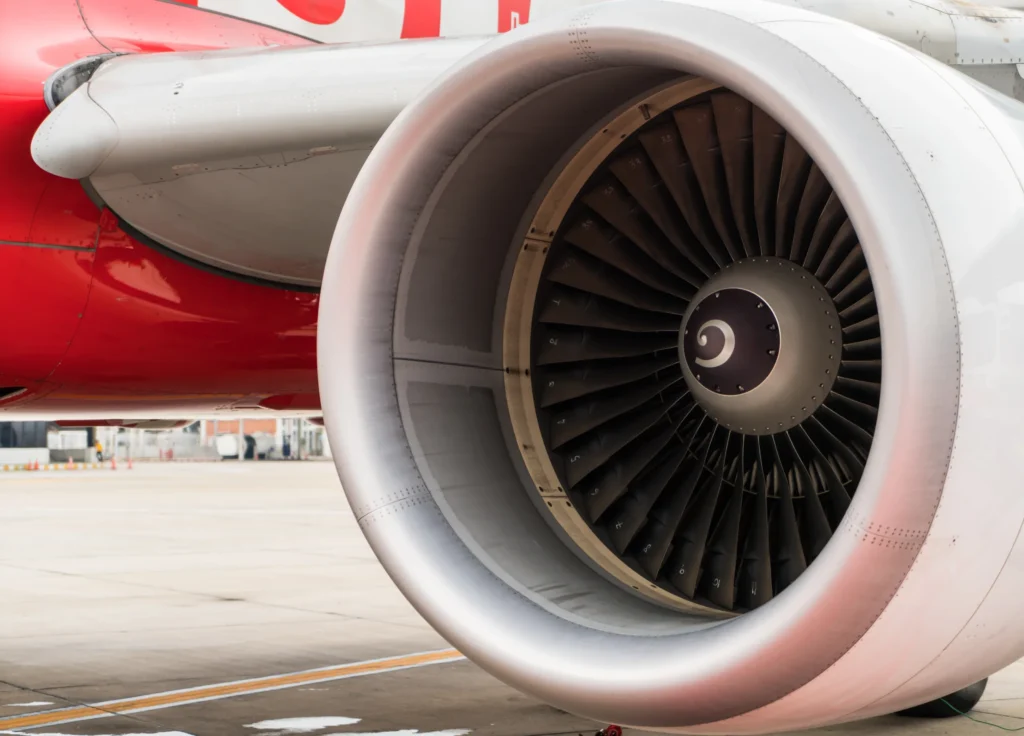
No, it is chemically compatible with existing engines and infrastructure, which facilitates its adoption by airlines.
What is the environmental impact of SAF?
It can significantly reduce greenhouse gas emissions across its entire life cycle, compared with conventional fossil kerosene.
Why is SAF becoming essential for the aviation sector?
Faced with regulatory pressure and air transport decarbonization targets, it is the most mature solution for reducing the carbon footprint of airlines and airports.
Are investments in SAF growing?
Yes, all around the world, energy players are investing massively to develop sustainable aviation fuel production capacity.