
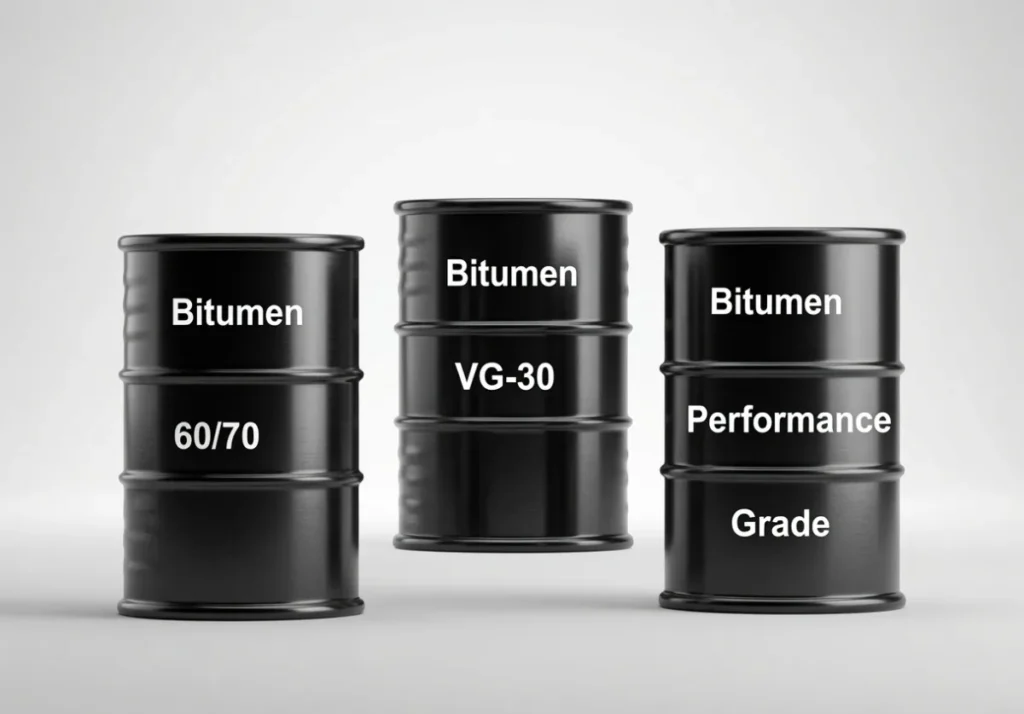
The price of bitumen has doubled within a few months in several regions, threatening road construction and maintenance. From India to South Asia, jobsites are feeling the strain. A breakdown of a surge that concerns every buyer of road binders.
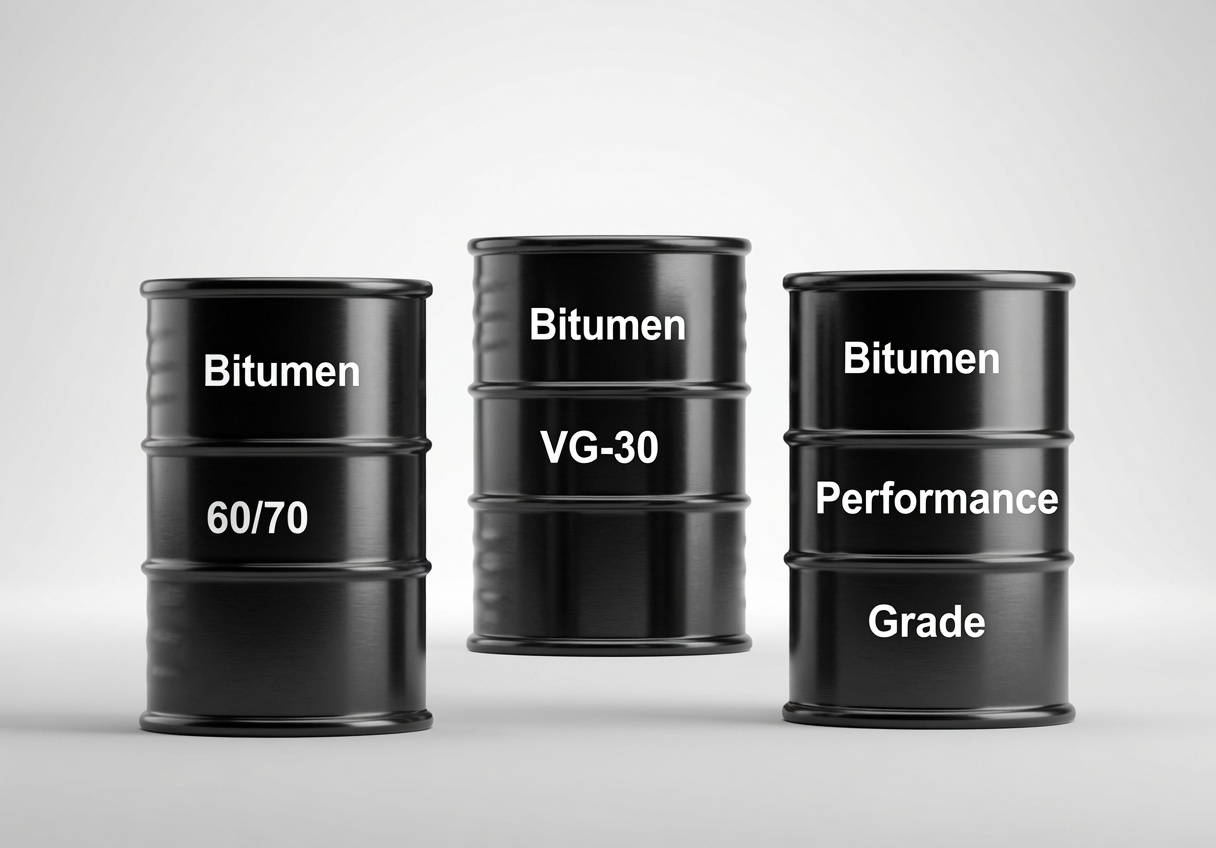
Having doubled, the price per tonne of bitumen is straining project owners' budgets. Behind this dramatic increase lie structural tensions in the global supply of petroleum binders.
A price surge that stalls jobsites
In some regions, the price per tonne of bitumen has doubled within a few months. As a result, many road projects are delayed or even suspended, unable to absorb the additional cost. Public-works contractors, caught in a vice, are struggling to honour their contracts.
The causes of the increase
Several factors are combining to explain this price surge:
- the rise in crude oil prices, the raw material for bitumen;
- geopolitical tensions disrupting supply routes;
- demand sustained by major infrastructure programmes;
- refining capacity under pressure.
How to protect your budgets
Faced with this volatility, bitumen buyers have every interest in diversifying their sources and securing their volumes in advance. Placing orders ahead of time and working with a supplier able to guarantee availability becomes a decisive advantage.
Key takeaway: the price of bitumen has doubled in several regions, delaying road projects. Rising crude, logistical strains and strong demand are the causes. Diversifying your sources is essential.
Secure your bitumen supply
Do not let the price surge stall your jobsites. E-Station supports public-works professionals with their bitumen supply, offering reliable and competitive solutions. Contact our experts to secure your volumes.
Bitumen price: understanding what drives the bill up
The price of bitumen depends closely on that of crude oil, of which it is a refining residue, but also on market-specific factors: reduced heavy refining capacity, competition from winter fuel oil demand, transport costs and geopolitical tensions. When these factors combine, the bill can double within a few months, putting pressure on road project budgets. To track these movements, the Platts and Argus quotations, supplemented by analysis from Reuters, serve as a reference for buyers.
Faced with this volatility, public works companies have several levers available: contracting firm volumes at a fixed price to protect against a price spike, indexing part of their purchases to benefit from downturns, and diversifying supply sources to secure availability of the right grades (35/50, 50/70, 70/100).
Take control of your bitumen price with E-Station
E-Station supports project owners and asphalt mix companies in securing their bitumen supply. Through an international network of refineries and terminals, we guarantee firm volumes, compliant specifications and well-managed logistics, while optimising your delivered cost on site.
Want to lock in your bitumen price before the next increase? Contact our trading team for a firm quote.
For project owners, the rise in bitumen prices isn't just a line item in the budget: it disrupts schedules, upends the balance of contracts already signed, and brings some projects to a halt. Anticipation remains the best defense. By securing volumes ahead of time and timing purchases to market lows, buyers limit their exposure to these shocks rather than suffering them at the worst possible moment.
Frequently asked questions about the bitumen price surge
How much has the price of bitumen risen recently?
In some regions, particularly India and South Asia, the price per tonne of bitumen has doubled in just a few months.
What impact is this increase having on road construction projects?
Many road projects are being delayed or even suspended, as public works companies struggle to absorb the extra cost and fulfil their contracts.
Why has the price of bitumen risen so sharply?
Several factors are combining, particularly structural strains on the global supply of petroleum-based binders, which directly weigh on production costs.
Is this price surge limited to a single region?
No, it affects several areas, from India to South Asia, reflecting a broader imbalance in the global bitumen market.
How can project owners protect themselves against this volatility?
By relying on a broker capable of anticipating supply tensions, it becomes possible to secure bitumen volumes before prices climb even further.
Aucun commentaire pour l'instant!