
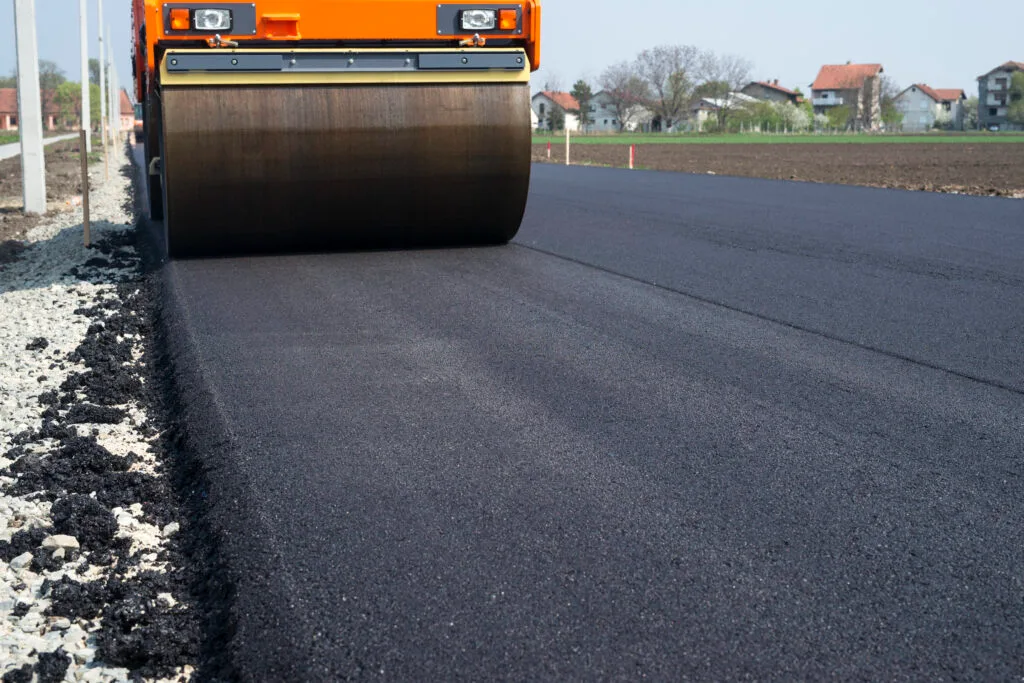
Soaring prices, supply disruptions, jobsites at a standstill: the bitumen shortage triggered by the Middle East conflict is now hitting major road projects, from Nepal to South Asia. A breakdown for buyers and public-works contractors.
A material now impossible to find, even at a premium
The sharp rise in bitumen and petroleum product prices, driven by tensions in the Middle East, is disrupting road construction across several continents. Contractors report an unprecedented situation: bitumen is becoming hard to obtain, even when they are willing to pay more. As a result, asphalt-paving works are being suspended and several strategic routes are falling behind schedule.
Bitumen, the heavy residue from crude oil refining, acts as the binder in asphalt. Its availability depends directly on refinery activity and shipping flows. When those flows tighten, the jobsites at the end of the chain are the first to suffer.
Why road projects grind to a halt
Several factors are combining to stall projects:
- A price surge that makes fixed-price public contracts hard to honour for contractors.
- Physical supply disruptions linked to the reorganisation of trade routes.
- Short weather windows: in many regions the laying season is limited, and every week lost jeopardises the annual schedule.
- Tenders that go unanswered for lack of visibility on costs.
How to secure your bitumen supply
Working with a specialised trader
An intermediary with a network of refiners and logistics capacity can smooth out disruptions and optimise the cost per tonne. This is precisely the role a partner like E-Station plays for road contractors.
Anticipate and diversify sourcing
Broadening sourcing across several origins reduces dependence on a single supplier and secures volumes during periods of strain. Anticipation becomes a decisive competitive advantage.
Key takeaway: in a market in shortage, it is no longer price alone that matters, but the ability to obtain the material at the right time. Securing volumes protects your schedules and your margins.
Secure your bitumen supply
E-Station supports road and industrial companies in the purchase and supply of bitumen, with reliable and competitive sourcing, even during periods of market strain.
Bitumen shortage: understanding market signals
To anticipate a bitumen shortage, buyers who want to stay ahead continuously monitor several market indicators: the spread between the price of heavy crude and that of road bitumen, refinery stock levels, and quotations published by leading oil-trading benchmark agencies. The benchmarks Platts and Argus are the leading authorities on refined-product price formation, while dispatches from Reuters make it possible to track in real time the logistical disruptions in the Strait of Hormuz and the Gulf shipping routes.
On an operational level, a bitumen shortage results in longer loading times, fewer cargoes available for export, and a scarcity premium (backwardation) on near-term deliveries. Project owners and asphalt-mix producers must then choose between postponing works, indexing public contracts, or securing a firm volume with a trader capable of mobilising diversified sources of supply.
Securing your volumes despite the bitumen shortage
Faced with a tight market, the best protection remains a solid supply partner. As a trader in bitumen and petroleum products, E-Station mobilises an international network of refineries and terminals to guarantee its clients firm volumes, compliant specifications (grades 35/50, 50/70, 70/100) and logistics under full control right through to the jobsite. We support road-works companies and industrial firms in negotiating fixed-price or indexed contracts, tailored to their risk exposure.
Are you anticipating pressure on your supplies? Contact our trading team to get a firm quote and secure your bitumen volumes today.
Frequently asked questions about the bitumen shortage linked to the Middle East conflict
Why is bitumen becoming impossible to find, even at high prices?
Tensions in the Middle East are disrupting refining activity and the shipping flows that bitumen availability directly depends on, so much so that even buyers willing to pay more are struggling to secure supply.
Which regions are hardest hit by this shortage?
Several continents are affected, with major road projects impacted from Nepal to South Asia.
What are the concrete consequences for road construction projects?
Paving works are being suspended and several strategic routes are falling behind schedule due to the lack of available material.
What is bitumen and why does it depend on oil refining?
Bitumen is a heavy residue from crude oil refining, used as a binder in asphalt; its availability therefore tracks refinery activity directly.
How can public works companies cope with this shortage?
By relying on a broker capable of diversifying supply sources and anticipating disruptions, it becomes possible to secure bitumen volumes despite the shortage.
Aucun commentaire pour l'instant!