Biogas: Maera, Montpellier's example of local energy at the heart of energy independence

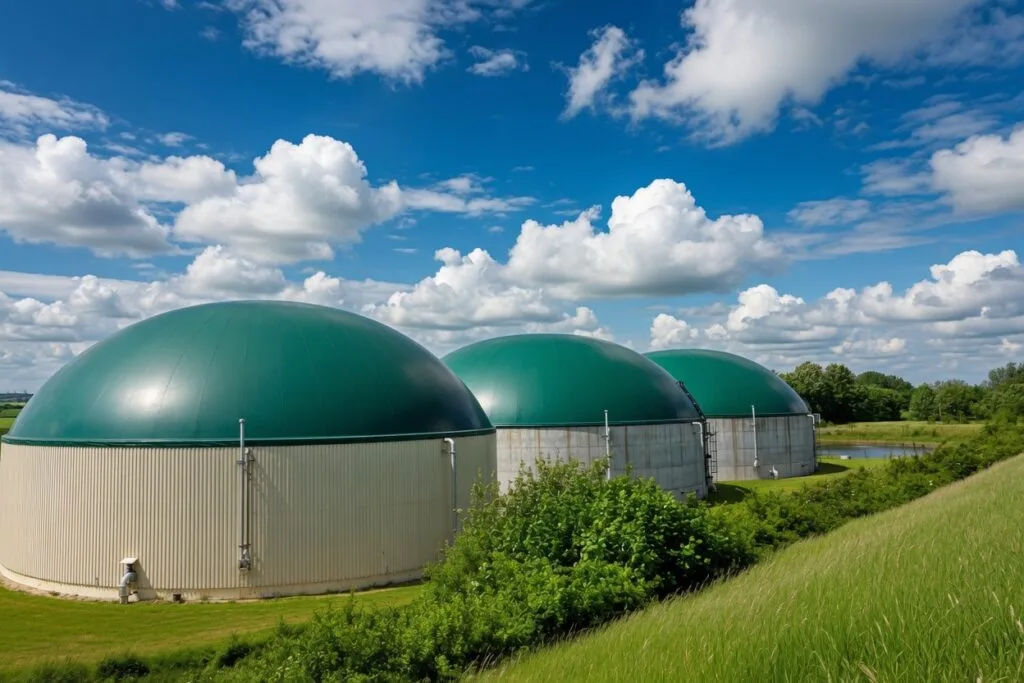
Unité de production de biogaz et biométhane entourée de végétation
Biogaz Maera : unité de production de biogaz et biométhane à Montpellier

Le blocage du détroit d’Ormuz et ses répercussions sur le GNL qatari, conjugués à l’arrêt de l’approvisionnement en gaz russe depuis la guerre en Ukraine, ont placé l’indépendance énergétique au premier plan. Dans ce contexte, le biométhane produit localement s’impose comme un actif stratégique. La station Maera, à Montpellier, en offre une illustration concrète. Le biogaz Maera illustre parfaitement cette dynamique de production locale de gaz vert.

Biogaz Maera : une station d’épuration qui produit du gaz vert

Le biogaz Maera est produit directement sur le site d’épuration. L’unité de traitement des eaux usées Maera, située à Lattes et gérée par la Métropole de Montpellier, a officiellement mis en service son dispositif de production de gaz vert le 4 juin 2026. Grâce à un chantier de modernisation de 165 millions d’euros lancé en 2023, les eaux usées collectées permettent désormais de produire du biométhane, une énergie locale et renouvelable injectée dans le réseau de GRDF.

Once the works are complete, the plant will produce twice as much energy as it consumes. Each year it will supply the equivalent of 9,000 low-energy (BBC) homes with biogas, as well as 3,000 homes with hot water and heating. Production will ramp up gradually: around 20 GWh by 2028, close to 10% of the gas consumed across the metropolitan area, then 32 GWh in 2029. On a broader scale, Montpellier Métropole plans to connect 45,000 households to its urban heating networks by 2030.

Key takeaway: Maera shows how existing public infrastructure can become a producer of local renewable energy — a model of direct interest to local authorities committed to biogas valorisation.

How biomethane is monetised in France

The production cost of biomethane remains on average higher than the market price of natural gas. To make a facility profitable, project developers have several monetisation mechanisms available, which currently coexist but cannot be combined on the same facility.

The state-backed feed-in tariff

Introduced in 2011, the feed-in tariff guarantees facilities producing less than 25 GWh per year a fixed remuneration over 15 years for each megawatt-hour injected (open window). Above 25 GWh per year, projects fall under the tenders organised by the French Energy Regulatory Commission (CRE), introduced in 2024 in line with the 2018 programming law, with a ceiling tariff set by the tender specifications.

Over-the-counter contracts (BPAs)

Biomethane Purchase Agreements (BPAs) are contracts negotiated directly between a producer and a consumer, often an industrial company wishing to green its gas consumption over the long term at a smoothed price. They can be direct or go through an intermediary supplier.

Biogas production certificates (CPBs)

Le cadre réglementaire des certificats de production de biogaz est défini par les pouvoirs publics ; voir le portail de l’ADEME pour les modalités officielles.

Established by the 2021 Climate and Resilience Act and specified by the decree of 6 July 2024, the biogas production certificates reverse the funding logic: it is now the gas suppliers themselves who finance the sector, by surrendering to the State each year a volume of certificates proportional to their sales. The stated objective is to reach 10% biomethane in the networks by 2030.

The obligation trajectory ramps up quickly: from 0.41% of the volume sold in 2026 to 4.15% in 2028, for an estimated cumulative total of 10.4 TWh. In the event of a shortfall, Article L. 446-46 of the Energy Code provides for a penalty of 100 euros per missing MWh, calibrated to stay above the expected market price of a certificate so as to discourage suppliers from preferring the fine to purchasing.

Guarantees of origin (GOs)

Distinct from CPBs, guarantees of origin trace the renewable origin of the gas for the end consumer: an electronic certificate is issued for each MWh of biomethane injected (Article L. 446-18 of the Energy Code). Since 1 October 2023, their registry has been managed by the company EEX. A notable point for a case like Maera: Article L. 446-22 allows a municipality, a grouping of municipalities or a metropolitan authority hosting a facility to receive, free of charge, all or part of these guarantees to certify the local origin of its own consumption — without being able to resell them.

A cost now spread across all consumers

Le modèle économique du biogaz Maera repose sur ce partage. Le prix d’un CPB se forme librement, à l’équilibre entre le coût complet de production du biométhane et la valeur de marché du gaz. Sur la base des coûts constatés en 2024-2025, la CRE estime ce prix d’équilibre autour de 80 €/MWh PCS en 2026, avec une baisse attendue à mesure que la filière gagne en maturité.

Passed on to bills, this mechanism has a concrete effect: for a gas-heated household consuming around 12 MWh per year, the CRE estimates the additional annual cost at close to 8 euros in 2026, then around 79 euros in 2028. Unlike guarantees of origin, which concern only voluntary green offers, CPBs weigh uniformly on all gas offers. Financing biomethane thus becomes the concern of all consumers.

Biomethane, a sovereignty asset

À l’image du biogaz Maera, la production locale renforce l’autonomie énergétique du territoire. Au-delà de sa dimension environnementale, le biométhane local présente un atout stratégique : sa chaîne de valeur — génie civil, technologies d’épuration, matière première — est intégrée sur le territoire, alors que le pays cherche à réduire sa dépendance aux importations de gaz. Le cas Maera illustre comment une infrastructure publique existante peut contribuer, à son échelle, à cet objectif d’indépendance énergétique. Cette dynamique rejoint la structuration plus large du European biomethane market for businesses.

Monetise your biogas certificates with E-Station

Comme le montre le cas du biogaz Maera, chaque unité de méthanisation peut valoriser sa production ; E-Station vous accompagne pour transformer ce biogaz Maera en revenus concrets.

Producer, supplier or industrial company: E-Station supports you in the valorisation and trading of your biogas production certificates.

Discover our solutions
Biomethane fuel: bioGNV for decarbonized heavy mobility

Biométhane carburant bioGNV pour mobilité lourde - approvisionnement E-Station courtier en énergies
Le biométhane carburant (bioGNV) au service de la mobilité lourde décarbonée

A renewable fuel made from waste, biomethane is establishing itself in heavy mobility. BioGNV and dual-fuel engines: a tangible lever for decarbonizing fleets.

Biomethane, the fuel of sustainable mobility

Beyond injection into the grid, biomethane is asserting itself as a high-performance transport fuel. In the form of bioGNV (renewable-origin natural gas for vehicles), it already powers fleets of heavy trucks, buses and vans, with a very favorable carbon footprint.

Dual-fuel engines, able to combine several energy sources, further broaden the range of options for carriers.

Why fleets are adopting bioGNV

  • A significant reduction in CO2 emissions compared with diesel.
  • Range and logistics compatible with professional uses.
  • Lower noise and air pollution in urban areas.
  • Energy produced locally from waste.

What's at stake for transport companies?

Greening your fleet without sacrificing performance

BioGNV makes it possible to decarbonize heavy transport, where electrification remains complex. It is a mature and available solution.

Showcase the renewable origin

The biogas certificates guarantee and certify the renewable nature of the fuel used.

A fuel finding its market

This fuel is no longer just a laboratory promise: the network of bioGNV stations is growing denser and manufacturers now offer certified road tractors. For a carrier, the equation becomes clear, a competitive cost per kilometre, a documented reduction in carbon footprint and an image consistent with shippers' expectations. What remains is to secure supply over the long term, an essential condition for making the investment in a dedicated fleet profitable.

Securing the biomethane supply

The main obstacle to the development of this fuel remains visibility over available volumes. A fleet only makes sense if the carrier has a supply guarantee compatible with its routes. This is where structured support makes the difference: securing supply contracts, combining local renewable gas production with grid injection, and anticipating the evolution of the traceability certificates that add value to the renewable nature of this gas.

For transport companies, bioGNV thus represents a dual lever: concretely reducing their emissions while stabilizing part of their energy budget in the face of fossil fuel volatility, provided it is treated as a project in its own right, driven from the outset, rather than a simple choice of engine. This is the comprehensive approach we favor for every biomethane project.

Key takeaway: biomethane fuel offers carriers a concrete path to decarbonization, complementary to electric, with genuine traceability.

Decarbonize your fleet with biomethane

E-Station supports carriers in monetizing biomethane and the associated biogas certificates.

Discover our solutions
Biomethane fuel: a mature solution for heavy mobility

The biomethane converted into bioGNV (renewable-origin natural gas for vehicles) is emerging as a credible alternative to diesel for heavy trucks, buses and refuse trucks. The upside: a massive reduction in CO2 emissions across the whole cycle, near-zero particulates and a competitive cost per kilometre. Driven by the development of refuelling stations and by a favourable regulatory framework, this market is structuring rapidly in Europe. Developments in these energy sectors are tracked by reference sources such as Reuters.

For carriers and fleet managers, switching to biomethane means securing a reliable supply and traceable guarantees of origin. For producers, the challenge is to find the right outlets and get the best value from their output. In both cases, a specialised partner brings decisive expertise.

Structure your biomethane project with E-Station

E-Station supports producers, carriers and industrial players in monetising and sourcing biomethane and bioGNV. We secure your outlets, structure your contracts and help you get the best value from your guarantees of origin.

Do you produce or consume biomethane? Contact our teams to structure your project.

Frequently asked questions about biomethane fuel and bioGNV

What is bioGNV?

It is renewable-origin natural gas for vehicles, produced from biomethane, a fuel made from waste that already powers fleets of heavy trucks, buses and vans.

Why are transport fleets adopting bioGNV?

It allows a significant reduction in CO2 emissions compared with diesel, a range compatible with professional uses, and less noise and air pollution in urban areas.

What is a dual-fuel engine?

It is an engine capable of combining several energy sources, which broadens the range of possible uses of bioGNV for carriers.

Is biomethane only used as a fuel?

No, beyond its use as a mobility fuel, it can also be injected into existing gas networks.

Is bioGNV suited to heavy mobility?

Yes, it stands out precisely as a concrete decarbonization lever for fleets of heavy trucks and buses, segments where electric alternatives remain limited.

From biogas to hydrogen: the technology that monetizes renewable gas and stores carbon

Du biogaz à l’hydrogène vert - garanties d’origine et négoce E-Station courtier en énergies
Valoriser le biogaz en hydrogène et stocker le carbone

Converting biogas into renewable hydrogen while storing carbon: European projects are validating this forward-looking technology. A breakdown for industrial players.

From biogas to hydrogen: a new monetization path

Beyond injection into the grid, biogas opens up promising prospects: its conversion into renewable hydrogen. European projects are now validating technologies capable of transforming biogas into hydrogen while producing solid carbon, thereby contributing to carbon storage.

This approach illustrates the growing convergence between the renewable gas, hydrogen and carbon capture sectors.

Why this innovation matters

  • It broadens biogas outlets beyond heating and mobility.
  • It produces low-carbon hydrogen from a local and renewable resource.
  • The co-produced solid carbon can be stored durably or used industrially.
  • It strengthens the resilience of biogas-producing regions.

What outlets for companies?

Secure truly renewable hydrogen

For industrial hydrogen consumers, having reliable guarantees of origin becomes essential. The guarantees of origin for green hydrogen make it possible to prove the renewable nature of the energy consumed.

Anticipate carbon markets

The production of storable solid carbon is part of the momentum of the fast-growing carbon capture and storage markets.

A sector reaching greater maturity

The conversion of renewable gas into hydrogen long existed only at demonstrator scale. These processes are now moving toward industrial scale, driven by favorable public policies and growing demand for decarbonized hydrogen in industry and heavy mobility. Coupling with carbon capture strengthens the appeal of the model: instead of simply avoiding emissions, it becomes possible to remove them, paving the way for genuinely negative footprints.

For a producer or industrial player, the challenge lies in assessing very early the best monetization pathway based on their resource, location and accessible outlets. Injecting into the grid, generating electricity, powering a fleet or targeting hydrogen: each option has its own economic rationale. Support from the feasibility study stage onward makes it possible to decide on solid grounds rather than locking in a choice too early.

Key takeaway: converting biogas into hydrogen and solid carbon opens new strategic outlets for industrial players committed to decarbonization.

Secure your renewable hydrogen

E-Station supports industrial players with guarantees of origin and certificates related to hydrogen and biogas.

Discover our hydrogen solutions

Biogas: a strategic resource for industrial decarbonization

The biogas from anaerobic digestion opens up multiple outlets: injection of biomethane into the grid, bioGNV fuel, and now the production of low-carbon hydrogen coupled with carbon capture. This cascading monetization strengthens the economic appeal of digestion units and aligns with European carbon-neutrality goals. For industrial players and producers, understanding these sectors is essential to optimise the value of their resource. News on these energy markets is tracked by reference sources such as Reuters.

The profitability of a biogas project depends as much on the technology chosen as on the monetization of the products and co-products: energy, guarantees of origin, carbon credits. Surrounding yourself with a partner able to structure these flows and secure commercial outlets often makes the difference between a viable project and one on a fragile footing.

Monetise your biogas with E-Station

E-Station supports producers and industrial players in monetising biogas and its derivatives: biomethane, bioGNV, guarantees of origin. We help you secure your outlets and optimise the value of your output in a market that is still taking shape.

Do you produce or plan to produce biogas? Contact our teams to get the best value from your output.

Frequently asked questions about converting biogas into hydrogen

How can biogas be converted into hydrogen?

European projects are validating technologies capable of transforming biogas into renewable hydrogen while producing solid carbon, thereby contributing to carbon storage.

What is the benefit of producing hydrogen from biogas?

It makes it possible to produce low-carbon hydrogen from a local and renewable resource, while broadening biogas outlets beyond heating and mobility.

What happens to the carbon during this conversion?

The process produces solid carbon, which contributes to carbon storage rather than its release into the atmosphere.

Has this technology already been validated at industrial scale?

European projects are now validating this technology, illustrating the growing convergence between the renewable gas, hydrogen and carbon capture sectors.

Who is affected by this innovation?

Industrial players looking to monetize renewable gas or secure a supply of low-carbon hydrogen are directly affected by this emerging technology.

Biomethane 2026: a European market taking shape for companies

Biométhane et certificats - marché européen, achat et négoce E-Station courtier en énergies
Le marché européen du biométhane se structure en 2026

The biomethane market is taking shape across Europe with the arrival of dedicated marketplaces. An overview of a key sector of the energy transition.

Biogas and biomethane: what's the difference?

Biogas is produced through the anaerobic digestion of organic matter (agricultural waste, sludge, biowaste). Once purified, it becomes biomethane, whose characteristics are equivalent to those of natural gas. Biomethane can then be injected into the grid, used as a fuel or monetized through certificates.

This sector is at the heart of the energy transition: it turns waste into renewable, local energy while reducing emissions.

A European market taking shape

The biomethane sector continues to grow and is structuring rapidly at the European level. The creation of dedicated marketplaces aims to streamline trading and give visibility to producers and buyers alike.

  • Steady growth in biomethane injection capacity.
  • Emergence of European market platforms.
  • Increased demand for transparency and traceability.
  • Calls from the sector for swift and stable public decisions.

Why companies are interested

Decarbonize your gas consumption

For an industrial company, incorporating biomethane helps reduce the carbon footprint of its processes without changing its equipment.

Monetize through certificates

The biomethane certificates and biogas certificates make it possible to trace and showcase the renewable origin of the energy consumed.

What market structuring concretely changes

Until now, trading largely relied on over-the-counter agreements that were hard to read and difficult to compare. The emergence of dedicated marketplaces brings price references, better liquidity and common traceability rules. For a company, this means more transparent contracts and a greater ability to secure its volumes over the long term. This newfound maturity brings the sector closer to how conventional energy markets operate, while retaining its low-carbon dimension. Anticipating this evolution, rather than undergoing it, remains the best way to benefit from it.

This dynamic concerns players of all sizes. A single industrial site, just like a multi-site group, can benefit from it, provided the strategy is adapted to its volumes and decarbonization objectives. The right approach is to frame the project with a partner who masters the contractual, regulatory and logistical aspects, in order to avoid decisions made under pressure.

Key takeaway: biomethane combines local energy, reduced emissions and value creation through certificates. An asset for companies committed to the transition.

Monetize your renewable energy

E-Station supports companies in purchasing biomethane and monetizing it through biogas and biomethane certificates.

Discover our biomethane solutions

Biomethane market 2026: opportunities for companies

In 2026, the European market for biomethane is structuring under the combined effect of REPowerEU targets, national support mechanisms and growing corporate demand for low-carbon energy. For industrial players, this renewable gas is both a decarbonization lever (through guarantees of origin) and a hedge against fossil-gas volatility. Understanding the price and volume dynamics is therefore essential. News on these energy markets is tracked by reference sources such as Reuters.

For a company, securing biomethane and its guarantees of origin means anticipating its needs, contracting firm volumes and showcasing its decarbonization commitment to its clients and stakeholders. A specialised partner helps structure these operations and optimise their value.

Source your biomethane with E-Station

E-Station supports companies and industrial players in sourcing biomethane and monetising guarantees of origin. We structure your contracts, secure your volumes and help you meet your decarbonization goals.

Do you want to incorporate biomethane into your energy mix? Contact our teams for a tailored offer.

Frequently asked questions about the European biomethane market

What is the difference between biogas and biomethane?

Biogas is produced through the anaerobic digestion of organic matter; once purified, it becomes biomethane, a green gas whose characteristics are equivalent to those of natural gas.

How can biomethane be monetized?

It can be injected into gas networks, used as a fuel, or monetized through renewable origin certificates.

Why is it said that the biomethane market is structuring in Europe?

The creation of dedicated marketplaces at the European level aims to streamline trading and give more visibility to industry players.

How does biomethane contribute to the energy transition?

It turns organic waste into renewable, local energy while reducing emissions compared with fossil fuels.

How can a company source biomethane or monetize its certificates?

A specialized broker can help secure biomethane supplies or optimize the monetization of certificates on this rapidly structuring European market.

Sustainable aviation fuel (SAF): decarbonization of air transport is accelerating

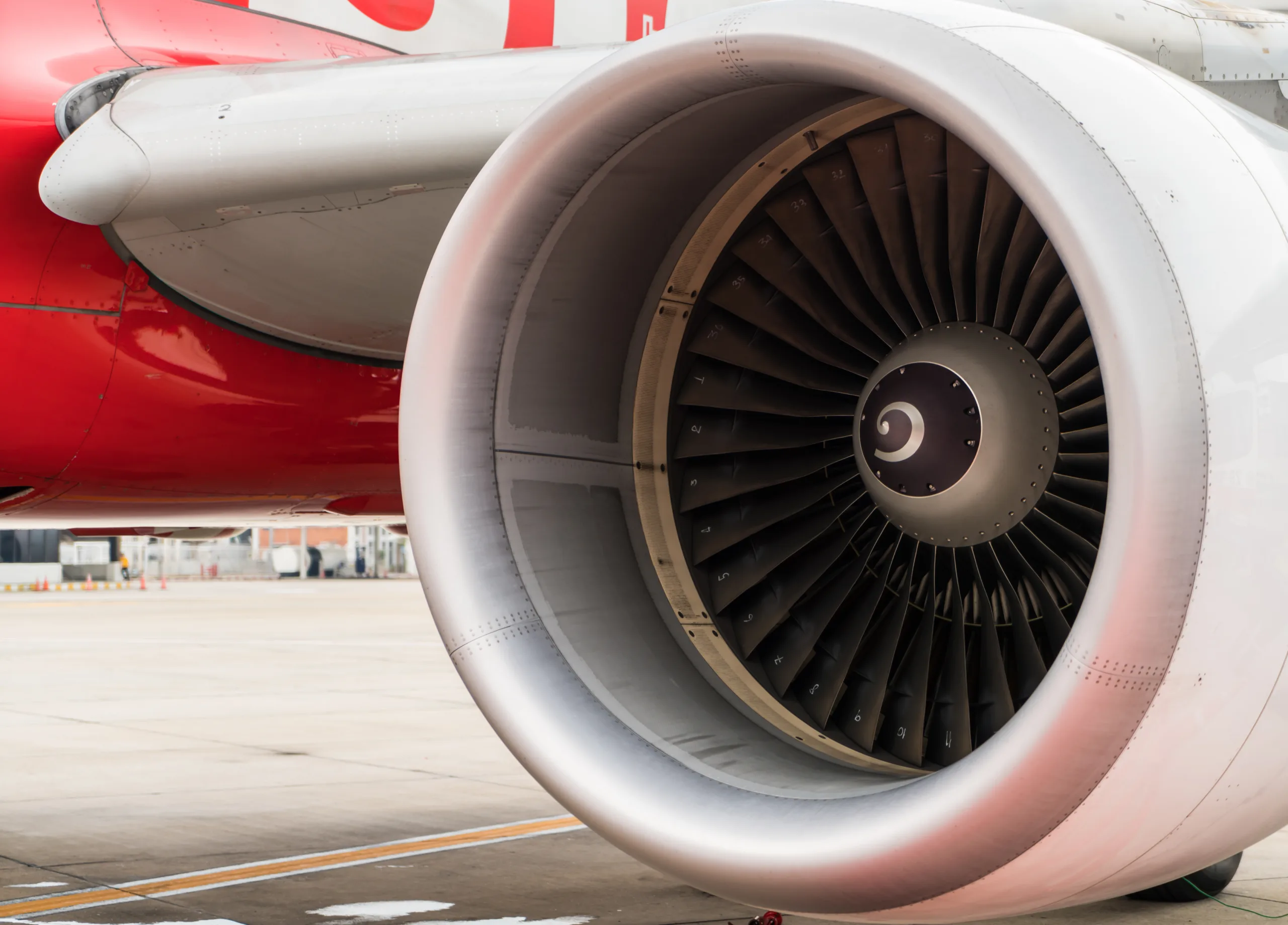
Acheter du carburant durable d’aviation (SAF) - approvisionnement E-Station courtier en énergies
Le carburant durable d'aviation (SAF) accélère la décarbonation du transport aérien

Sustainable aviation fuel (SAF) is emerging as the main lever for decarbonizing air transport. Investments, regulation, opportunities: what you need to know.

What is sustainable aviation fuel (SAF)?

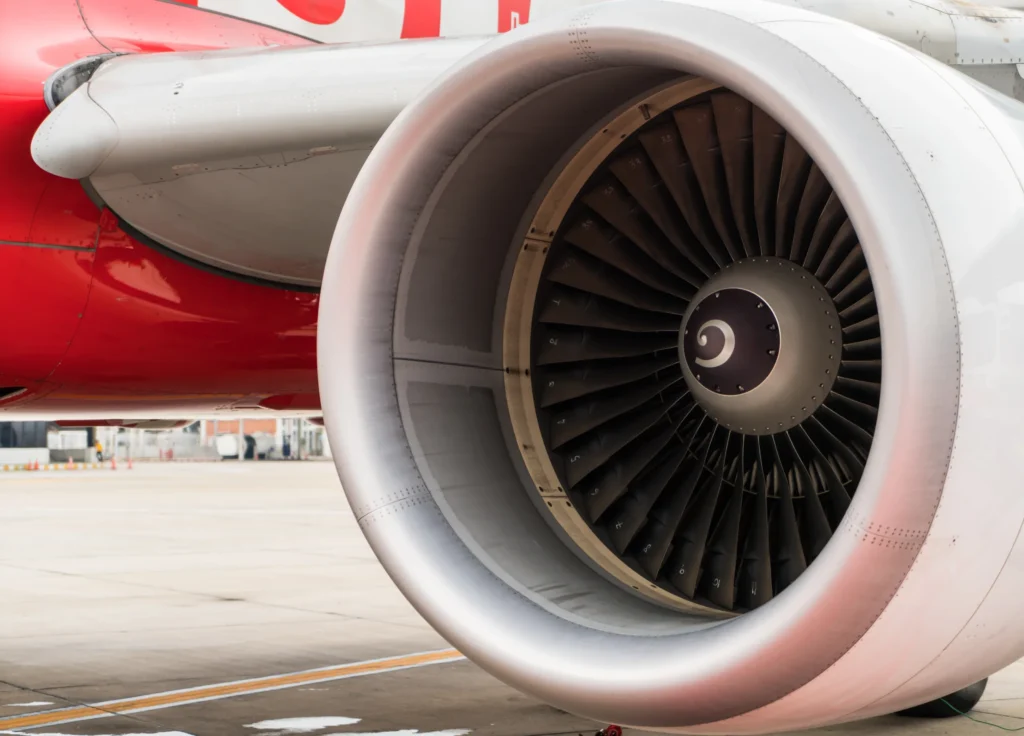
SAF (Sustainable Aviation Fuel) refers to aviation fuels produced from renewable resources or waste: used oils, biomass, agricultural residues, and even captured CO2. Chemically compatible with existing engines and infrastructure, it can significantly reduce greenhouse gas emissions across its entire life cycle.

Faced with regulatory pressure and air transport decarbonization targets, SAF is becoming an essential solution for airlines and airports.

Accelerating industrial investments

Around the world, energy players are investing in bio-jet fuel and renewable diesel production units. These projects reflect a conviction: demand for sustainable fuels will structurally increase in the coming years.

  • Ramp-up of SAF blending mandates.
  • Development of local biomass and waste supply chains.
  • Growing investor interest in low-carbon assets.

What's at stake for fuel buyers?

Anticipate regulatory obligations

SAF blending rates are rising progressively. Getting organized now avoids supply disruptions and future extra costs.

Combine SAF and environmental certificates

Showcasing decarbonization efforts also relies on certificate mechanisms. A partner skilled in both fuel trading and environmental certificates provides a comprehensive view.

A supply that is still scarce and expensive

The main challenge is not the technology, which is now proven, but availability. Volumes produced remain low compared with expected demand, and prices are well above fossil kerosene. For airlines and fleet managers, securing access to this sustainable fuel, at a controlled cost and over several years, is becoming as much a strategic issue as an environmental one. Contracting early with reliable producers offers a head start in a market that remains tight.

Key takeaway: SAF is no longer a niche option but a pillar of aviation decarbonization. Those who anticipate gain a head start.

Anticipate the transition to SAF

E-Station supports aviation players with aviation fuel and the associated environmental certificates.

Talk to an expert

Sustainable aviation fuel: a market driven by regulation

The sustainable aviation fuel (SAF) is driven by a demanding regulatory framework: the European ReFuelEU Aviation regulation imposes rising blending rates, from 2% in 2025 to 70% in 2050. This trajectory creates massive structural demand, while supply remains limited and prices high. For airlines and fleet managers, securing a SAF supply is becoming a major strategic and budgetary challenge. Developments in this market are tracked by reference sources such as Reuters and quotations from Platts.

Produced from used oils, waste or biomass, sustainable fuel cuts CO2 emissions by up to 80% over its life cycle. But its availability depends heavily on production chains and feedstocks. Anticipating your needs and contracting early helps avoid market tensions and keep your blending cost under control.

Secure your sustainable fuel with E-Station

E-Station supports air transport and mobility players in securing their supply of sustainable fuel. We help you structure your contracts, anticipate your volumes and meet your blending obligations.

Do you need to secure your SAF supply? Contact our teams for a quote tailored to your needs.

Frequently asked questions about sustainable aviation fuel (SAF)

What is sustainable aviation fuel (SAF)?

SAF (Sustainable Aviation Fuel) refers to aviation fuels produced from renewable resources or waste: used oils, biomass, agricultural residues, and even captured CO2.

Does SAF require modifications to aircraft or infrastructure?

No, it is chemically compatible with existing engines and infrastructure, which facilitates its adoption by airlines.

What is the environmental impact of SAF?

It can significantly reduce greenhouse gas emissions across its entire life cycle, compared with conventional fossil kerosene.

Why is SAF becoming essential for the aviation sector?

Faced with regulatory pressure and air transport decarbonization targets, it is the most mature solution for reducing the carbon footprint of airlines and airports.

Are investments in SAF growing?

Yes, all around the world, energy players are investing massively to develop sustainable aviation fuel production capacity.