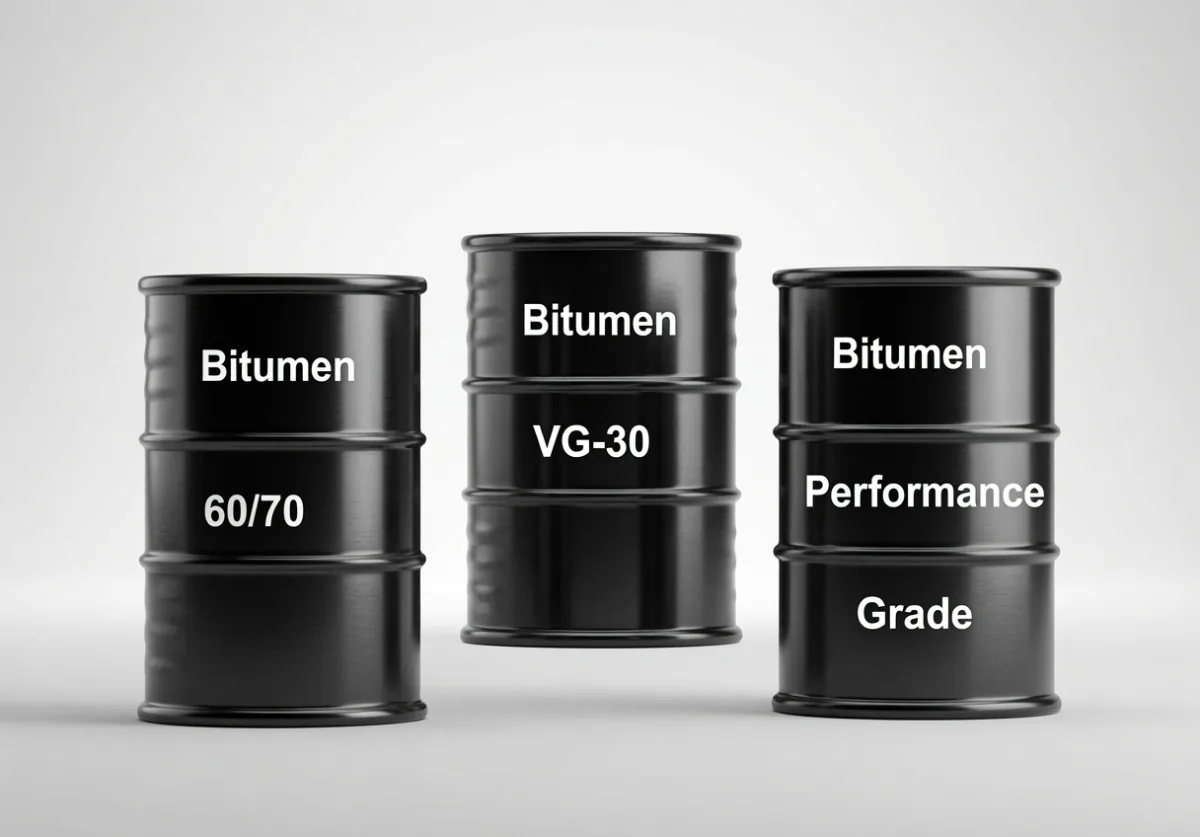
The global bitumen market enters the second half of 2026 in a state of complex imbalance. For infrastructure developers, procurement managers and logistics operators, the current landscape defies the usual logic of commodities: on one side, a wave of fleet renewal is launching larger and more efficient ships; on the other, chronic geopolitical disruption at key maritime chokepoints, first and foremost the Strait of Hormuz, continues to choke the supply of heavy crude, keeping refinery output restrained.
According to the mid-year analysis published by BRS Shipbrokers, the market is defined by a clear paradox: supply fundamentals are technically improving, but structural feedstock problems prevent output from jumping as it would have in the past. At the same time, infrastructure demand remains highly fragmented worldwide. For companies operating in this environment, understanding the bitumen market and the meeting point between refinery caution, regional weather hazards and tanker fleet expansion is essential to protect project margins. This context weighs directly on the price of bitumen.
Why refineries are limiting bitumen production
The root of the current supply tension does not lie in bitumen production units themselves, but much further upstream. The persistent disruptions to crude flows through the Strait of Hormuz have profoundly altered refiners’ behaviour in 2026.
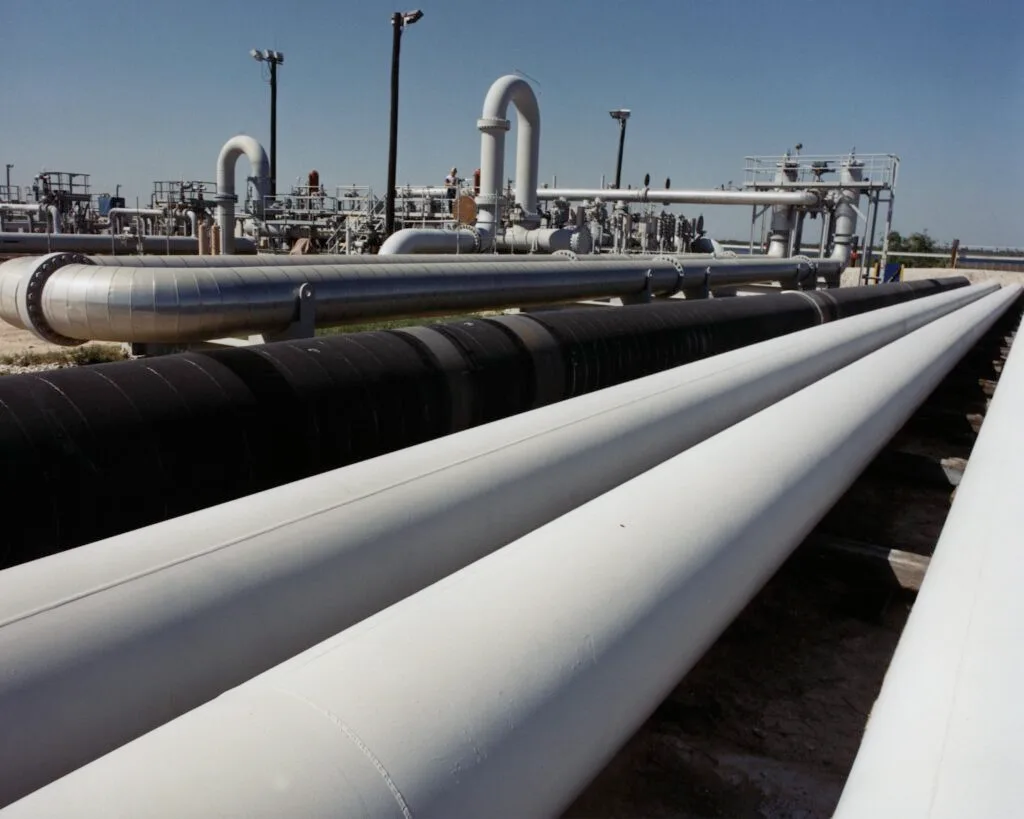
Bitumen production relies largely on vacuum residue from the refining of heavy, sour crudes. Because these specific grades face periodic and severe bottlenecks on leaving the Gulf, refiners operate with extreme caution. Rather than increasing throughput to meet seasonal construction demand, they prefer to keep stocks tight.
This upstream bottleneck explains why global bitumen production has not seen its usual summer peak. Supply disruptions sustained high price levels throughout the first half of 2026, creating an environment where fears of shortage are driven by geopolitical friction rather than any genuine lack of refining capacity. As long as maritime routes out of the Middle East carry a high risk premium, refiners will hardly increase product allocation to low-margin heavy residues like bitumen in the short term.
Demand that differs by region
While supply remains tightly constrained by geopolitical realities, global demand for bitumen in the second half of 2026 presents a deeply contrasted picture. The market’s traditional growth engine, the Asia-Pacific region, is experiencing a marked slowdown. The combination of severe monsoons, weather anomalies and bureaucratic delays in public infrastructure spending has heavily curbed road-paving works. South-East Asian governments have slowed project execution, leading to a temporary dip in direct import demand. While analysts expect a seasonal recovery in the fourth quarter as the weather improves, a lasting rebound will require a major injection of public capital and the swift unblocking of stalled road programmes.
By contrast, Europe and its trading basins form a highly localised picture:
- Northern Europe: countries such as Sweden, Norway, Denmark and Finland stand out. Driven by expanded public budgets specifically dedicated to long-term road maintenance and climate-resilient rehabilitation, paving activity is showing solid signs of recovery.
- The Mediterranean balancing basin: the production surplus of Southern European refiners is increasingly being absorbed by North African markets.
- North Africa: Algeria, Morocco and Libya are generating the strongest incremental demand in the western hemisphere. Driven by vast national infrastructure corridors and ambitious road programmes, these nations are acting as a vital outlet for Mediterranean barrels.
This trend confirms the region’s rise: see our dedicated analysis of the bitumen delivery in Africa and our outlets in the Maghreb.
Transport: more ships for weak demand
In the bitumen market, the most significant structural shift highlighted by BRS Shipbrokers is playing out on the water. The global fleet of specialized bitumen tankers is in the midst of a major, historic renewal cycle.
Today, the world fleet counts 267 specialised ships, with an average age of 14.5 years and an average capacity of around 8,900 deadweight tonnes (dwt). But a sustained and aggressive newbuilding programme is quickly introducing a new generation of ships. Most of these deliveries are in the 8,500 to 17,500 dwt segment, alongside a few exceptionally large units.
This shift marks a clear break from the traditional 3,000 to 10,000 dwt ships that historically dominated coastal trade in the Mediterranean and North-West Europe. The new generation offers significant economies of scale, designed to aggressively reduce the transport cost per tonne of liquid bitumen.
However, the timing of these deliveries has created a serious commercial mismatch. These highly efficient, high-capacity vessels are arriving on the market at the very moment when actual cargo volumes remain constrained by refinery caution and slowing public spending. Moreover, the scrapping of older, less efficient vessels has not been fast enough to offset this influx of new capacity.
Consequently, unless public infrastructure spending accelerates markedly in the coming months, the growth in fleet capacity will trigger intense competition between shipowners for available cargoes. For procurement teams, this transport overcapacity offers a rare bright spot: it puts persistent downward pressure on spot freight rates on Mediterranean, North-West European and African routes, partly offsetting the high premium on the commodity itself.
Consequences for buyers
The reality of the late-2026 market means that resilience can no longer rest on traditional purchasing models. When shipping capacity is high but feedstock availability remains volatile, operators must build absolute flexibility into their sourcing strategies.
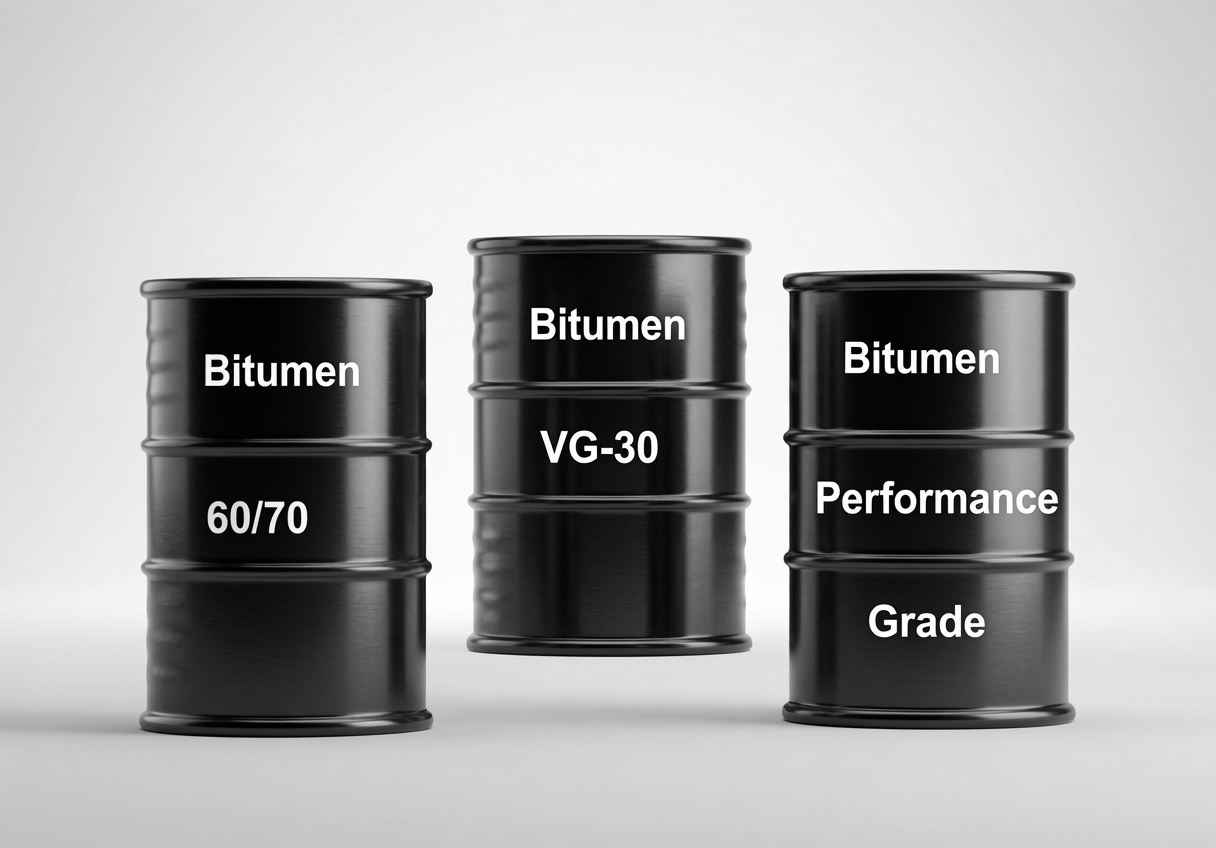
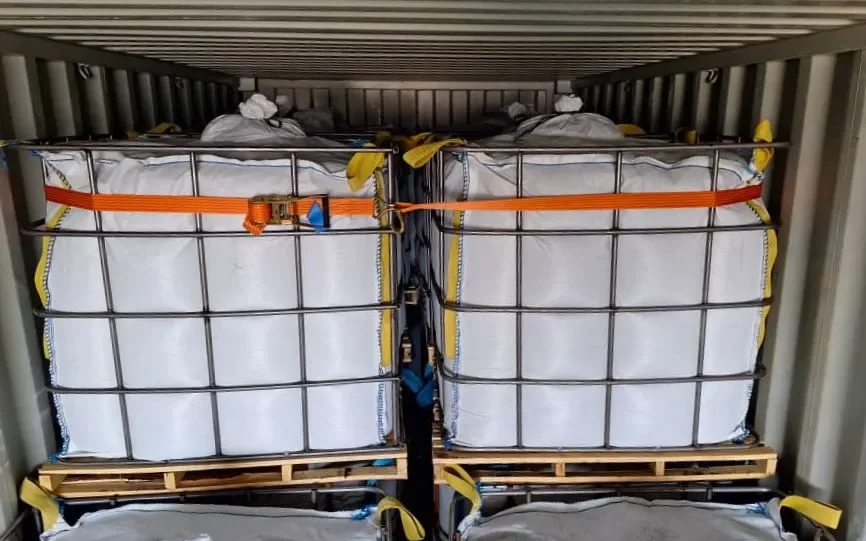
Relying solely on specialised tankers to deliver liquid product to coastal terminals exposes projects to the direct fallout of refinery force majeures and chokepoint blockages. To mitigate this risk, the most forward-thinking infrastructure firms are increasingly turning to containerised, solid-state logistics. Using jumbo bags and specialised drums makes it possible to decouple their supply chains from the tight market for specialised tankers. By using standard container ships or multimodal land networks, buyers can source bitumen from stable balancing basins, such as the Turkish or Greek markets, and deliver it directly to inland projects without the risk of demurrage or delivery interruptions.
Contractual structures must adapt too. Contracts drafted in the current climate need flexible origin clauses and robust freight-rate mechanisms, allowing buyers to capitalise on the downward pressure in the shipping market while hedging against sudden feedstock spikes. Our documentary logistics and Incoterms expertise secure each of these steps.
Bitumen market: the second half of 2026
The balance of risks for the rest of the year points to a gradual stabilisation of supply, combined with a modest and highly seasonal rebound in demand in the fourth quarter. A genuine, lasting market recovery, however, remains entirely dependent on structural shifts: the stabilisation of crude corridors out of the Gulf and a renewed commitment by major importing countries to infrastructure spending.
Until these macroeconomic factors align, the specialised bitumen sector will remain highly competitive and sensitive to local dynamics. Success in this environment belongs to those who look beyond the refinery gate, monitor the structural shifts of the global fleet and leverage diversified logistics channels to secure their margins. This is precisely the approach we bring to our bitumen trading and supply.
At E-Station, we bridge the gap between volatile refinery output and your project timelines. By closely analysing global maritime data and deploying flexible, multi-origin sourcing solutions, we ensure your infrastructure supply chain stays uninterrupted, whatever the shifts on the global map.
Let’s optimise your sourcing strategy for the season ahead, between volatile supply and freight under pressure.
Secure my supply chainFrequently asked questions about the bitumen market
What is the paradox of the bitumen market in 2026?
Supply fundamentals are technically improving thanks to fleet modernization, but structural feedstock issues and tensions in the Strait of Hormuz continue to choke production, creating an unprecedented imbalance.
Why isn't fleet modernization enough to stabilize the market?
New, larger and more efficient vessels are being launched, but this additional capacity does not offset the chronic disruptions at key maritime chokepoints that limit heavy crude supply.
What role does the Strait of Hormuz play in this imbalance?
Geopolitical disruptions at this strategic chokepoint continue to slow heavy crude supply, keeping refinery production under strain despite sustained demand.
Who is most exposed to this bitumen market volatility?
Infrastructure developers, procurement managers, and logistics operators, whose project planning depends directly on supply stability.
How can buyers adapt to this volatile environment?
By relying on a broker who monitors these dynamics daily, it becomes possible to anticipate supply tensions and secure volumes before volatility affects prices.