Maintaining a pavement at the right time costs far less than rebuilding it. Every ignored defect makes the next one worse: a crack turns into a pothole, alligator cracking turns into subsidence. Choosing the right repair technique at the right stage protects both the road and the budget over the long term.
Here are the main defects, the appropriate repair techniques and the logic of preventive maintenance.
Identifying defects
Each type of defect reflects a specific cause and calls for a different response:
- Cracks : fatigue or shrinkage, to be treated before water gets in.
- Rutting : deformation under heavy traffic, often linked to an unsuitable mix design.
- Alligator cracking : advanced structural fatigue of the wearing course.
- Potholes : localized failure made worse by frost and water.
Rutting in particular depends on the choice of asphalt mix: the guide asphalt mixes for heavy traffic and rutting resistance details the suitable mix designs.
Repair techniques
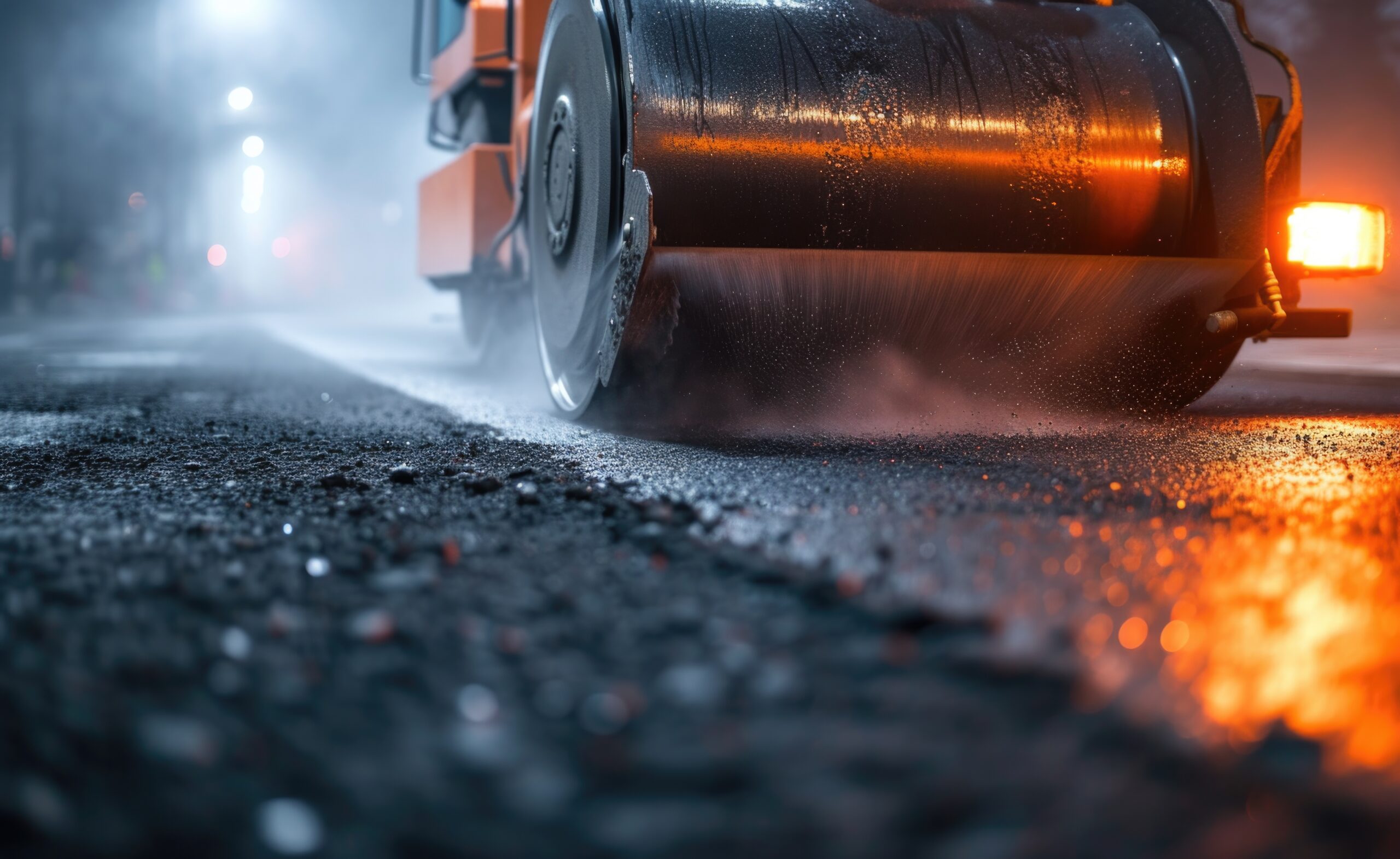
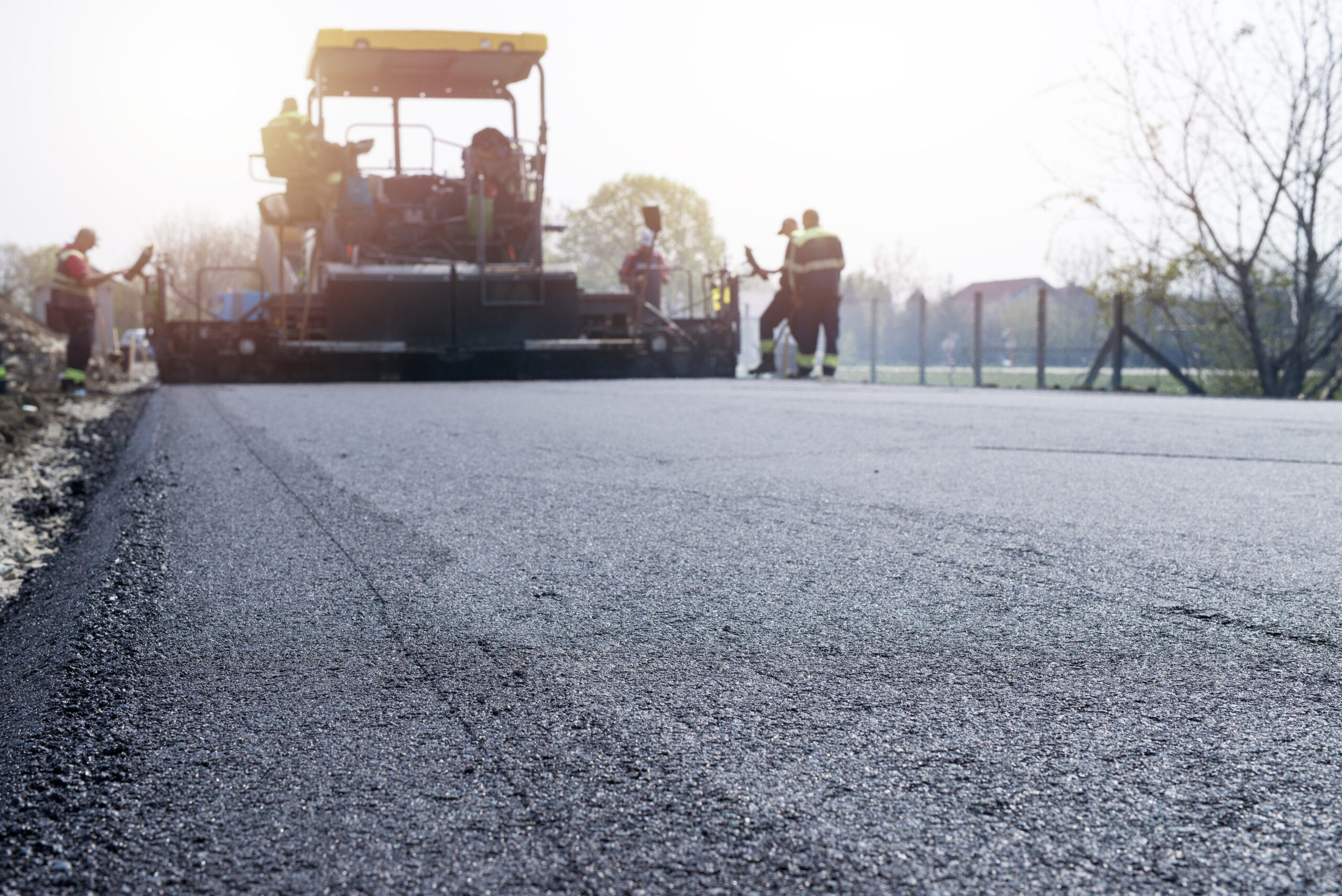
The technique is chosen according to the depth of the defect. A surface treatment is enough for waterproofing; structural repair is needed once bearing capacity is affected. Crack sealing, milling and resurfacing, and asphalt overlays cover most common cases.
Preventive or corrective maintenance
Preventive maintenance treats the surface before the structure is affected, at low cost. Corrective maintenance comes in once the damage has set in, with heavier works. A surface dressing or thin asphalt overlay applied in time postpones full reconstruction by several years.
For surface waterproofing,surface dressing offers an excellent cost-to-lifespan ratio on secondary roads.
The role of the binder in durability
The performance of a repair depends as much on the binder as on how it is laid. A binder suited to traffic and climate, properly bonded to the substrate, extends the life of the road. The choice of binder by application determines the durability of any intervention.
Recycling reclaimed materials
Materials milled during a repair are not waste. Fed back into the asphalt plant, they reduce the cost and footprint of the works, as explained in the guide recycling asphalt and reclaimed aggregates.
Frequently asked questions
When should a crack be treated?
As early as possible. An open crack lets water in, which damages the underlying structure and turns a surface problem into a structural defect.
Repair or rebuild?
As long as bearing capacity is intact, a targeted repair is enough. When alligator cracking becomes widespread and the structure weakens, reconstruction is needed.
Is preventive maintenance cost-effective?
Yes. Treating the surface before structural damage avoids heavy works and significantly postpones full reconstruction.
Need a quotation? E-Station draws up a priced offer, grade by grade, with a certificate of analysis and specified delivery terms. Request a quotation.