
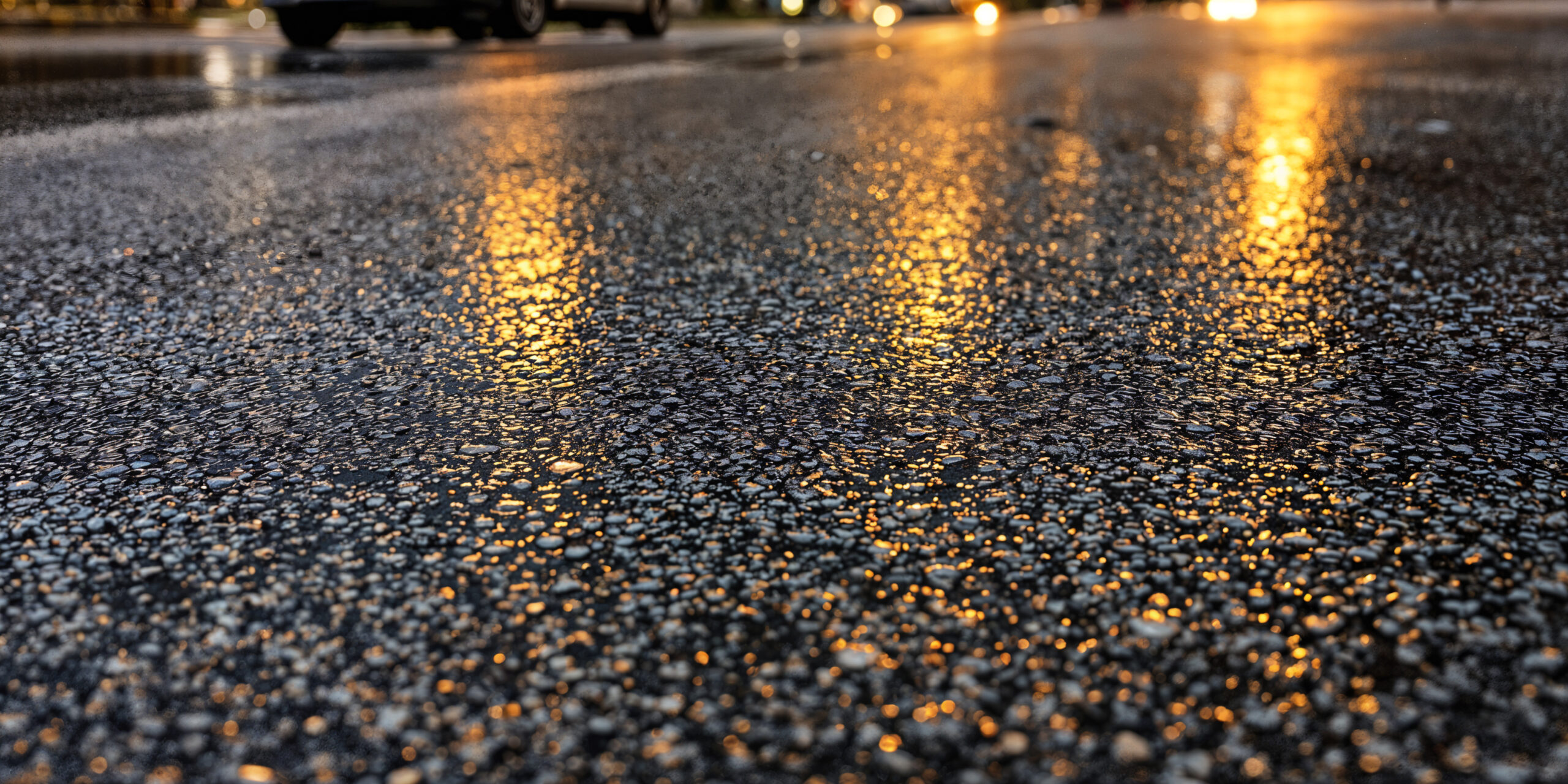
Surface dressing maintains and seals a pavement at low cost, where an asphalt overlay would be oversized. Properly applied, it restores skid resistance and waterproofing for several years. Poorly dosed, it loses its chippings and deteriorates from the first winter.
Here are the principle, the suitable binders and the conditions that make a surface dressing succeed.
How surface dressing works
Surface dressing does not strengthen the structure: it protects the surface. The process consists of spraying a binder, then spreading chippings that traffic presses in. The result is a thin, rough and waterproof wearing course.
This sets it apart from structural techniques such as BBSG, BBME and BBTM asphalt concretes, which add thickness and bearing capacity.
Need cold asphalt? We deliver Époxy végétal in one-tonne big bags anywhere in mainland France, with traffic possible 10 minutes after laying. Choose your department and the delivered price is displayed.
Order cold asphaltWhich binders for surface dressing
Two families share the market: bitumen emulsions and modified binders for heavier traffic.
- Bitumen emulsion : simple to apply, fast breaking, suited to secondary road networks.
- Polymer-modified binder : better chipping retention under heavy traffic and wide temperature ranges.
- Cutback bitumen : when site conditions require reduced viscosity for spraying.
The binder’s behavior in heat and cold determines chipping retention. The benchmarks of penetration and softening point help frame this choice.
Structures: single, racked-in, double
Depending on traffic and the condition of the surface, surface dressing comes in several structures. A single-layer, single-chip dressing suits low traffic; a double dressing adds waterproofing and texture on uneven surfaces. The design determines service life.
Weather window and temperature
Surface dressing requires a dry surface and a high enough ambient temperature for the binder to build cohesion. Early rain on fresh emulsion ruins the job. Planning the weather window is an integral part of success.
- Dry surface and clean before spraying.
- Temperature favorable to breaking and bonding.
- No rain forecast in the hours after application.
Chipping loss and remedies
Chipping loss, the main defect, comes from too little binder, dirty chippings or reopening to traffic too quickly. Sweeping up loose chippings and limiting speed in the early days reduce the problem. Choosing a modified binder greatly reduces the risk under heavy traffic.
Binder supply
Consistent binder quality ensures consistent spraying. E-Station secures emulsions and modified binders at the right price, with a certificate of analysis and guaranteed delivery on the site schedule.
Frequently asked questions
Surface dressing or thin asphalt overlay: which to choose?
Surface dressing maintains and seals at low cost without adding structure. A thin asphalt overlay provides a smoother wearing course and better performance under heavy traffic, at a higher cost.
How long does a surface dressing last?
Properly applied, a surface dressing commonly lasts several years on secondary roads. The binder, the application rate and the traffic determine its actual lifespan.
Should speed be limited after application?
Yes. A temporary limit in the early days lets the chippings embed and significantly reduces chipping loss.
Need a quotation? E-Station draws up a priced offer, grade by grade, with a certificate of analysis and specified delivery terms. Request a quotation.
No comments yet!