Faced with the collapse of shipping flows in the Strait of Hormuz, Baghdad is granting massive discounts on its crude and reorganising its export logistics to avoid budgetary suffocation. For buyers, the window is real, provided the logistics risk is under control.
Record discounts to keep customers
Iraq sells its oil through SOMO, the state marketing organisation. Since the August 2026 cargoes, SOMO has made official discounts of an unprecedented size on Basrah Medium and Basrah Heavy, to offset the surge in freight and insurance premiums for ships still crossing the strait. A supertanker chartered on these routes now costs several times its pre-crisis rate, and this extra cost comes straight off the price the buyer agrees to pay.
A new export mechanism since 1 September
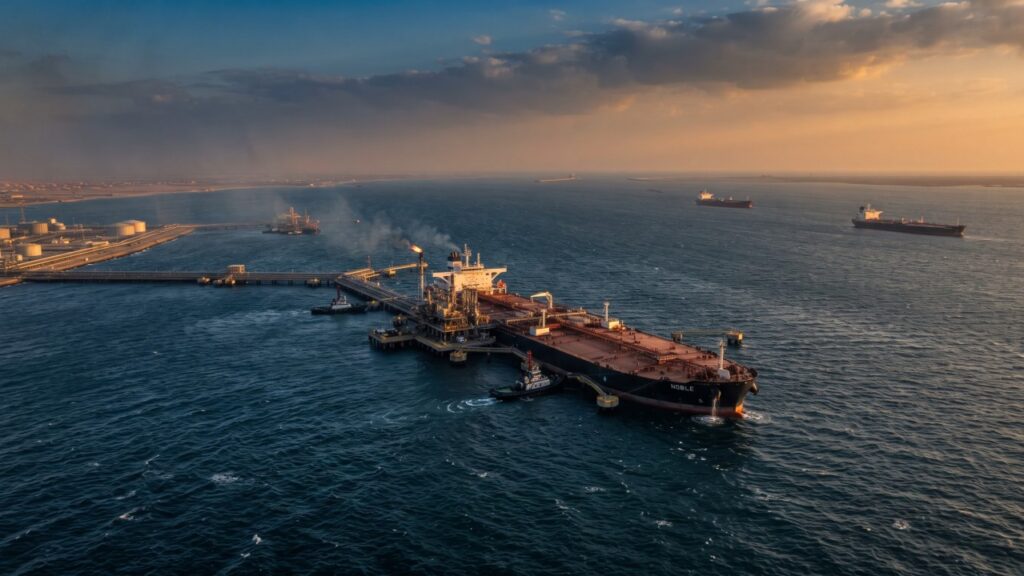
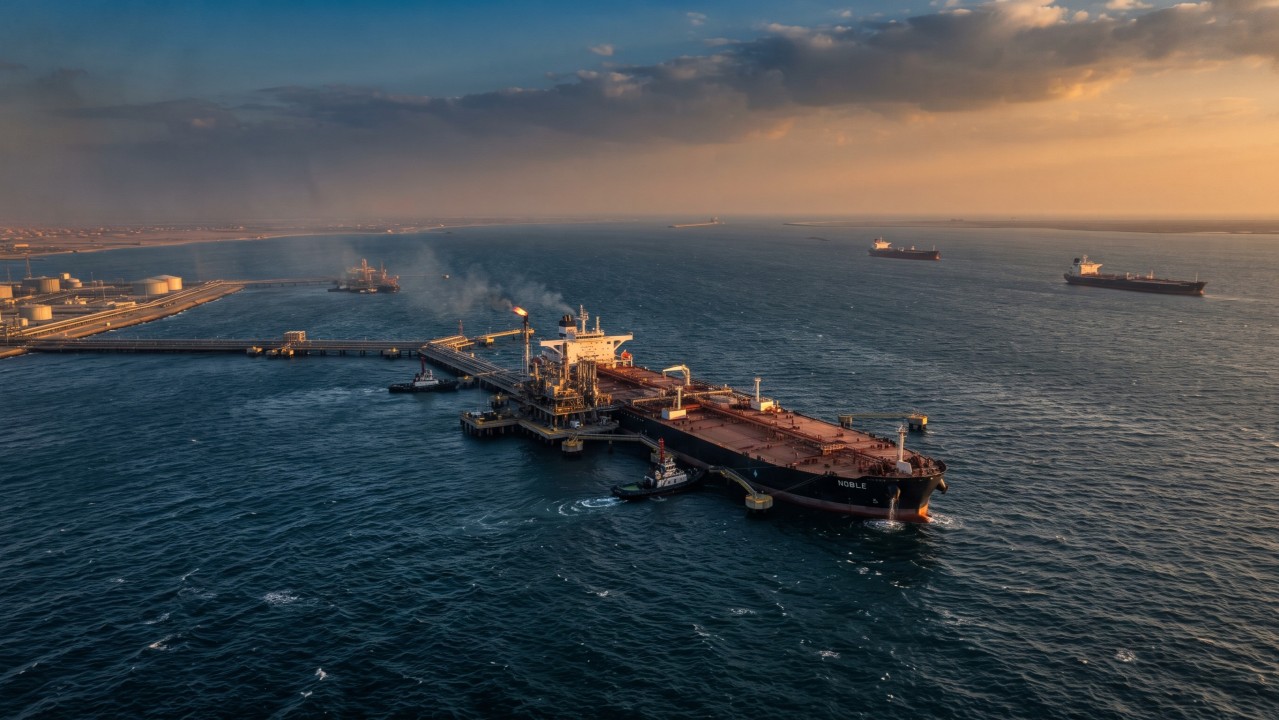
The Iraqi Council of Ministers approved a flat-rate discount mechanism applicable since 1 September, and opened logistics to specialised private operators. Crude can thus be loaded onto shuttle vessels and then transshipped at sea, ship to ship, off Fujairah, on the east coast of the Emirates, outside the strait. Asian refiners and charterers organise these chains to secure their volumes without exposing their own tankers to the regional risk.
A budget that rests on oil
This logistical paralysis threatens the country’s macroeconomic stability. Ministry of Finance figures for the first half of 2026 show oil revenues halved compared with the same period of 2025, and a widening deficit. Operating expenditure, salaries, pensions and subsidies, absorbs 85% of the budget, which leaves the State with no room for manoeuvre until exports have recovered half their pre-crisis pace.
Consequences for a crude buyer
Two routes are open. The first is to buy discounted Iraqi crude, accepting a supply chain that runs through Fujairah, with its transshipments, insurance and lead times. The second is to turn to non-Gulf origins, whose ports remain accessible. In both cases, the discipline is the same: a clearly defined incoterm, insurance suited to the zone and a complete set of documents. These rules are described on our page on incoterms and shipping documents, valid for all petroleum products, and on the one devoted to the letter of credit.
Derived products follow the same movement
Iraqi crude also feeds the region’s refineries, whose sales come from jet fuel, from bitumen and sulfur. The Hormuz blockade has therefore spilled over into these markets: the global sulfur crisis that is driving up the price of phosphate fertilizers is its most visible consequence.
What E-Station does
We work in crude oil trading and its derivatives, with a single point of contact from quotation to delivery. For buyers in North and West Africa, we offer origins whose route avoids the Gulf, and we frame the incoterm and insurance from the offer stage, as we do for sulfur in Morocco or bitumen delivery in Africa.
Frequently asked questions
Why is Iraq granting discounts on its crude?
To offset the extra freight and insurance costs borne by buyers whose ships cross the Strait of Hormuz, and to keep its market share in Asia during the crisis.
What is a ship-to-ship transshipment off Fujairah?
The crude is loaded onto a shuttle vessel in the Gulf, then transferred at sea to an ocean-going tanker off Fujairah, on the Gulf of Oman side, which spares the large vessel from crossing the strait.
What is the risk for a buyer of discounted Iraqi crude?
Lead time, insurance and documentation. A discount only has value if the crude arrives: the incoterm, the cover for the zone and the document checks must be settled before any commitment.
Do you offer non-Gulf origins?
Yes, for crude and for its derivatives, with loading ports that remain accessible whatever the situation in the strait.
Need crude oil or refined products? We draw up a priced offer with origin, incoterm and payment terms specified. Request a quotation.
No comments yet!