

Bitumen in Burkina Faso: the road revolution through sovereignty and direct public management

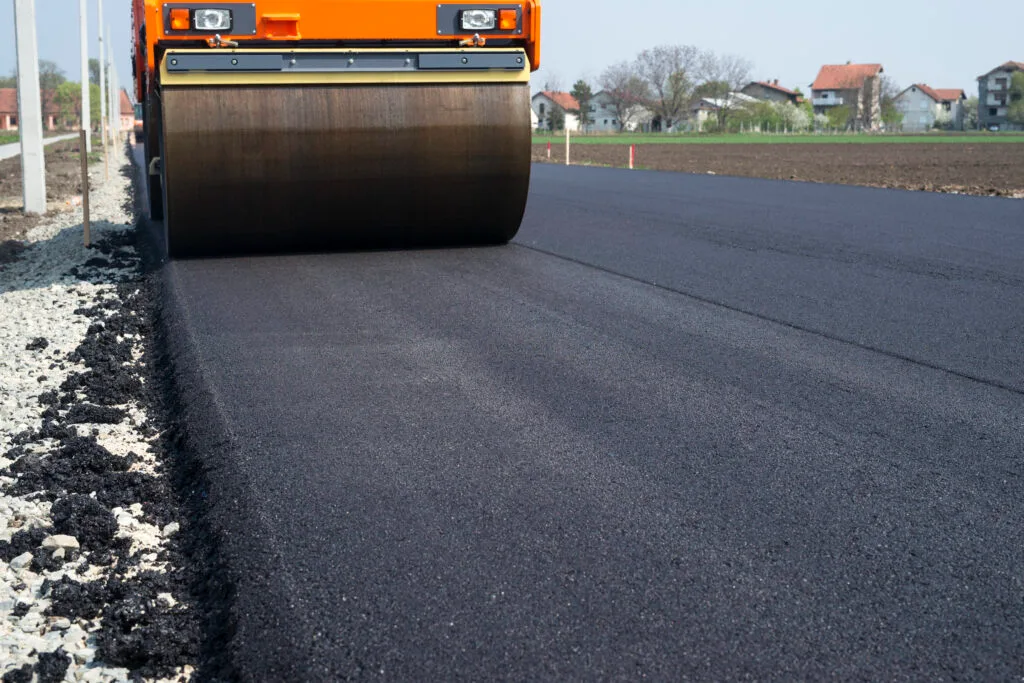
Application de bitume sur un chantier routier en Afrique
Bitume au Burkina Faso : chantier de construction routière sur l'autoroute Ouaga-Bobo en 2026

The bitumen in Burkina Faso is becoming a matter of national sovereignty. Facing a historic deficit in road infrastructure, in 2026 the country is making a radical strategic shift centred on bitumen.

By rejecting external debt and drawing on financing from its own resources, combined with the mobilisation of the Military Engineering Corps, the country has launched a colossal undertaking: paving between 3,000 and 5,000 kilometres of roads each year.

An analysis of an unprecedented approach to road construction in the Sahel region.

Key takeaway: in Burkina Faso, bitumen is establishing itself as an instrument of sovereignty. Thanks to financing from its own resources, direct public management by the Military Engineering Corps and a fleet of 776 machines, this model aims to pave 3,000 to 5,000 km per year, without resorting to foreign borrowing.

The challenge of opening up: a road network to reinvent

In this landlocked West African nation, the road is far more than mere infrastructure: it is the genuine engine of the economy.

Until recently, on a total network exceeding 61,000 kilometres, only about 4,000 kilometres had a bitumen surface, leaving the country's economy exposed to tracks that became impassable during the rainy season.

During the year 2026, the transition government chose to break free from the usual financing models. The unprecedented Burkinabè doctrine is based on rejecting automatic external debt in favour of harnessing national resources.

Major projects are therefore covered directly by the State's public funds and by citizens' contributions through the "Faso Mêbo" programme.

This shift takes place within a continent-wide movement, as outlined by the African Development Bank.

Bitumen in Burkina Faso serving the Ouaga-Bobo motorway

The symbol of this acceleration is the launch of the country's very first motorway.

Designed to link Ouagadougou, the capital, to Bobo-Dioulasso, the country's second-largest city, this motorway corridor runs for 332 kilometres and on its own accounts for the bulk of Burkina Faso's bitumen needs.

A bitumen project in continuous production

  • The project: the works are progressing at an intensive pace of continuous production, 24 hours a day.
  • The design: the alignment adopts a 2×2-lane configuration, expandable to 8 lanes, with generous 100-metre land reserves to prepare for future expansion.
  • The funding: close to 200 billion CFA francs (over 350 million USD), fully guaranteed by the State.
  • The objective: to speed up the transport of goods to the main regional ports (Abidjan, Lomé, Cotonou) and put an end to the nation's logistical isolation.

In parallel, heavy attention is being devoted to the cross-border national roads towards Mali and Côte d'Ivoire.

The Bobo-Dioulasso – Banfora (RN7) section is having its structure reinforced over 84.7 km, for a sum of 63 billion CFA francs.

As a continuation, the paving of the RN11 (Banfora – Orodara) and the rehabilitation of the RN8 (Moami – Orodara), estimated at 32 billion FCFA, open up the main agricultural production areas.

The direct public management method: lower costs, greater autonomy

The genuinely innovative contribution of the Burkinabè model lies in its way of operating: management taken on directly by the State itself.

To avoid the margins of the major international construction firms and to make the most of public funds, the government has heavily equipped its national road-building apparatus.

The nation has equipped itself with a remarkable sovereign fleet of 776 heavy earthmoving machines (graders, bulldozers, compactors).

This equipment is handed directly to the Military Engineering Corps as well as to intervention units distributed across the regions.

This approach allows earthworks and soil-stabilisation operations to be carried out at unbeatable rates, while also building the skills of a local workforce.

Climate resilience: the historic inauguration of the Hérédougou bridge

The upgrading of the road network goes hand in hand with an adaptation that has become unavoidable in the face of climate disruption.

Intense seasonal rains previously caused recurrent flooding, cutting off the vital artery of National Road 1 at the Mouhoun river.

The solution came with the inauguration, on 20 June 2026, of the brand-new Hérédougou bridge. This strategic structure, costing 4.5 billion CFA francs, was raised nearly 12 metres above the river's surface.

Built of reinforced concrete and combined with reinforced rip-rap protection dykes, it now guarantees the continuity of road traffic and national trade, even in the event of a ten-year flood.

At the local level, the "Ouaga 40 billion" urban programme rounds off the whole effort with the recent delivery of 22 kilometres of modern paved urban roads in the capital, making it easier for residents to get around and reducing dust in the city.

By combining national economic pride, technical expertise led by the army and nationwide-scale works,

Burkina Faso demonstrates, in the middle of this year 2026, that the continent's infrastructure boom and the supply of bitumen can be carried out by Africans and for their own benefit.

E-Station, your bitumen partner for construction projects in Africa

Major road programmes such as Burkina Faso's require a reliable, standard-compliant bitumen supply delivered on time.

Whatever the bitumen project in Burkina Faso, E-Station supports construction companies and project owners with bitumen supply across the African continent, from grade selection through to port logistics.

Contact our teams to secure your volumes.

On the same topic:

Biogas: Maera, Montpellier's example of local energy at the heart of energy independence

Unité de production de biogaz et biométhane entourée de végétation
Biogaz Maera : unité de production de biogaz et biométhane à Montpellier

Le blocage du détroit d’Ormuz et ses répercussions sur le GNL qatari, conjugués à l’arrêt de l’approvisionnement en gaz russe depuis la guerre en Ukraine, ont placé l’indépendance énergétique au premier plan. Dans ce contexte, le biométhane produit localement s’impose comme un actif stratégique. La station Maera, à Montpellier, en offre une illustration concrète. Le biogaz Maera illustre parfaitement cette dynamique de production locale de gaz vert.

Biogaz Maera : une station d’épuration qui produit du gaz vert

Le biogaz Maera est produit directement sur le site d’épuration. L’unité de traitement des eaux usées Maera, située à Lattes et gérée par la Métropole de Montpellier, a officiellement mis en service son dispositif de production de gaz vert le 4 juin 2026. Grâce à un chantier de modernisation de 165 millions d’euros lancé en 2023, les eaux usées collectées permettent désormais de produire du biométhane, une énergie locale et renouvelable injectée dans le réseau de GRDF.

Once the works are complete, the plant will produce twice as much energy as it consumes. Each year it will supply the equivalent of 9,000 low-energy (BBC) homes with biogas, as well as 3,000 homes with hot water and heating. Production will ramp up gradually: around 20 GWh by 2028, close to 10% of the gas consumed across the metropolitan area, then 32 GWh in 2029. On a broader scale, Montpellier Métropole plans to connect 45,000 households to its urban heating networks by 2030.

Key takeaway: Maera shows how existing public infrastructure can become a producer of local renewable energy — a model of direct interest to local authorities committed to biogas valorisation.

How biomethane is monetised in France

The production cost of biomethane remains on average higher than the market price of natural gas. To make a facility profitable, project developers have several monetisation mechanisms available, which currently coexist but cannot be combined on the same facility.

The state-backed feed-in tariff

Introduced in 2011, the feed-in tariff guarantees facilities producing less than 25 GWh per year a fixed remuneration over 15 years for each megawatt-hour injected (open window). Above 25 GWh per year, projects fall under the tenders organised by the French Energy Regulatory Commission (CRE), introduced in 2024 in line with the 2018 programming law, with a ceiling tariff set by the tender specifications.

Over-the-counter contracts (BPAs)

Biomethane Purchase Agreements (BPAs) are contracts negotiated directly between a producer and a consumer, often an industrial company wishing to green its gas consumption over the long term at a smoothed price. They can be direct or go through an intermediary supplier.

Biogas production certificates (CPBs)

Le cadre réglementaire des certificats de production de biogaz est défini par les pouvoirs publics ; voir le portail de l’ADEME pour les modalités officielles.

Established by the 2021 Climate and Resilience Act and specified by the decree of 6 July 2024, the biogas production certificates reverse the funding logic: it is now the gas suppliers themselves who finance the sector, by surrendering to the State each year a volume of certificates proportional to their sales. The stated objective is to reach 10% biomethane in the networks by 2030.

The obligation trajectory ramps up quickly: from 0.41% of the volume sold in 2026 to 4.15% in 2028, for an estimated cumulative total of 10.4 TWh. In the event of a shortfall, Article L. 446-46 of the Energy Code provides for a penalty of 100 euros per missing MWh, calibrated to stay above the expected market price of a certificate so as to discourage suppliers from preferring the fine to purchasing.

Guarantees of origin (GOs)

Distinct from CPBs, guarantees of origin trace the renewable origin of the gas for the end consumer: an electronic certificate is issued for each MWh of biomethane injected (Article L. 446-18 of the Energy Code). Since 1 October 2023, their registry has been managed by the company EEX. A notable point for a case like Maera: Article L. 446-22 allows a municipality, a grouping of municipalities or a metropolitan authority hosting a facility to receive, free of charge, all or part of these guarantees to certify the local origin of its own consumption — without being able to resell them.

A cost now spread across all consumers

Le modèle économique du biogaz Maera repose sur ce partage. Le prix d’un CPB se forme librement, à l’équilibre entre le coût complet de production du biométhane et la valeur de marché du gaz. Sur la base des coûts constatés en 2024-2025, la CRE estime ce prix d’équilibre autour de 80 €/MWh PCS en 2026, avec une baisse attendue à mesure que la filière gagne en maturité.

Passed on to bills, this mechanism has a concrete effect: for a gas-heated household consuming around 12 MWh per year, the CRE estimates the additional annual cost at close to 8 euros in 2026, then around 79 euros in 2028. Unlike guarantees of origin, which concern only voluntary green offers, CPBs weigh uniformly on all gas offers. Financing biomethane thus becomes the concern of all consumers.

Biomethane, a sovereignty asset

À l’image du biogaz Maera, la production locale renforce l’autonomie énergétique du territoire. Au-delà de sa dimension environnementale, le biométhane local présente un atout stratégique : sa chaîne de valeur — génie civil, technologies d’épuration, matière première — est intégrée sur le territoire, alors que le pays cherche à réduire sa dépendance aux importations de gaz. Le cas Maera illustre comment une infrastructure publique existante peut contribuer, à son échelle, à cet objectif d’indépendance énergétique. Cette dynamique rejoint la structuration plus large du European biomethane market for businesses.

Monetise your biogas certificates with E-Station

Comme le montre le cas du biogaz Maera, chaque unité de méthanisation peut valoriser sa production ; E-Station vous accompagne pour transformer ce biogaz Maera en revenus concrets.

Producer, supplier or industrial company: E-Station supports you in the valorisation and trading of your biogas production certificates.

Discover our solutions

Bitumen market in Africa 2026: how to secure your supply amid fragile stabilization

Chantier de construction routière avec rouleau compresseur, illustration de la pénurie de bitume
Marché du bitume en Afrique : chantier de construction routière illustrant la sécurisation des approvisionnements en 2026

Le marché du bitume en Afrique a changé de nature. Pour les directeurs des achats, les entreprises de BTP et les ministères des Infrastructures du continent, le premier semestre 2026 a imposé un constat brutal : le coût d’un chantier routier ne dépend plus seulement du prix du brut, mais de la solidité de sa chaîne logistique.

L’analyse récente du marché publiée par Infinity Galaxy met en lumière une transition majeure. Entre février et avril 2026, le marché africain du bitume est passé d’un équilibre précaire à un véritable choc de prix provoqué par les tensions géopolitiques mondiales et les blocages maritimes. Si le milieu de l’année amorce une phase de stabilisation, celle-ci reste particulièrement fragile. Pour les opérateurs économiques, la donne a changé : le retour aux conditions d’avant-crise n’est pas à l’ordre du jour. Cette tension se lit directement dans bitumen prices.

A Logistics Divide Between the East and West of the Continent

Le marché du bitume en Afrique ne réagit plus comme un ensemble unique face aux fluctuations mondiales. Les dynamiques régionales se sont profondément fragmentées :

  • En Afrique de l’Est (Kenya, Tanzanie) : buyers bear the full brunt of the direct disruptions to maritime flows from the Middle East and the Strait of Hormuz. Freight costs and insurance premiums on discharge at Mombasa or Dar es Salaam keep spot prices at very high levels.
  • En Afrique de l’Ouest et Centrale (Congo-Brazzaville, RDC, Angola) : the situation is different. These markets traditionally relied on European refining surpluses (notably from the Mediterranean). Technical shutdowns and force majeure declarations by several European refineries have dried up the usual flows.

Dans une zone en pleine expansion comme le bassin du Congo, la réussite d’un projet de transport ou de désenclavement ne se joue plus sur une négociation de prix au rabais, mais sur une absolute availability guarantee des cargaisons. Nous détaillons ces enjeux sur notre page livraison de bitume en Afrique.

L’achat de bitume au Congo et en RDC : le défi du conditionnement

Pour sécuriser a bitumen purchase au Congo ou en République Démocratique du Congo (RDC), la flexibilité technique est devenue l’arme principale des acheteurs avertis. Les importations massives par navires-citernes thermiques (bitumen tankers) sont soumises à de fortes contraintes portuaires et à des coûts de surestaries prohibitifs dans les ports d’Afrique centrale.

C’est pourquoi les solutions de livraison alternatives s’imposent sur le terrain en 2026 :

  • Le bitume en jumbo bags (1 000 kg) : ideal for multi-modal transport to inland destinations (the Pointe-Noire/Brazzaville route, or from the port of Matadi to Kinshasa). It eliminates the risk of the product cooling and simplifies on-site storage.
  • Le bitume en fûts (new steel drums) : a safe bet for long-term storage and for protecting the bituminous binder against tropical weather and intense rainy seasons.
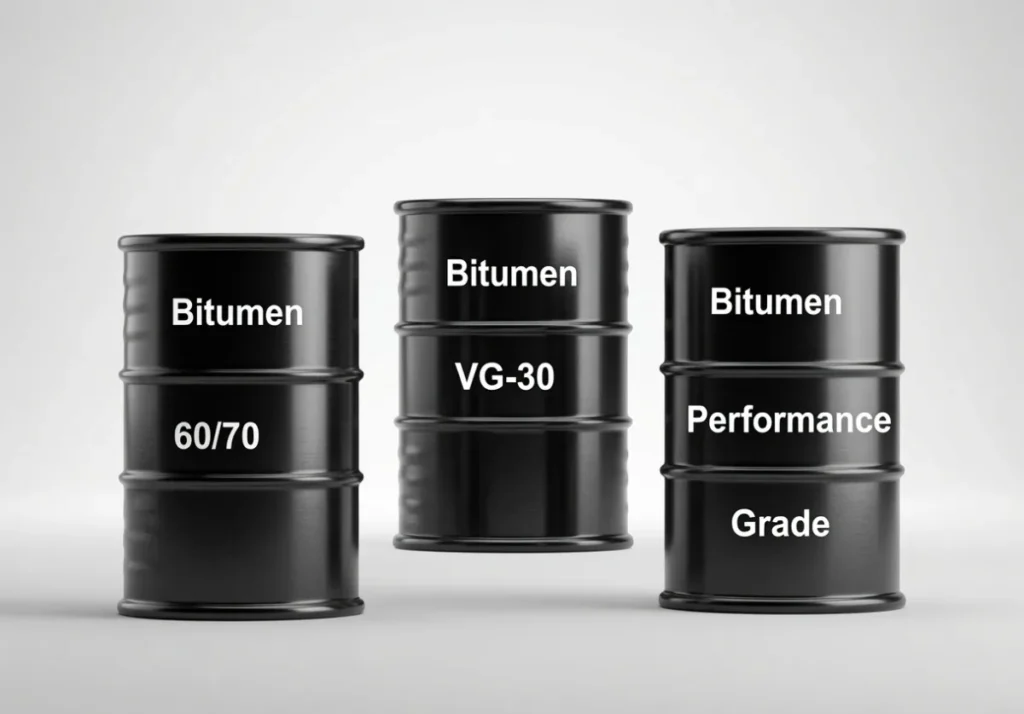
  • Les grades de pénétration adaptés : whether bitumen 60/70 or bitumen 80/100, consistent quality and certified viscosity in line with the bitumen (asphalt) are essential to ensure the durability of asphalt mixes under heavy loads and the region's high temperatures.

The choosing the right packaging (fûts, big bags, vrac) est donc déterminant pour la réussite de vos chantiers en Afrique centrale.

Bitumen market in Africa: anticipating volatility in the second half of 2026

Waiting for a hypothetical drop in oil prices is a risky strategy. The scarcity of heavy refining residues and the cost of global maritime transport keep landed costs under pressure on the sub-Saharan African bitumen market. The key to performance lies in diversifying sourcing origins (Southern Europe, Turkey, the UAE) and building in flexible logistics clauses from the moment contracts are signed.

At E-Station, we understand the operational realities of infrastructure in Africa. Through our international distribution network and our command of maritime and overland freight, we secure your bitumen volumes, in drums or jumbo bags, right up to your production sites. This is the essence of our bitumen trading and supply.

Besoins immédiats ou planification de vos prochains approvisionnements routiers ? Nos équipes analysent vos flux pour vous offrir la meilleure flexibilité contractuelle.

Secure your purchase

Optimise your imports and secure your bitumen purchase in Africa, in drums or jumbo bags.

Secure my bitumen purchase

Frequently asked questions about the bitumen market in Africa

Why did the bitumen market in Africa experience a price shock in 2026?

Between February and April 2026, global geopolitical tensions and maritime blockages tipped the African bitumen market from a precarious balance into a genuine price shock, putting pressure on the continent's supply chains.

Does the stabilization observed in mid-2026 mean a return to normal?

No, this stabilization remains fragile. A return to pre-crisis conditions is not on the horizon, and operators must contend with a market that is structurally tighter than before.

What now determines the cost of a road construction project in Africa?

Cost no longer depends solely on the price of crude oil, but also on the strength of the logistics chain: vessel availability, maritime freight, and supply reliability.

Who is affected by this shift in the African bitumen market?

Procurement directors, construction companies, and the continent's infrastructure ministries, who must secure their supplies in the face of this persistent volatility.

How can bitumen supplies be secured in this context?

A specialized broker helps anticipate logistics tensions, diversify supply sources, and secure volumes on controlled terms despite market volatility.

The bitumen market paradox in 2026: when fleet capacity growth meets volatile supply lines

Paradoxe du marché du bitume 2026 : flottes et approvisionnement
Marché du bitume 2026 : fûts en attente de chargement et flotte de navires-citernes

Le marché du bitume mondial aborde le second semestre 2026 dans un état de déséquilibre complexe. Pour les développeurs d’infrastructures, les responsables achats et les opérateurs logistiques, le paysage actuel défie la logique habituelle des matières premières : d’un côté, une vague de modernisation des flottes met à l’eau des navires plus grands et plus efficients ; de l’autre, les perturbations géopolitiques chroniques aux points de passage maritimes clés — au premier rang desquels le détroit d’Ormuz — continuent d’étrangler l’offre de brut lourd, maintenant la production des raffineries sur la réserve.

Selon l’analyse de mi-année publiée par BRS Shipbrokers, le marché se définit par un paradoxe net : les fondamentaux de l’offre s’améliorent techniquement, mais des problèmes structurels de charge d’alimentation empêchent la production de bondir comme elle l’aurait fait par le passé. Dans le même temps, la demande d’infrastructures reste très fragmentée à l’échelle mondiale. Pour les entreprises qui évoluent dans cet environnement, comprendre le marché du bitume et le point de rencontre entre la prudence des raffineries, les aléas météorologiques régionaux et l’expansion de la flotte de tankers est essentiel pour protéger leurs marges de projet. Un contexte qui pèse directement sur le price of bitumen.

La contrainte d’alimentation : pourquoi les raffineries restent prudentes

The root of the current supply tension does not lie in bitumen production units themselves, but much further upstream. The persistent disruptions to crude flows through the Strait of Hormuz have profoundly altered refiners’ behaviour in 2026.

La production de bitume repose largement sur les résidus de « fond de colonne sous vide » issus du raffinage des bruts lourds et soufrés. Comme ces grades spécifiques subissent des goulets d’étranglement périodiques et sévères à la sortie du Golfe, les raffineurs opèrent avec une extrême prudence. Plutôt que d’augmenter les cadences pour répondre à la demande saisonnière de construction, ils préfèrent maintenir des stocks tendus.

This upstream bottleneck explains why global bitumen production has not seen its usual summer peak. Supply disruptions sustained high price levels throughout the first half of 2026, creating an environment where fears of shortage are driven by geopolitical friction rather than any genuine lack of refining capacity. As long as maritime routes out of the Middle East carry a high risk premium, refiners will hardly increase product allocation to low-margin heavy residues like bitumen in the short term.

Une carte de la demande fragmentée : des moussons aux budgets d’entretien

While supply remains tightly constrained by geopolitical realities, global demand for bitumen in the second half of 2026 presents a deeply contrasted picture. The market’s traditional growth engine, the Asia-Pacific region, is experiencing a marked slowdown. The combination of severe monsoons, weather anomalies and bureaucratic delays in public infrastructure spending has heavily curbed road-paving works. South-East Asian governments have slowed project execution, leading to a temporary dip in direct import demand. While analysts expect a seasonal recovery in the fourth quarter as the weather improves, a lasting rebound will require a major injection of public capital and the swift unblocking of stalled road programmes.

À l’inverse, l’Europe et ses bassins commerciaux présentent une matrice très localisée :

  • Europe du Nord : countries such as Sweden, Norway, Denmark and Finland stand out. Driven by expanded public budgets specifically dedicated to long-term road maintenance and climate-resilient rehabilitation, paving activity is showing solid signs of recovery.
  • Le bassin d’ajustement méditerranéen : the production surplus of Southern European refiners is increasingly being absorbed by North African markets.
  • Afrique du Nord : Algeria, Morocco and Libya are generating the strongest incremental demand in the western hemisphere. Driven by vast national infrastructure corridors and ambitious road programmes, these nations are acting as a vital outlet for Mediterranean barrels.

Cette dynamique confirme la montée en puissance de la région : retrouvez notre analyse dédiée à la bitumen delivery in Africa et à nos outlets in the Maghreb.

Le dilemme du transport : des flottes en expansion face à une demande atone

In the bitumen market, the most significant structural shift highlighted by BRS Shipbrokers is playing out on the water. The global fleet of specialized bitumen tankers is in the midst of a major, historic renewal cycle.

Aujourd’hui, la flotte mondiale compte 267 navires spécialisés, d’un âge moyen de 14,5 ans et d’une capacité moyenne avoisinant les 8 900 tonnes de port en lourd (tpl). Mais un programme de constructions neuves soutenu et agressif introduit rapidement une nouvelle génération de navires. La majorité de ces livraisons se concentre dans le segment 8 500 à 17 500 tpl, aux côtés de quelques unités exceptionnellement grandes.

Ce basculement marque une rupture nette avec les navires traditionnels de 3 000 à 10 000 tpl qui dominaient historiquement le cabotage en Méditerranée et en Europe du Nord-Ouest. La nouvelle génération offre d’importantes économies d’échelle, conçues pour réduire agressivement le coût de transport à la tonne du bitume liquide.

However, the timing of these deliveries has created a serious commercial mismatch. These highly efficient, high-capacity vessels are arriving on the market at the very moment when actual cargo volumes remain constrained by refinery caution and slowing public spending. Moreover, the scrapping of older, less efficient vessels has not been fast enough to offset this influx of new capacity.

Par conséquent, à moins d’une accélération marquée des dépenses publiques d’infrastructure dans les mois à venir, l’expansion de la capacité de flotte déclenchera une concurrence intense entre armateurs pour les cargaisons disponibles. Pour les équipes achats, cette surcapacité de transport offre une rare éclaircie : elle exerce une pression baissière persistante sur les taux de fret spot sur les routes de Méditerranée, d’Europe du Nord-Ouest et d’Afrique, compensant en partie la prime élevée de la matière première elle-même.

Strategic Implications for Infrastructure Procurement

The reality of the late-2026 market means that resilience can no longer rest on traditional purchasing models. When shipping capacity is high but feedstock availability remains volatile, operators must build absolute flexibility into their sourcing strategies.

Relying solely on specialised tankers to deliver liquid product to coastal terminals exposes projects to the direct fallout of refinery force majeures and chokepoint blockages. To mitigate this risk, the most forward-thinking infrastructure firms are increasingly turning to containerised, solid-state logistics. Using jumbo bags and specialised drums permet de découpler leurs chaînes d’approvisionnement du marché tendu des tankers spécialisés. En recourant à des porte-conteneurs standards ou à des réseaux terrestres multimodaux, les acheteurs peuvent sourcer du bitume depuis des bassins d’ajustement stables — comme les marchés turc ou grec — et l’acheminer directement vers des projets intérieurs sans risque de surestaries ni d’interruption de livraison.

Contractual structures must adapt too. Contracts drafted in the current climate need flexible origin clauses and robust freight-rate mechanisms, allowing buyers to capitalise on the downward pressure in the shipping market while hedging against sudden feedstock spikes. Our documentary logistics and Incoterms expertise secure each of these steps.

Bitumen market: navigating the second half of 2026

L’équilibre des risques pour le reste de l’année pointe vers une stabilisation progressive de l’offre, associée à un rebond modeste et très saisonnier de la demande au dernier trimestre. Une véritable reprise durable du marché reste toutefois entièrement suspendue à des basculements structurels : la stabilisation des corridors de brut au départ du Golfe et un engagement renouvelé des grands pays importateurs en faveur des dépenses d’infrastructure.

Until these macroeconomic factors align, the specialised bitumen sector will remain highly competitive and sensitive to local dynamics. Success in this environment belongs to those who look beyond the refinery gate, monitor the structural shifts of the global fleet and leverage diversified logistics channels to secure their margins. This is precisely the approach we bring to our bitumen trading and supply.

At E-Station, we bridge the gap between volatile refinery output and your project timelines. By closely analysing global maritime data and deploying flexible, multi-origin sourcing solutions, we ensure your infrastructure supply chain stays uninterrupted, whatever the shifts on the global map.

Optimise your sourcing

Let’s optimise your sourcing strategy for the season ahead, between volatile supply and freight under pressure.

Secure my supply chain

Frequently asked questions about the bitumen market paradox

What is the paradox of the bitumen market in 2026?

Supply fundamentals are technically improving thanks to fleet modernization, but structural feedstock issues and tensions in the Strait of Hormuz continue to choke production, creating an unprecedented imbalance.

Why isn't fleet modernization enough to stabilize the market?

New, larger and more efficient vessels are being launched, but this additional capacity does not offset the chronic disruptions at key maritime chokepoints that limit heavy crude supply.

What role does the Strait of Hormuz play in this imbalance?

Geopolitical disruptions at this strategic chokepoint continue to slow heavy crude supply, keeping refinery production under strain despite sustained demand.

Who is most exposed to this bitumen market volatility?

Infrastructure developers, procurement managers, and logistics operators, whose project planning depends directly on supply stability.

How can buyers adapt to this volatile environment?

By relying on a broker who monitors these dynamics daily, it becomes possible to anticipate supply tensions and secure volumes before volatility affects prices.

When Hormuz tightens, your road budget takes a hit: why freight is the real price of bitumen

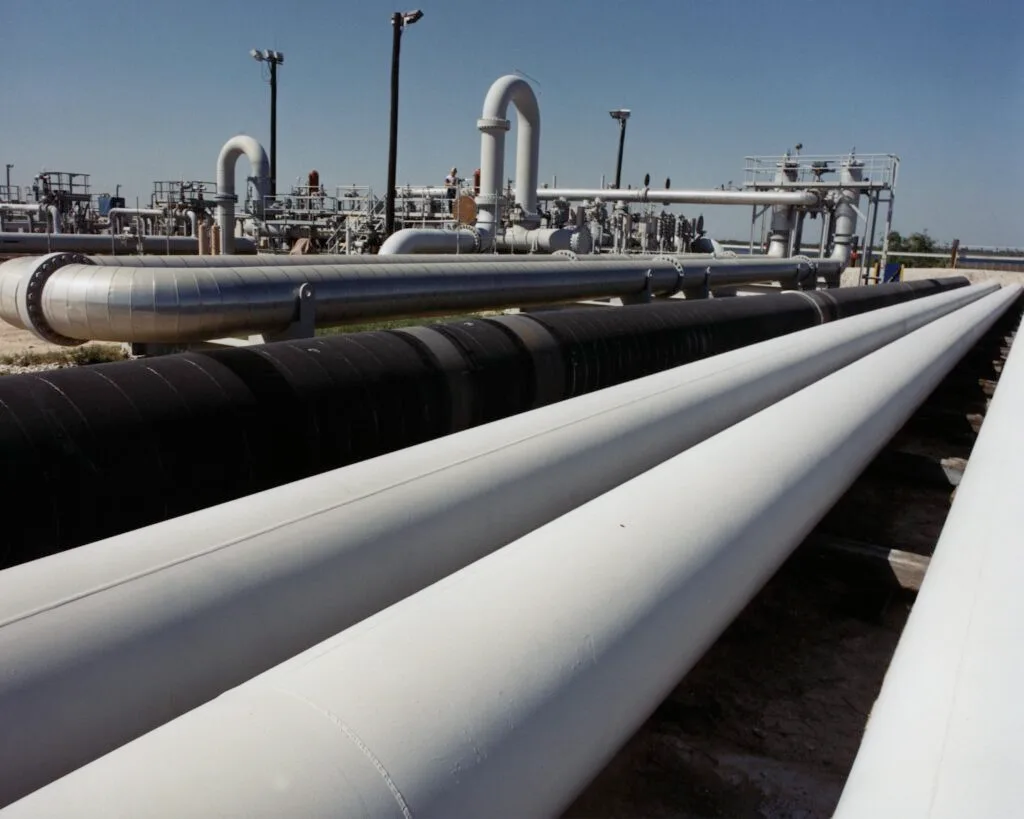
Pipeline de pétrole brut reliant l'Irak à la Turquie
Prix du bitume : pipelines et chaîne de fret maritime qui déterminent le coût rendu

The price of bitumen is no longer decided at the refinery. Maritime chokepoints are often associated with gas pumps or financial market jitters. But for those running infrastructure projects, the reality is far more concrete: it shows up in the cost of the black, sticky binder that holds our roads together.

While petroleum bitumen (HS 271320) represents only a fraction of a crude-oil barrel, it depends entirely on the same global logistics chain. It shares the same specialised heated tankers, is subject to the same war-risk premiums, and waits in the very same maritime queues.

The tightening of the Strait of Hormuz in early 2026 was a sharp reminder of this vulnerability. As Middle East tanker freight rates soared to highs not seen in two decades, the cost of laying asphalt jumped within weeks. It became clear that, in today’s market, the real price of the product — price of bitumen is driven by freight rather than by refinery output.

A World Shaped by Logistics, Far Beyond Simple Supply

The price of bitumen is not a figure like any other, because it is not a commodity like any other. Because it must be kept hot in highly specialized vessels, or carefully packed into jumbo bags and drums, its supply chain is inherently regional and extremely sensitive to transport shocks.

Four major corridors structure global trade:

  • North America: Canada supplying the United States directly.
  • Middle East: the Gulf supplying India and East and Southern Africa.
  • Asia-Pacific: Singapore acting as a vast blending and redistribution hub for South-East Asia and Australia.
  • Mediterranean: a flexible swing basin linking Southern Europe (Greece, Turkey, Spain, Italy) to North and West Africa.

When a single chokepoint like Hormuz seizes up, the shockwave ripples through all these corridors. India, which imports nearly 2.8 million tonnes of bitumen a year from Iraq and the Emirates to sustain its frantic road-building cycle, feels the effects first. At the same time, a force majeure at Singapore’s major refineries can instantly reverberate as far as Australia and Indonesia, forcing them to source barrels thousands of kilometres away.

Bitumen prices: looking beyond the refinery gate

For procurement managers, engineers and infrastructure financiers, treating bitumen as a simple, predictable budget line is no longer tenable. Project resilience now rests on securing the most reliable supply corridor, not merely on finding the cheapest supplier.

To protect their margins from sudden maritime inflation, savvy operators are adapting their strategies:

  • Diversify origins: no longer depending entirely on a single geographic source.
  • Rethink packaging: incorporating flexible containerised solutions, such as jumbo bags or drums, to secure overland or alternative routes without relying solely on the rare and costly bitumen tankers.
  • Build in buffers: drafting tenders from the outset with realistic freight clauses and strategic buffer stocks.

At E-Station, we monitor the chokepoints, the tanker fleets and the shifting logistics routes so that your projects stay on course, however rough the seas. Discover our approach to bitumen trading and supply and our documentary logistics and Incoterms.

Secure your supply

Let’s secure your next supply cycle before the next freight spike weighs on your road budget.

Discover our sourcing and logistics solutions

Frequently asked questions about freight and bitumen prices

Why does maritime freight influence bitumen prices so much?

Bitumen travels on the same specialised tankers as crude oil and is subject to the same war-risk premiums and maritime queues, so freight costs weigh directly on its final price.

What effect did the tightening of the Strait of Hormuz have on bitumen?

Tanker freight rates in the Middle East reached twenty-year highs, causing the cost of laying asphalt to surge within weeks.

Does bitumen represent a significant share of a barrel of crude?

No, petroleum bitumen accounts for only a fraction of a barrel, but it depends entirely on the same global logistics chain as crude oil.

Why are infrastructure projects vulnerable to these tensions?

Because bitumen costs are no longer determined solely at the refinery: they now directly reflect tensions in maritime freight and global oil logistics.

How can the impact of freight on a road project's budget be anticipated?

Support from a specialised broker makes it possible to track freight rate trends and secure bitumen supplies before these tensions affect the project's budget.

Bitumen shortage: how the Hormuz crisis is driving up prices and halting construction sites

Achat bitume
Chantier de construction routière avec rouleau compresseur, illustration de la pénurie de bitume
Road construction.

Every major construction season, damaged roads and potholes resurface. This year, the bitumen shortage has a more distant cause: thousands of kilometers away, in the tense waters of the Strait ofHormuz. Disrupted shipping routes and the regional geopolitical crisis have triggered an unprecedented bitumen shortage, a key raw material for road construction. The result: soaring prices, stalled construction sites, and growing concern among industrial buyers. Here's a closer look.

Bitumen, also known as asphalt, is the petroleum-based binder that binds together the aggregates used in road construction. Its availability depends heavily on Middle Eastern refineries. When tensions rise around Hormuz, the entire chain of oil derivatives tightens, all the way down to the asphalt mix on a country road.

A global crisis that reaches construction sites

The current bitumen shortage does not originate at the plants. Several factors combine to explain this sudden shortage:

  • A strong dependence on Middle Eastern refineries (Iraq, the Emirates, Iran, Oman, Bahrain);
  • High-grade bitumen produced from very specific crude varieties that are difficult to substitute;
  • Disrupted shipping routes and imports in free fall this spring.

While buyers of crude oil have been able, to some extent, to diversify their sources, the same flexibility does not exist for bitumen. Alternatives, such as Russian crude, produce a lower-quality binder, often unsuitable for demanding projects without additional treatment.

Bitumen shortage: prices doubling, construction sites at a standstill

À mesure que l’offre s’est resserrée, prices have soared : sur plusieurs marchés, la tonne de high-grade bitumen a doublé par rapport à l’avant-crise. Pour les entreprises de travaux publics, la facture au kilogramme a bondi bien au-delà des tarifs de référence sur lesquels reposent les marchés déjà signés.

The timing could not have been worse. Road maintenance and resurfacing are planned ahead of the rainy season. This year, many local authorities found themselves unable to proceed, for lack of a binder that had become both scarce and prohibitively expensive. Routine maintenance, rural connectivity projects, tourist routes: everywhere, work came to a standstill.

The public authorities' response: targeted support

Recognizing that the situation stems from exceptional international events rather than ordinary fluctuations, several authorities have approved compensation schemes to offset the extra cost of bitumen on contracts already underway. These mechanisms remain strictly regulated, however: compensation covers only the bitumen component, for clearly defined periods, and treats the crisis as a case of force majeure.

Key takeaway: la sécurité d’approvisionnement en bitume ne dépend pas que des volumes produits, mais aussi de la fiabilité des routes de transport et de la diversification des sources. Une clause de révision de prix protège acheteurs et fournisseurs face à la volatilité.

Secure your bitumen supply with E-Station

Beyond the specific case of bitumen, this episode illustrates a reality well known to buyers of energy commodities: a localized geopolitical shock can ripple far down the value chain. Reducing dependence on a single region, diversifying sources, and securing firm volumes are all effective levers for cushioning these shocks. Platts assessments and Reuters wire reports remain the go-to references for tracking how flows evolve.

E-Station supports industrial buyers and local authorities in sourcing bitumen and derived petroleum products, with a keen understanding of logistics routes and market dynamics. Our trading teams draw on an international network of refineries and terminals to guarantee firm volumes and structure contracts tailored to your risk exposure.

Want to secure your bitumen supply against geopolitical uncertainty? Contact our trading team for a firm quote.

On the same topic:

Frequently asked questions about the bitumen shortage

Why does the Strait of Hormuz influence bitumen availability?

Bitumen availability depends heavily on Middle Eastern refineries. When tensions rise around Hormuz, the entire chain of oil derivatives tightens, all the way down to road asphalt.

What is bitumen and why is it essential to road construction?

Bitumen, also known as asphalt, is the petroleum-based binder that holds together the aggregates used in road construction. Without a reliable supply, projects cannot move forward.

What were the consequences of the Hormuz crisis for construction projects?

Soaring prices, stalled construction sites, and growing concern among industrial buyers facing an unprecedented bitumen shortage.

Is this bitumen shortage a one-off event?

It mainly highlights the bitumen market's structural dependence on regional geopolitical tensions, a risk that can recur as long as these shipping routes remain sensitive.

How can buyers protect themselves against these shortages?

By working with a broker who diversifies supply sources and anticipates geopolitical tensions, it is possible to secure bitumen volumes even during a crisis.

Brent and WTI pull back: what the drop in crude prices means for your purchases

Plateformes pétrolières en mer illustrant la baisse des cours du brut
Prix du brut en repli : plateformes pétrolières en mer illustrant les cotations Brent et WTI

Crude oil prices are pulling back sharply. Oil prices are declining: Brent and WTI are trading around 68 dollars a barrel, weighed down by doubts over global demand and ample supply. A lull that opens a window of opportunity for buyers. Here's a closer look.

After several months of volatility tied to geopolitical tensions, crude prices are easing. This decline, driven by a combination of economic and logistical factors, is reshaping supply prospects for energy professionals.

Why crude oil prices are pulling back

Several factors are converging to explain this easing in Brent and WTI prices:

  • Persistent concerns about a slowdown in global demand;
  • Production kept at a high level by the leading exporting countries;
  • A relative easing of the tensions that had driven prices up.

Brent vs. WTI: what's the difference for your purchases?

Brent, the North Sea crude benchmark, and WTI, the North American index, often move in tandem but with a price spread that reflects regional logistical realities. Tracking both indices helps refine a buying strategy based on supply regions.

A window of opportunity worth seizing

For buyers, a price decline is often a chance to secure volumes on favorable terms. But in such a fast-moving market, timing is critical: anticipating price movements and relying on rigorous market monitoring make all the difference.

Key takeaway: Brent and WTI are pulling back to around $68, weighed down by demand doubts and ample supply. An opportunity for buyers who know how to seize the right moment.

Secure your crude oil purchases at the right time

Taking advantage of market dips requires responsiveness and expertise. E-Station supports professionals in their purchases of crude oil and refined products, with dedicated market monitoring. Contact our experts to optimize your supply strategy.

Crude oil prices in decline: how to take advantage of it for your purchases

A simultaneous pullback in Brent and WTI lowers the crude oil price benchmark crude oil price and passes through, with a lag, to refined products: fuels, heating oil, bitumen. For the buyer, it is an opportunity to secure volumes on favorable terms. Yet one must distinguish an underlying trend from a mere bout of weakness: inventory levels, OPEC+ decisions, global demand and geopolitical premiums shape the trajectory. Analysis from Reuters and quotations from Platts help read these signals.

Faced with a pullback in crude oil prices, savvy buyers combine opportunistic spot purchases and forward contracts to lock in an attractive average price. The market structure (contango or backwardation) guides this choice and determines the value of a long hedge.

Take advantage of falling prices with E-Station

Our trading teams continuously monitor crude oil and refined product prices to help their clients buy at the best moment. We structure spot or forward contracts and secure your volumes at the best differential.

Want to take advantage of a pullback in crude oil prices? Contact our trading team for a firm quote.

For an industrial buyer, a downward-trending crude oil price opens a rare negotiating window: it's the moment to lock in volumes, spread out purchases, and renegotiate freight clauses. The correlation between crude oil prices and those of refined products — including bitumen — remains strong, but it plays out with a lag. Anticipating this lag, rather than being subject to it, makes it possible to turn volatility into a competitive advantage across the entire purchasing campaign.

Frequently asked questions about the drop in crude oil prices

Why are Brent and WTI prices falling?

This easing is explained by persistent concerns over slowing global demand, production being kept at high levels by major exporters, and a relative easing of geopolitical tensions.

What levels are Brent and WTI currently trading at?

Prices are trading around 68 dollars per barrel, a sharp pullback after several months of volatility linked to geopolitical tensions.

Is this price drop an opportunity for buyers?

Yes, this lull opens a window of opportunity for oil product buyers, who can secure volumes on more favourable terms.

Is this price decline sustainable?

It depends on how global demand evolves and on exporters' production discipline; these balances can shift quickly depending on the geopolitical context.

How can a buyer take advantage of this price pullback?

By relying on a broker who monitors the markets continuously, it becomes possible to secure purchases at the right time and structure supply arrangements before any potential price reversal.

Kirkuk-Ceyhan pipeline: Iraq plays the alternative to the Strait of Hormuz

Pipeline de pétrole brut reliant l'Irak à la Turquie

The Kirkuk-Ceyhan pipeline is back at the heart of Iraq's oil strategy: as a 52-year-old agreement reaches its expiry, Iraq is negotiating a new export deal with Turkey. The goal: to secure an outlet route for its crude, an alternative to the Strait of Hormuz. A breakdown of the stakes for oil buyers.

Le pipeline Kirkouk-Ceyhan, artère d'exportation du brut irakien vers la Méditerranée

A historic agreement that is expiring

Baghdad has set up a government committee tasked with negotiating a new agreement with Ankara before the expiry, next month, of the pact governing the pipeline linking Kirkuk to Ceyhan. This infrastructure carries Iraqi crude to a Turkish Mediterranean terminal, from where it is exported to Europe and other markets. Turkey has announced that it is ending the 52-year-old agreement and that a new framework has become necessary.

The committee brings together the Iraqi ministries of oil, finance and foreign affairs, as well as representatives from the Kurdistan region. Its mission: to draft the agreement that will replace the current pact.

Bypassing the Strait of Hormuz

What is at stake goes beyond a simple technical renewal. By securing the overland route to the Mediterranean, Iraq reduces its dependence on the Strait of Hormuz, a strategic passage regularly exposed to geopolitical tensions. Diversifying export outlets means guarding against blockages and smoothing flows towards European markets.

What this changes for buyers

For crude buyers, the stability of export routes is a key factor in supply security. A long-term Kirkuk-Ceyhan pipeline offers a reliable alternative and can weigh on regional price differentials regional. Following these negotiations helps anticipate changes in availability and cost.

Key takeaway: security of supply does not depend on produced volumes alone, but also on the reliability of transport routes. Diversifying outlets is a strategic lever.

Secure your crude oil supply

E-Station supports industrial buyers in the sourcing of crude oil and refined products, with a keen reading of logistics routes and market dynamics.

Kirkuk-Ceyhan pipeline: a logistical issue for your supply

The Kirkuk-Ceyhan pipeline represents a strategic export route that bypasses the Strait of Hormuz, a sensitive chokepoint through which a major share of the world's crude transits. For buyers, a reopening or ramp-up of this route means more Iraqi and Kurdish barrels available in the Mediterranean, with a direct impact on price differentials and freight costs. Dispatches from Reuters and evaluations from Platts remain the go-to references for tracking the state of these flows and anticipating their effects on the markets.

Diversifying supply routes is a key lever for securing supply. Having access to several export terminals (Ceyhan in the Mediterranean, Basrah in the Gulf) reduces exposure to logistical blockages and allows for negotiating more favourable differentials depending on the market window.

Secure your flows with E-Station

Our trading teams draw on an international network of refineries and terminals to guarantee their clients firm volumes of crude and refined products, whatever the logistical configuration. We structure contracts tailored to your risk exposure and manage delivery end to end.

Do you want to secure your supplies against logistical uncertainties? Contact our trading team for a firm quote.

For a buyer, the question is not just whether the Kirkuk-Ceyhan pipeline reopens, but at what pace and at what cost. A partial resumption of Iraqi flows eases the Mediterranean market, but freight premiums remain sensitive to the slightest regional incident. At E-Station, we track these trade-offs day by day to time your purchases to the most favorable windows and avoid price shocks.

Frequently asked questions about the Kirkuk-Ceyhan pipeline

What is the Kirkuk-Ceyhan pipeline?

It is an infrastructure that carries Iraqi crude to a Turkish Mediterranean terminal, from where it is exported to Europe and other markets.

Why is this agreement being renegotiated?

The historic 52-year agreement governing the pipeline is expiring, and Turkey has announced it will end it, making a new export framework necessary.

How is this pipeline an alternative to the Strait of Hormuz?

It gives Iraq an overland export route for its crude, reducing its dependence on maritime transit through the Strait of Hormuz, a chokepoint sensitive to geopolitical tensions.

Who is negotiating this new agreement on the Iraqi side?

A government committee bringing together the Iraqi ministries of oil, finance, and foreign affairs has been tasked with negotiating the new framework with Ankara.

What is at stake in this agreement for oil buyers?

Securing this export route directly influences the reliability and diversification of Iraqi crude supplies to European markets.

Iraq targets 7 million barrels per day: what opportunities for your supply?

Plateforme pétrolière illustrant la hausse de la production de brut en Irak

For a buyer, the question of crude oil supply is taking on new urgency: Baghdad has set out a clear ambition: to raise Iraqi oil production to 7 million barrels per day within three years. A jump of more than 50% that is redrawing the supply map in the Middle East. A breakdown for buyers of crude and refined products.

Sécuriser son approvisionnement en brut face à la hausse de production irakienne

OPEC's second-largest producer, Iraq wants to move up a league. After months marked by regional tensions, the country says it intends to ramp up production sharply and is now positioning itself as an essential supplier to international markets.

A production target up more than 50%

The goal is ambitious: to move from around 4.2 to 4.5 million barrels per day to 7 million within a three-year horizon. This ramp-up rests on several concrete levers:

  • the rehabilitation of existing oil fields after the regional disruptions;
  • opening up to foreign investment, notably from US energy companies;
  • the development of new extraction and export infrastructure.

The OPEC quota bottleneck

One major obstacle remains: the production quotas set by OPEC+. To reach its target, Iraq will have to negotiate greater flexibility within the alliance. A diplomatic challenge as much as an industrial one, which will determine the real pace of this ramp-up and, in turn, the volumes available for export.

A return to pre-war levels… and beyond

This strategy reflects Baghdad's determination to turn the page on recent conflicts and return to dynamic production. For international buyers, a more abundant Iraqi supply could ease pressure on crude prices and diversify sources of supply in a still-unstable region.

Key takeaway: Iraq is targeting 7 million b/d within three years (+50%), betting on foreign investment. The main brake remains the flexibility of OPEC quotas. The upside for buyers: more volumes and a possible easing of prices.

Secure your supply of petroleum products

In a market where supply is shifting fast, anticipation is essential. E-Station supports professionals in the supply of crude and refined products, with solutions tailored to your volumes and lead times. Contact our experts to secure your purchases.

What the Iraqi production increase means for your crude supply

For a buyer, a ramp-up in Iraqi supply could potentially mean more cargoes available for export from Basrah and Ceyhan, downward pressure on quality differentials (Basrah Medium, Basrah Heavy), and new negotiating windows. Securing good crude supply does, however, require monitoring market signals: official grade quotations (OSPs), shipping freight levels, and changes in OPEC+ quotas. The benchmarks Platts and Argus, as well as dispatches from Reuters, remain the essential references for anticipating price movements and logistical tensions in the Gulf.

In practice, competitive crude supply rests on three levers: diversifying sources (Middle East, West Africa, North Sea), hedging price risk through indexed or fixed-price contracts, and reliable logistics through to the delivery point. This is precisely the added value of a trader with an international network of refineries and terminals.

Secure your crude supply with E-Station

E-Station supports refiners, industrial companies and traders in securing their volumes of crude oil and refined products. We structure contracts tailored to your exposure, mobilise diversified supply sources and manage logistics end to end to guarantee compliant, on-time deliveries.

Want to take advantage of the shifting supply to optimise your purchases? Contact our trading team for a firm quote on your crude supply.

Frequently asked questions about the rise in Iraqi oil production

What is Iraq's oil production target?

Baghdad aims to raise its production to 7 million barrels per day within three years, up from roughly 4.2 to 4.5 million currently, an increase of more than 50%.

Why does this ambition matter to buyers?

Such a ramp-up reshapes the supply map in the Middle East and can open up new sourcing opportunities for crude and refined product buyers.

Is Iraq already a major player in OPEC?

Yes, Iraq is OPEC's second-largest producer and is seeking to move up a gear after months marked by regional tensions.

What levers underpin this production ramp-up?

Several concrete levers are being mobilised, including the development of new fields and improvements to export infrastructure, to support this production increase.

How can a buyer position itself for this development?

By relying on a broker who tracks these supply dynamics, it becomes possible to anticipate the opportunities created by new Iraqi volumes entering the market.

Iranian oil: why buyers now pay a premium

Barils de pétrole brut symbolisant les exportations iraniennes

Iranian oil is changing status in the market: Long sold at a steep discount, Iranian crude is now trading at a premium. Faced with sustained demand from its main Asian customers and regional logistical strains, Tehran is trimming its discounts. A breakdown for international buyers.

Le pétrole iranien se négocie désormais avec un premium sur le marché

The Iranian oil market is undergoing a notable reversal. While discounts reached record levels in recent years, Iran is now managing to sell its volumes at a more favourable margin. A strong signal for the entire supply chain.

A premium that reflects the strength of demand

The narrowing of discounts is explained above all by the sustained appetite of Asian refiners, ready to secure their cargoes amid uncertainty. This momentum has allowed Iran to tighten the price gap with other benchmark crudes, turning a structural discount into a commercial advantage.

Volumes that remain substantial

Despite a complex geopolitical environment, export flows remain high, with tens of millions of barrels shipped to customer markets. For buyers, this means supply is still available, but on less advantageous terms than before:

  • discounts sharply reduced from their historical lows;
  • Asian demand supporting prices;
  • strained regional logistics driving up costs.

What this changes for your purchases

The end of massive discounts reshuffles the deck for importers accustomed to floor prices. Anticipating price movements and diversifying sources becomes essential to protect margins in a market where every barrel counts.

Key takeaway: Iranian crude now sells at a premium, driven by strong Asian demand. Volumes remain high, but the historical discounts are a thing of the past.

Secure your crude supply

In such a volatile market, relying on a trusted partner makes the difference. E-Station supports professionals in the supply of crude oil and refined products, with tailored solutions. Contact our experts to optimise your purchases.

Iranian oil: a premium that reflects geopolitical risk

The premium paid on Iranian crude reflects, above all, a risk premium: international sanctions, uncertainty over the volumes actually exportable, and logistical complexity all drive up the cost of accessing these barrels. For the buyer, the issue is not just the quoted price but the legal and operational security of the transaction. Analysis published by Reuters and price evaluations from Platts remain the go-to references for tracking how differentials evolve and how regional tensions affect flows.

In this context, diversifying supply sources becomes a strategic imperative. Rather than exposing themselves to a geopolitical premium, many buyers secure equivalent volumes from alternative grades (non-sanctioned Middle East, West Africa, North Sea), negotiated within a compliant and traceable framework.

Secure compliant barrels with E-Station

E-Station mobilises an international network of refineries and terminals to offer its clients diversified supply sources, compliant with current regulations and competitively priced. We help you avoid unnecessary risk premiums while guaranteeing the availability of your volumes.

Looking for a reliable, compliant alternative? Contact our trading team for a firm quote on your crude supplies.

In practice, the price gap on Iranian oil ripples through all the substitute crudes our buyers track. When discounted barrels become scarce, refiners turn to other origins and push premiums higher. For your supplies, the issue is no longer just the quoted price, but the reliability of the documentary chain and the compliance of cargoes. We verify these points upfront to spare you unpleasant surprises at delivery.

Frequently asked questions about the Iranian oil premium

Why is Iranian oil now trading at a premium?

Faced with sustained demand from its main Asian customers and regional logistics tensions, Iran has cut its discounts, which had previously reached record levels.

Who are the main buyers of Iranian oil?

Asian refiners are the main customers, ready to secure their cargoes amid uncertainty over regional supplies.

What does this narrowing of the Iranian discount mean for the market?

It is a strong signal for the entire supply chain: the price gap between Iranian crude and other benchmark crudes is narrowing, reflecting stronger demand.

Is this change lasting?

It depends on how Asian demand and the regional geopolitical context evolve, two factors that could shift discount levels again.

How can a buyer track the evolution of these premiums?

A specialised broker monitors these market dynamics continuously and helps adjust purchasing strategies as regional discounts and premiums evolve.