
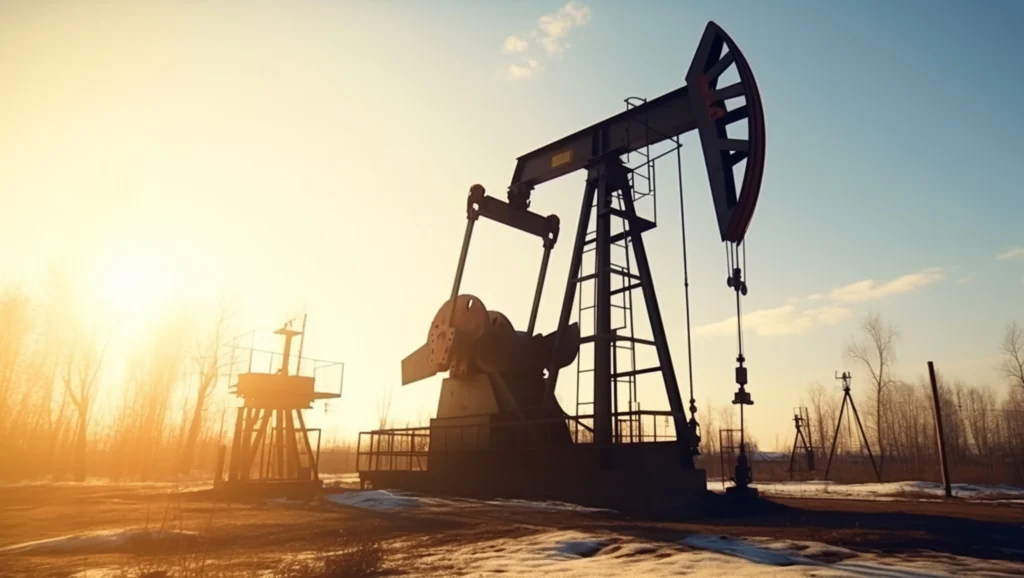
For a buyer, the question of crude oil supply is taking on new urgency: Baghdad has set out a clear ambition: to raise Iraqi oil production to 7 million barrels per day within three years. A jump of more than 50% that is redrawing the supply map in the Middle East. A breakdown for buyers of crude and refined products.
OPEC's second-largest producer, Iraq wants to move up a league. After months marked by regional tensions, the country says it intends to ramp up production sharply and is now positioning itself as an essential supplier to international markets.
A production target up more than 50%
The goal is ambitious: to move from around 4.2 to 4.5 million barrels per day to 7 million within a three-year horizon. This ramp-up rests on several concrete levers:
- the rehabilitation of existing oil fields after the regional disruptions;
- opening up to foreign investment, notably from US energy companies;
- the development of new extraction and export infrastructure.
The OPEC quota bottleneck
One major obstacle remains: the production quotas set by OPEC+. To reach its target, Iraq will have to negotiate greater flexibility within the alliance. A diplomatic challenge as much as an industrial one, which will determine the real pace of this ramp-up and, in turn, the volumes available for export.
A return to pre-war levels… and beyond
This strategy reflects Baghdad's determination to turn the page on recent conflicts and return to dynamic production. For international buyers, a more abundant Iraqi supply could ease pressure on crude prices and diversify sources of supply in a still-unstable region.
Key takeaway: Iraq is targeting 7 million b/d within three years (+50%), betting on foreign investment. The main brake remains the flexibility of OPEC quotas. The upside for buyers: more volumes and a possible easing of prices.
Secure your supply of petroleum products
In a market where supply is shifting fast, anticipation is essential. E-Station supports professionals in the supply of crude and refined products, with solutions tailored to your volumes and lead times. Contact our experts to secure your purchases.
What the Iraqi production increase means for your crude supply
For a buyer, a ramp-up in Iraqi supply could potentially mean more cargoes available for export from Basrah and Ceyhan, downward pressure on quality differentials (Basrah Medium, Basrah Heavy), and new negotiating windows. Securing good crude supply does, however, require monitoring market signals: official grade quotations (OSPs), shipping freight levels, and changes in OPEC+ quotas. The benchmarks Platts and Argus, as well as dispatches from Reuters, remain the essential references for anticipating price movements and logistical tensions in the Gulf.
In practice, competitive crude supply rests on three levers: diversifying sources (Middle East, West Africa, North Sea), hedging price risk through indexed or fixed-price contracts, and reliable logistics through to the delivery point. This is precisely the added value of a trader with an international network of refineries and terminals.
Secure your crude supply with E-Station
E-Station supports refiners, industrial companies and traders in securing their volumes of crude oil and refined products. We structure contracts tailored to your exposure, mobilise diversified supply sources and manage logistics end to end to guarantee compliant, on-time deliveries.
Want to take advantage of the shifting supply to optimise your purchases? Contact our trading team for a firm quote on your crude supply.
Frequently asked questions about the rise in Iraqi oil production
What is Iraq's oil production target?
Baghdad aims to raise its production to 7 million barrels per day within three years, up from roughly 4.2 to 4.5 million currently, an increase of more than 50%.
Why does this ambition matter to buyers?
Such a ramp-up reshapes the supply map in the Middle East and can open up new sourcing opportunities for crude and refined product buyers.
Is Iraq already a major player in OPEC?
Yes, Iraq is OPEC's second-largest producer and is seeking to move up a gear after months marked by regional tensions.
What levers underpin this production ramp-up?
Several concrete levers are being mobilised, including the development of new fields and improvements to export infrastructure, to support this production increase.
How can a buyer position itself for this development?
By relying on a broker who tracks these supply dynamics, it becomes possible to anticipate the opportunities created by new Iraqi volumes entering the market.
Aucun commentaire pour l'instant!