
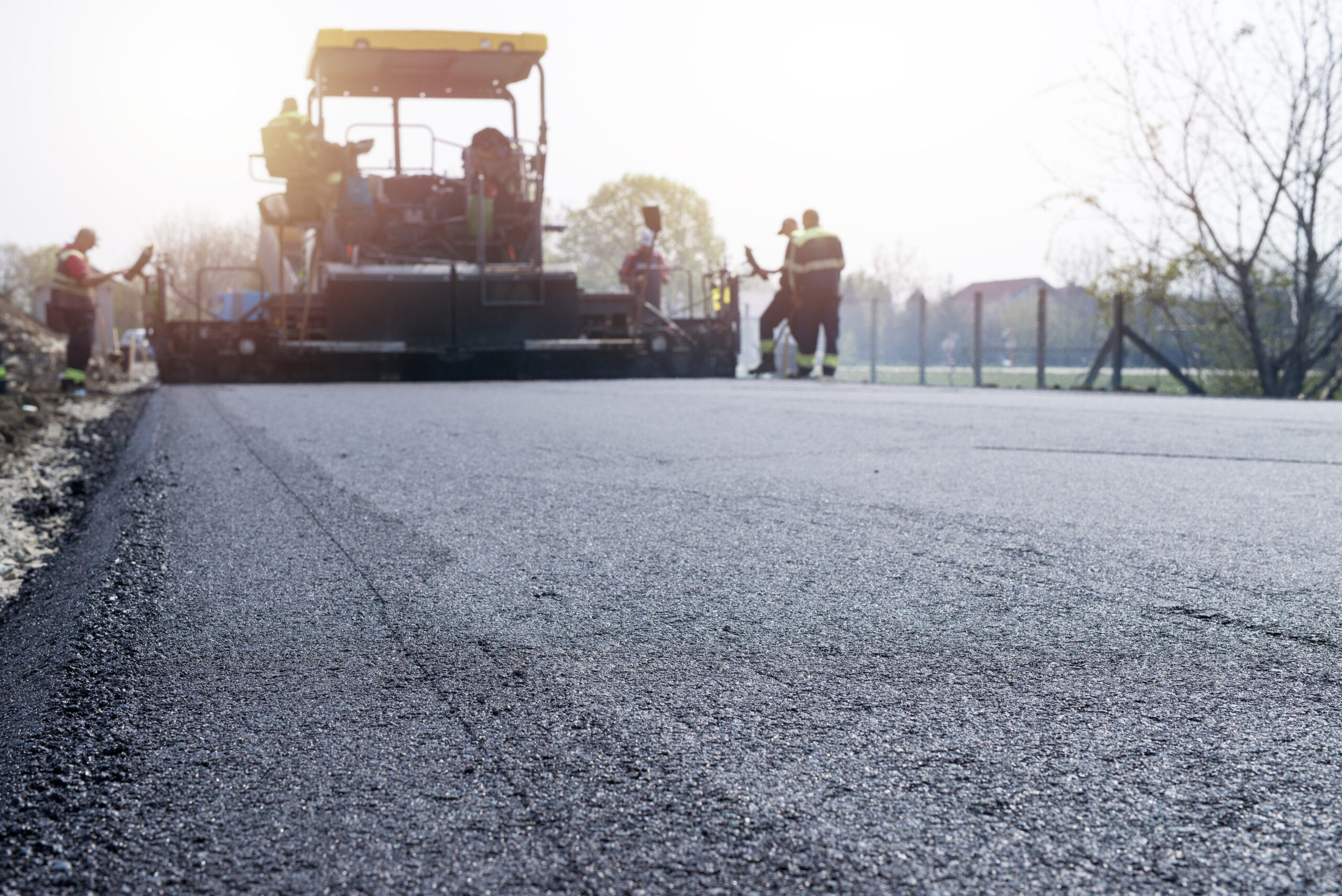
Warm mix asphalt occupies a growing place between conventional hot mix asphalt and cold asphalt. The principle: lower the production and laying temperature while keeping performance close to that of a hot mix. The result is less energy consumed and better working conditions, with durability maintained. We follow these techniques because they change the logistics and the environmental picture.
Here is what characterises warm mix asphalt and what it really delivers.
The principle of warm mix asphalt
A conventional hot mix is produced at high temperature. Warm mix reduces that temperature by several tens of degrees thanks to processes that improve the workability of the binder at lower heat. The aim is to keep good coating of the aggregates and lasting cohesion, while working at a lower temperature. The result targets performance comparable to that of a hot mix asphalt used as a reference.
Need cold asphalt? We deliver Époxy végétal in one-tonne big bags anywhere in mainland France, with traffic possible 10 minutes after laying. Choose your department and the delivered price is displayed.
Order cold asphaltThe practical benefits
The lower temperature means lower energy consumption in production and reduced emissions and fumes on site, which improves working conditions for the crews. It also lengthens the laying window: a mix that leaves the plant less hot stays workable a little longer, a logistical advantage on medium-distance hauls.
- Energy: reduced production temperature, hence less fuel.
- Working conditions: less fume and heat at the workstation.
- Logistics: potentially wider laying window.
The role of the binder
The performance of a warm mix rests on control of the binder and of the associated processes. The grade is still chosen according to climate and traffic, as for a conventional hot mix; it is the heating technique that changes. The choice of grade therefore keeps all its logic.
When to prefer a warm mix
Warm mix comes into its own on sites where energy reduction and working conditions matter, as well as on medium-distance hauls where the wider laying window is a real asset. It also interests clients attentive to the environmental footprint of their works. On a very conventional local site, the difference from a hot mix may be less decisive, but the energy benefit remains.
Points to watch
Warm mix calls for the same rigour as any other technique: its success depends on well-controlled formulation and laying. Poorly controlled temperature or a badly applied process can reduce the expected benefits. As with any asphalt, the quality of the binder and compliance with the compaction window remain decisive. The cost can also vary with the process chosen: the decision is made on overall cost, including the energy saving and the service life, rather than solely on the binder price.
Frequently asked questions
Does a warm mix perform less well than a hot mix?
The aim is to achieve comparable performance. Well formulated and well laid, it targets the same durability while consuming less energy.
Is warm mix a cold asphalt?
No: it is still heated, but at a reduced temperature. Cold asphalt requires no heating and is intended for other uses.
Is a special binder needed?
The grade is chosen as usual according to climate and traffic; it is the heating process that sets warm mix apart.
Need a quotation? E-Station draws up a priced offer, grade by grade, with a certificate of analysis and specified delivery terms. Request a quotation.
No comments yet!