

CEE and electrification certificates: understanding the evolution of energy transition support

CEE et certificats d’électrification - aides transition énergétique, valorisation E-Station
Les CEE et les certificats d'électrification, leviers de financement de la transition énergétique

The CEE scheme is evolving, with the possible emergence of electrification certificates. What these changes mean for financing your energy projects.

Toward an evolution of the CEE scheme

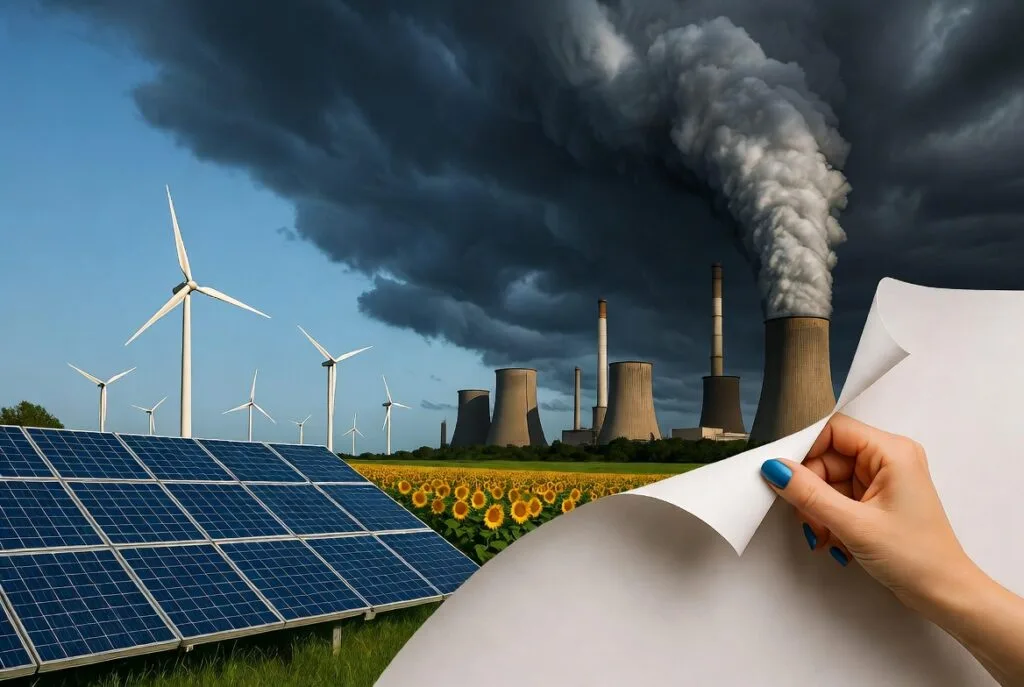
The Energy Savings Certificates scheme, a pillar of French energy efficiency policy for nearly twenty years, is under review for potential changes. The emergence of new mechanisms, such as electrification certificates, could reshape the landscape of energy transition support.

For companies and local authorities financing their projects through these schemes, understanding these changes is essential to secure their investments.

Why these changes are being debated

  • The acceleration of electrification across uses (heating, mobility, industry).
  • The desire to better target the energy savings actually achieved.
  • The search for a more readable and more effective scheme.
  • Alignment with European climate targets.

How to prepare for it?

Secure your ongoing projects

Projects well structured today remain eligible. The key is not to needlessly postpone applications that can still benefit from the current CEE.

Stay supported by an up-to-date expert

Rules change regularly. A specialized partner tracks these changes and adapts the monetization strategy accordingly.

Key takeaway: whether the scheme is called CEE or electrification certificates, the goal remains the same: financing the energy transition. To anticipate is to protect your financing.

Take stock of your certificates

E-Station helps you navigate the evolution of these schemes and secure the monetization of your certificates.

Talk to a CEE expert

What CEE certificates change for your energy projects

In practice, CEE certificates remain one of the main financing levers for energy efficiency works today. A company that insulates a building, replaces a boiler or optimizes an industrial process can monetize the savings achieved in the form of certificates, resold to parties obligated under the scheme. The value of these CEE certificates fluctuates according to supply and demand, which makes the timing of monetization just as important as the theoretical amount of support.

The possible introduction of electrification certificates adds a further dimension. By directing support toward low-carbon electric uses, the government would be seeking to accelerate the shift away from fossil fuels. For a project developer, this means that the same investment could, in the future, qualify for different mechanisms depending on its nature. Structuring the financing plan upfront therefore becomes crucial.

Anticipating rather than being caught out by the reform

No one yet knows the final timeline for these changes, but the broad direction has been set. Those who closely follow regulatory decisions, often reported by the specialist energy press, will be best placed to adjust their projects and secure the monetization of their CEE certificates. At E-Station, we support this monitoring so that your financing does not suffer from a poorly anticipated rule change.

Frequently asked questions about CEE and electrification certificates

What are electrification certificates?

They are new mechanisms being considered to evolve the CEE scheme, in response to the acceleration of electrification across uses: heating, mobility and industry.

Why is the CEE scheme set to evolve?

Public authorities are seeking to better target the energy savings actually achieved, make the scheme clearer and more effective, and align it with decarbonization goals.

What impact do these changes have on projects already financed through CEE certificates?

A poorly anticipated rule change can affect the value of certificates. Regulatory monitoring is therefore essential to adjust projects and secure financing.

Who is affected by these changes to the CEE scheme?

Companies and local authorities that finance their energy projects through CEE certificates are directly affected, as the structure and valuation rules may change.

How can you secure the value of your CEE certificates in the face of these changes?

Working with a specialized broker makes it possible to continuously track regulatory developments and adapt one's monetization strategy before a rule change affects financing.

CEE: how to finance your energy renovation with energy savings certificates

Financer sa rénovation énergétique avec les CEE - valorisation E-Station courtier en énergies
Financer sa rénovation énergétique grâce aux CEE

Energy Savings Certificates finance a large share of energy renovation projects, including for public and hospital facilities. Here's how it works.

CEE, a financing lever for energy renovation

Energy Savings Certificates (CEE) are one of the main financing mechanisms for energy renovation in France. They require energy suppliers to promote energy savings actions, which translate into rebates for beneficiaries: companies, local authorities and public institutions.

For an organization undertaking renovation work, CEE can cover a significant share of the investment, provided the application is well structured.

Who can benefit from it?

  • Industrial and service-sector companies.
  • Local and regional authorities.
  • Public institutions, including hospitals.
  • Landlords and asset managers.

Healthcare facilities, for example, have strong energy savings potential and are encouraged to leverage CEE to finance their renovation.

How to maximize your CEE?

Anticipate from the project design stage

CEE must be integrated upstream of the work. A late setup means losing part of the funding.

Rely on a specialized broker

A CEE broker secures the monetization, optimizes the price of certificates and makes the administrative application reliable.

How much can an energy renovation project earn?

The amount of CEE premiums depends on the type of work, its performance and the climate zone. For a large-scale energy renovation, insulation, heating system replacement, ventilation, the value can cover 10 to 30% of the cost of the work, sometimes more for the most efficient projects. The rule is simple: the more measurable and lasting the energy savings, the more valuable the file.

Timing matters just as much as the amount. Certificate prices change over the course of obligation periods, and a file monetized at the right time earns significantly more. This market dynamic, closely followed by energy industry players and reported in the specialist press, deserves to be factored in from the project design stage rather than dealt with after the fact.

Costly mistakes

Many project developers start their work before securing their CEE file, which makes certain expenses ineligible. Others underestimate the value of their certificates for lack of comparison. Support from the outset avoids these pitfalls and turns energy renovation into a better-financed investment.

Key takeaway: when properly leveraged, CEE finance a significant share of energy renovation projects. Support from an expert makes all the difference.

Finance your renovation with CEE

E-Station, a CEE broker, supports you in getting the best value from your energy savings certificates.

Discover our CEE solutions

Frequently asked questions about CEE and energy renovation

Who can benefit from CEE to finance an energy renovation?

Industrial and service-sector companies, local authorities, public institutions (including hospitals) as well as landlords and asset managers can leverage CEE to finance their energy renovation work.

What share of the work can CEE finance?

Depending on the type of work and its energy performance, CEE valuation can cover 10 to 30% of the cost of a renovation, sometimes more for the most efficient projects.

When should CEE be factored into a renovation project?

CEE must be planned from the project design stage, before work begins. A setup engaged too late can make certain expenses ineligible and reduce the financing obtained.

Why use a broker to monetize your CEE certificates?

A specialized broker secures the monetization of certificates, optimizes their sale price according to market timing, and makes the administrative setup of the file more reliable.

Does the price of CEE vary over time?

Yes, certificate prices evolve according to the obligation periods. Monetizing your file at the right time makes it possible to obtain significantly higher financing for your renovation work.

Biomethane fuel: bioGNV for decarbonized heavy mobility

Biométhane carburant bioGNV pour mobilité lourde - approvisionnement E-Station courtier en énergies
Le biométhane carburant (bioGNV) au service de la mobilité lourde décarbonée

A renewable fuel made from waste, biomethane is establishing itself in heavy mobility. BioGNV and dual-fuel engines: a tangible lever for decarbonizing fleets.

Biomethane, the fuel of sustainable mobility

Beyond injection into the grid, biomethane is asserting itself as a high-performance transport fuel. In the form of bioGNV (renewable-origin natural gas for vehicles), it already powers fleets of heavy trucks, buses and vans, with a very favorable carbon footprint.

Dual-fuel engines, able to combine several energy sources, further broaden the range of options for carriers.

Why fleets are adopting bioGNV

  • A significant reduction in CO2 emissions compared with diesel.
  • Range and logistics compatible with professional uses.
  • Lower noise and air pollution in urban areas.
  • Energy produced locally from waste.

What's at stake for transport companies?

Greening your fleet without sacrificing performance

BioGNV makes it possible to decarbonize heavy transport, where electrification remains complex. It is a mature and available solution.

Showcase the renewable origin

The biogas certificates guarantee and certify the renewable nature of the fuel used.

A fuel finding its market

This fuel is no longer just a laboratory promise: the network of bioGNV stations is growing denser and manufacturers now offer certified road tractors. For a carrier, the equation becomes clear, a competitive cost per kilometre, a documented reduction in carbon footprint and an image consistent with shippers' expectations. What remains is to secure supply over the long term, an essential condition for making the investment in a dedicated fleet profitable.

Securing the biomethane supply

The main obstacle to the development of this fuel remains visibility over available volumes. A fleet only makes sense if the carrier has a supply guarantee compatible with its routes. This is where structured support makes the difference: securing supply contracts, combining local renewable gas production with grid injection, and anticipating the evolution of the traceability certificates that add value to the renewable nature of this gas.

For transport companies, bioGNV thus represents a dual lever: concretely reducing their emissions while stabilizing part of their energy budget in the face of fossil fuel volatility, provided it is treated as a project in its own right, driven from the outset, rather than a simple choice of engine. This is the comprehensive approach we favor for every biomethane project.

Key takeaway: biomethane fuel offers carriers a concrete path to decarbonization, complementary to electric, with genuine traceability.

Decarbonize your fleet with biomethane

E-Station supports carriers in monetizing biomethane and the associated biogas certificates.

Discover our solutions

Biomethane fuel: a mature solution for heavy mobility

The biomethane converted into bioGNV (renewable-origin natural gas for vehicles) is emerging as a credible alternative to diesel for heavy trucks, buses and refuse trucks. The upside: a massive reduction in CO2 emissions across the whole cycle, near-zero particulates and a competitive cost per kilometre. Driven by the development of refuelling stations and by a favourable regulatory framework, this market is structuring rapidly in Europe. Developments in these energy sectors are tracked by reference sources such as Reuters.

For carriers and fleet managers, switching to biomethane means securing a reliable supply and traceable guarantees of origin. For producers, the challenge is to find the right outlets and get the best value from their output. In both cases, a specialised partner brings decisive expertise.

Structure your biomethane project with E-Station

E-Station supports producers, carriers and industrial players in monetising and sourcing biomethane and bioGNV. We secure your outlets, structure your contracts and help you get the best value from your guarantees of origin.

Do you produce or consume biomethane? Contact our teams to structure your project.

Frequently asked questions about biomethane fuel and bioGNV

What is bioGNV?

It is renewable-origin natural gas for vehicles, produced from biomethane, a fuel made from waste that already powers fleets of heavy trucks, buses and vans.

Why are transport fleets adopting bioGNV?

It allows a significant reduction in CO2 emissions compared with diesel, a range compatible with professional uses, and less noise and air pollution in urban areas.

What is a dual-fuel engine?

It is an engine capable of combining several energy sources, which broadens the range of possible uses of bioGNV for carriers.

Is biomethane only used as a fuel?

No, beyond its use as a mobility fuel, it can also be injected into existing gas networks.

Is bioGNV suited to heavy mobility?

Yes, it stands out precisely as a concrete decarbonization lever for fleets of heavy trucks and buses, segments where electric alternatives remain limited.

From biogas to hydrogen: the technology that monetizes renewable gas and stores carbon

Du biogaz à l’hydrogène vert - garanties d’origine et négoce E-Station courtier en énergies
Valoriser le biogaz en hydrogène et stocker le carbone

Converting biogas into renewable hydrogen while storing carbon: European projects are validating this forward-looking technology. A breakdown for industrial players.

From biogas to hydrogen: a new monetization path

Beyond injection into the grid, biogas opens up promising prospects: its conversion into renewable hydrogen. European projects are now validating technologies capable of transforming biogas into hydrogen while producing solid carbon, thereby contributing to carbon storage.

This approach illustrates the growing convergence between the renewable gas, hydrogen and carbon capture sectors.

Why this innovation matters

  • It broadens biogas outlets beyond heating and mobility.
  • It produces low-carbon hydrogen from a local and renewable resource.
  • The co-produced solid carbon can be stored durably or used industrially.
  • It strengthens the resilience of biogas-producing regions.

What outlets for companies?

Secure truly renewable hydrogen

For industrial hydrogen consumers, having reliable guarantees of origin becomes essential. The guarantees of origin for green hydrogen make it possible to prove the renewable nature of the energy consumed.

Anticipate carbon markets

The production of storable solid carbon is part of the momentum of the fast-growing carbon capture and storage markets.

A sector reaching greater maturity

The conversion of renewable gas into hydrogen long existed only at demonstrator scale. These processes are now moving toward industrial scale, driven by favorable public policies and growing demand for decarbonized hydrogen in industry and heavy mobility. Coupling with carbon capture strengthens the appeal of the model: instead of simply avoiding emissions, it becomes possible to remove them, paving the way for genuinely negative footprints.

For a producer or industrial player, the challenge lies in assessing very early the best monetization pathway based on their resource, location and accessible outlets. Injecting into the grid, generating electricity, powering a fleet or targeting hydrogen: each option has its own economic rationale. Support from the feasibility study stage onward makes it possible to decide on solid grounds rather than locking in a choice too early.

Key takeaway: converting biogas into hydrogen and solid carbon opens new strategic outlets for industrial players committed to decarbonization.

Secure your renewable hydrogen

E-Station supports industrial players with guarantees of origin and certificates related to hydrogen and biogas.

Discover our hydrogen solutions

Biogas: a strategic resource for industrial decarbonization

The biogas from anaerobic digestion opens up multiple outlets: injection of biomethane into the grid, bioGNV fuel, and now the production of low-carbon hydrogen coupled with carbon capture. This cascading monetization strengthens the economic appeal of digestion units and aligns with European carbon-neutrality goals. For industrial players and producers, understanding these sectors is essential to optimise the value of their resource. News on these energy markets is tracked by reference sources such as Reuters.

The profitability of a biogas project depends as much on the technology chosen as on the monetization of the products and co-products: energy, guarantees of origin, carbon credits. Surrounding yourself with a partner able to structure these flows and secure commercial outlets often makes the difference between a viable project and one on a fragile footing.

Monetise your biogas with E-Station

E-Station supports producers and industrial players in monetising biogas and its derivatives: biomethane, bioGNV, guarantees of origin. We help you secure your outlets and optimise the value of your output in a market that is still taking shape.

Do you produce or plan to produce biogas? Contact our teams to get the best value from your output.

Frequently asked questions about converting biogas into hydrogen

How can biogas be converted into hydrogen?

European projects are validating technologies capable of transforming biogas into renewable hydrogen while producing solid carbon, thereby contributing to carbon storage.

What is the benefit of producing hydrogen from biogas?

It makes it possible to produce low-carbon hydrogen from a local and renewable resource, while broadening biogas outlets beyond heating and mobility.

What happens to the carbon during this conversion?

The process produces solid carbon, which contributes to carbon storage rather than its release into the atmosphere.

Has this technology already been validated at industrial scale?

European projects are now validating this technology, illustrating the growing convergence between the renewable gas, hydrogen and carbon capture sectors.

Who is affected by this innovation?

Industrial players looking to monetize renewable gas or secure a supply of low-carbon hydrogen are directly affected by this emerging technology.

Biomethane 2026: a European market taking shape for companies

Biométhane et certificats - marché européen, achat et négoce E-Station courtier en énergies
Le marché européen du biométhane se structure en 2026

The biomethane market is taking shape across Europe with the arrival of dedicated marketplaces. An overview of a key sector of the energy transition.

Biogas and biomethane: what's the difference?

Biogas is produced through the anaerobic digestion of organic matter (agricultural waste, sludge, biowaste). Once purified, it becomes biomethane, whose characteristics are equivalent to those of natural gas. Biomethane can then be injected into the grid, used as a fuel or monetized through certificates.

This sector is at the heart of the energy transition: it turns waste into renewable, local energy while reducing emissions.

A European market taking shape

The biomethane sector continues to grow and is structuring rapidly at the European level. The creation of dedicated marketplaces aims to streamline trading and give visibility to producers and buyers alike.

  • Steady growth in biomethane injection capacity.
  • Emergence of European market platforms.
  • Increased demand for transparency and traceability.
  • Calls from the sector for swift and stable public decisions.

Why companies are interested

Decarbonize your gas consumption

For an industrial company, incorporating biomethane helps reduce the carbon footprint of its processes without changing its equipment.

Monetize through certificates

The biomethane certificates and biogas certificates make it possible to trace and showcase the renewable origin of the energy consumed.

What market structuring concretely changes

Until now, trading largely relied on over-the-counter agreements that were hard to read and difficult to compare. The emergence of dedicated marketplaces brings price references, better liquidity and common traceability rules. For a company, this means more transparent contracts and a greater ability to secure its volumes over the long term. This newfound maturity brings the sector closer to how conventional energy markets operate, while retaining its low-carbon dimension. Anticipating this evolution, rather than undergoing it, remains the best way to benefit from it.

This dynamic concerns players of all sizes. A single industrial site, just like a multi-site group, can benefit from it, provided the strategy is adapted to its volumes and decarbonization objectives. The right approach is to frame the project with a partner who masters the contractual, regulatory and logistical aspects, in order to avoid decisions made under pressure.

Key takeaway: biomethane combines local energy, reduced emissions and value creation through certificates. An asset for companies committed to the transition.

Monetize your renewable energy

E-Station supports companies in purchasing biomethane and monetizing it through biogas and biomethane certificates.

Discover our biomethane solutions

Biomethane market 2026: opportunities for companies

In 2026, the European market for biomethane is structuring under the combined effect of REPowerEU targets, national support mechanisms and growing corporate demand for low-carbon energy. For industrial players, this renewable gas is both a decarbonization lever (through guarantees of origin) and a hedge against fossil-gas volatility. Understanding the price and volume dynamics is therefore essential. News on these energy markets is tracked by reference sources such as Reuters.

For a company, securing biomethane and its guarantees of origin means anticipating its needs, contracting firm volumes and showcasing its decarbonization commitment to its clients and stakeholders. A specialised partner helps structure these operations and optimise their value.

Source your biomethane with E-Station

E-Station supports companies and industrial players in sourcing biomethane and monetising guarantees of origin. We structure your contracts, secure your volumes and help you meet your decarbonization goals.

Do you want to incorporate biomethane into your energy mix? Contact our teams for a tailored offer.

Frequently asked questions about the European biomethane market

What is the difference between biogas and biomethane?

Biogas is produced through the anaerobic digestion of organic matter; once purified, it becomes biomethane, a green gas whose characteristics are equivalent to those of natural gas.

How can biomethane be monetized?

It can be injected into gas networks, used as a fuel, or monetized through renewable origin certificates.

Why is it said that the biomethane market is structuring in Europe?

The creation of dedicated marketplaces at the European level aims to streamline trading and give more visibility to industry players.

How does biomethane contribute to the energy transition?

It turns organic waste into renewable, local energy while reducing emissions compared with fossil fuels.

How can a company source biomethane or monetize its certificates?

A specialized broker can help secure biomethane supplies or optimize the monetization of certificates on this rapidly structuring European market.

Sustainable aviation fuel (SAF): decarbonization of air transport is accelerating

Acheter du carburant durable d’aviation (SAF) - approvisionnement E-Station courtier en énergies
Le carburant durable d'aviation (SAF) accélère la décarbonation du transport aérien

Sustainable aviation fuel (SAF) is emerging as the main lever for decarbonizing air transport. Investments, regulation, opportunities: what you need to know.

What is sustainable aviation fuel (SAF)?

SAF (Sustainable Aviation Fuel) refers to aviation fuels produced from renewable resources or waste: used oils, biomass, agricultural residues, and even captured CO2. Chemically compatible with existing engines and infrastructure, it can significantly reduce greenhouse gas emissions across its entire life cycle.

Faced with regulatory pressure and air transport decarbonization targets, SAF is becoming an essential solution for airlines and airports.

Accelerating industrial investments

Around the world, energy players are investing in bio-jet fuel and renewable diesel production units. These projects reflect a conviction: demand for sustainable fuels will structurally increase in the coming years.

  • Ramp-up of SAF blending mandates.
  • Development of local biomass and waste supply chains.
  • Growing investor interest in low-carbon assets.

What's at stake for fuel buyers?

Anticipate regulatory obligations

SAF blending rates are rising progressively. Getting organized now avoids supply disruptions and future extra costs.

Combine SAF and environmental certificates

Showcasing decarbonization efforts also relies on certificate mechanisms. A partner skilled in both fuel trading and environmental certificates provides a comprehensive view.

A supply that is still scarce and expensive

The main challenge is not the technology, which is now proven, but availability. Volumes produced remain low compared with expected demand, and prices are well above fossil kerosene. For airlines and fleet managers, securing access to this sustainable fuel, at a controlled cost and over several years, is becoming as much a strategic issue as an environmental one. Contracting early with reliable producers offers a head start in a market that remains tight.

Key takeaway: SAF is no longer a niche option but a pillar of aviation decarbonization. Those who anticipate gain a head start.

Anticipate the transition to SAF

E-Station supports aviation players with aviation fuel and the associated environmental certificates.

Talk to an expert

Sustainable aviation fuel: a market driven by regulation

The sustainable aviation fuel (SAF) is driven by a demanding regulatory framework: the European ReFuelEU Aviation regulation imposes rising blending rates, from 2% in 2025 to 70% in 2050. This trajectory creates massive structural demand, while supply remains limited and prices high. For airlines and fleet managers, securing a SAF supply is becoming a major strategic and budgetary challenge. Developments in this market are tracked by reference sources such as Reuters and quotations from Platts.

Produced from used oils, waste or biomass, sustainable fuel cuts CO2 emissions by up to 80% over its life cycle. But its availability depends heavily on production chains and feedstocks. Anticipating your needs and contracting early helps avoid market tensions and keep your blending cost under control.

Secure your sustainable fuel with E-Station

E-Station supports air transport and mobility players in securing their supply of sustainable fuel. We help you structure your contracts, anticipate your volumes and meet your blending obligations.

Do you need to secure your SAF supply? Contact our teams for a quote tailored to your needs.

Frequently asked questions about sustainable aviation fuel (SAF)

What is sustainable aviation fuel (SAF)?

SAF (Sustainable Aviation Fuel) refers to aviation fuels produced from renewable resources or waste: used oils, biomass, agricultural residues, and even captured CO2.

Does SAF require modifications to aircraft or infrastructure?

No, it is chemically compatible with existing engines and infrastructure, which facilitates its adoption by airlines.

What is the environmental impact of SAF?

It can significantly reduce greenhouse gas emissions across its entire life cycle, compared with conventional fossil kerosene.

Why is SAF becoming essential for the aviation sector?

Faced with regulatory pressure and air transport decarbonization targets, it is the most mature solution for reducing the carbon footprint of airlines and airports.

Are investments in SAF growing?

Yes, all around the world, energy players are investing massively to develop sustainable aviation fuel production capacity.

Jet fuel 2026: tight market, high prices and supply strategies

Acheter du jet fuel (carburant aviation) - approvisionnement et négoce E-Station courtier en énergies
Marché du jet fuel 2026 : tensions de prix et enjeux d'approvisionnement

Occasional shortages, high prices, geopolitical tensions: the jet fuel market remains under pressure. What is at stake for aviation players and how can they secure their supply?

A kerosene market under pressure

Jet fuel (aviation kerosene) is a strategic energy product whose price reacts immediately to geopolitical tensions and supply-demand imbalances. The recent episodes of shortage and price increases, notably linked to disruptions in Russian supply, are a reminder of the fragility of this global logistics chain.

For airlines, airports and distributors, control over aviation fuel supply is a major competitiveness factor.

Why jet fuel prices remain high

  • The strong correlation with crude oil prices.
  • Strains on specialised refining capacity.
  • The lasting recovery in global air traffic.
  • Logistics costs and geopolitical risk premiums.

Even when wholesale prices fall back, experts expect airfares to remain firm, as fuel accounts for only part of operating costs.

Securing your aviation fuel supply

Rely on a trusted trader

Working with an intermediary that has a network of suppliers and proven airport logistics helps make volumes more reliable and optimise costs.

Anticipate the transition to SAF

Sustainable aviation fuels are ramping up. Factoring in this dimension today prepares players for tomorrow's regulatory requirements.

What supply strategies for 2026?

Faced with a tight market, the worst strategy remains buying on the spot market, fully exposed to price spikes. The strongest players combine several approaches: contracting firm volumes over time, diversifying supply sources to avoid depending on a single origin, and closely monitoring market indicators reported by the specialist energy press.

This discipline makes it possible to smooth the average fuel cost over the year rather than suffering day-to-day volatility. It does, however, require a good understanding of the fundamentals, from inventory levels to the evolution of refining margins. This is precisely the analysis and negotiation work we carry out on behalf of aviation players, in order to turn an unavoidable cost item into a managed variable.

Key takeaway: in a volatile market, securing your jet fuel volumes and anticipating the shift to SAF are two complementary levers for aviation players.

Secure your jet fuel supply

E-Station supports aviation players in the supply and trading of aviation fuel, in France and internationally.

Discover our jet fuel offer

Frequently asked questions about the jet fuel market

Why do jet fuel prices remain high?

This is explained by the strong correlation with crude oil prices and by strains on the specialised refining capacity needed to produce kerosene.

What recently caused jet fuel shortages?

Disruptions to Russian supply notably highlighted the fragility of the global aviation kerosene logistics chain.

Who is directly affected by jet fuel market volatility?

Airlines, airports and distributors, for whom control over aviation fuel supply is a major competitiveness factor.

Does jet fuel react quickly to geopolitical tensions?

Yes, as a strategic energy product, its price reacts immediately to geopolitical tensions and supply-demand imbalances.

How can you secure your jet fuel supply in this tense context?

A specialized broker can diversify supply sources and anticipate market tensions to ensure the continuity of air operations.

Bitumen emulsions: a booming market for more durable roads

Acheter et négocier des émulsions de bitume pour routes durables - E-Station courtier en énergies
Les émulsions de bitume, une solution pour des routes plus durables

Leaner and cleaner, bitumen emulsions are gaining ground. Their market, driven by emulsifiers, illustrates the low-carbon transformation of the road sector.

What is a bitumen emulsion?

A bitumen emulsion is a stable mixture of bitumen, water and emulsifying agents. It allows bitumen to be applied at room temperature, without heating it to very high temperatures. This process reduces energy consumption, limits emissions and improves safety on worksites.

Emulsifiers sont les molécules clés qui stabilisent ce mélange. Leur marché connaît une croissance régulière, portée par les exigences environnementales et la modernisation des techniques routières.

A growing emulsifiers market

Demand is rising for several reasons:

  • The development of warm-mix asphalt and cold techniques, which use less energy.
  • Tighter environmental standards on worksites.
  • The expansion of road maintenance programmes in emerging economies.
  • The search for solutions that reduce the carbon footprint of infrastructure.

What benefits for road industry players?

Lower energy costs

Applying bitumen cold or warm significantly reduces the energy bill compared with traditional hot-mix asphalt.

Environmental benefits

Less heating means fewer emissions and better compliance with the decarbonization goals of local authorities and businesses.

A strategic outlet for road bitumen

For buyers and public works companies, bitumen emulsions are not just one technique among others: they drive a growing share of binder demand. Their cold or warm application reduces energy consumption on site and limits emissions, two decisive arguments for local authorities subject to strict environmental targets.

Cette dynamique a une conséquence directe sur l’approvisionnement. Sécuriser du bitume adapté à la fabrication d’émulsions, au the right grade et au bon moment, devient un enjeu de compétitivité. C’est là que l’accompagnement d’un négociant prend tout son sens : anticiper les volumes, arbitrer entre origines et caler les achats sur les price windows les plus favorables. Dans un secteur où chaque euro par tonne pèse sur la rentabilité des chantiers, cette approche fait souvent la différence entre un marché tenu et un budget dépassé.

Did you know? Emulsion-based techniques are fully aligned with a low-carbon infrastructure approach, a major issue for public and private project owners.

Need bitumen for your emulsions?

E-Station supplies quality bitumen to emulsion manufacturers and public works companies.

Talk to a bitumen expert

Bitumen emulsions: performance and durability for your projects

The bitumen emulsions have become an essential solution for cold road techniques: tack coats, surface dressings, gravel-emulsion mixes and in-place recycling. Applied at ambient temperature, they reduce energy consumption and emissions compared with hot-mix asphalt, while delivering excellent adhesion performance. This dual promise — economic and environmental — explains the market's growth, a trend confirmed by sector analyses and reference data (Platts, Argus).

The quality of an emulsion depends directly on that of the base bitumen and on mastering the formulation (type of emulsifier, binder content, breaking speed). For producers, securing a compliant and consistent bitumen supply is therefore critical: it guarantees high-performing emulsions and a durable road surface.

Secure the bitumen for your emulsions with E-Station

E-Station supplies emulsion manufacturers and road construction companies with consistently high-quality bitumen, backed by an international network of refineries and terminals. We guarantee compliant specifications, full traceability and reliable logistics right through to your facilities.

Do you produce bitumen emulsions? Contact our trading team for a firm quote on your bitumen.

Frequently asked questions about bitumen emulsions

What is a bitumen emulsion?

It is a stable mixture of bitumen, water and emulsifying agents, which allows bitumen to be applied at room temperature without heating it to very high temperatures.

What are the advantages of bitumen emulsions compared with conventional bitumen?

This process reduces energy consumption, limits emissions and improves safety on worksites compared with traditional hot application.

What role do emulsifiers play in this process?

Emulsifiers are the key molecules that stabilize the mixture between bitumen and water, making cold application possible.

Why is the bitumen emulsions market growing?

Demand is rising notably thanks to the development of warm-mix asphalt and cold techniques, which use less energy, as well as the tightening of environmental requirements.

Are bitumen emulsions suitable for all types of road worksites?

They are particularly well suited to modern cold or warm coating techniques, and are progressively establishing themselves as a more sustainable alternative on many worksites.

Bitumen market 2026: why prices are climbing and how to secure your supply

Application de bitume sur un chantier routier en Afrique
Marché du bitume 2026 : hausse des prix et sécurisation des approvisionnements

Rising prices, geopolitical tensions, robust global demand: the bitumen market is going through a period of high volatility. An analysis for industrial buyers and processors.

A bitumen market under geopolitical pressure

Le bitume, résidu lourd du raffinage du pétrole brut, reste le matériau de référence pour la construction et l’entretien des routes. Sa disponibilité et son prix dépendent directement de l’activité de raffinage et des flux d’approvisionnement en pétrole brut. Or, les tensions au Moyen-Orient et la réorganisation des routes commerciales font de nouveau grimper les coûts pour les maîtres d’ouvrage et les entreprises de travaux publics.

For industrial buyers, this volatility translates into a greater need for visibility and for securing volumes. Anticipating supply and diversifying sources becomes a decisive competitive advantage.

Why bitumen prices are rising

Several structural factors are fuelling the increase:

  • The direct correlation with Brent crude and WTI prices.
  • The reduction in refining capacity geared towards heavy products.
  • Sharply rising logistics costs (sea freight, insurance, risk premiums).
  • Global demand sustained by major infrastructure programmes.

How to secure your bitumen supply

Working with a specialised trader

An intermediary with a network of refiners and logistics capacity helps smooth out supply disruptions and optimise cost per tonne. This is precisely the role of a partner such as E-Station for road and industrial companies.

Diversify grades and origins

Selon l’usage (enrobés, étanchéité, membranes), different bitumen grades sont nécessaires. Élargir le sourcing à plusieurs origines réduit la dépendance à un seul fournisseur.

Don't confuse a cyclical uptick with an underlying trend

Not all price spikes are equal. Some increases stem from a one-off shock, a logistics incident, a temporary regional tension, and fade away within a few weeks. Others reflect a lasting imbalance between refining supply and sustained infrastructure demand. Knowing how to tell the two apart avoids two costly mistakes: buying in a panic at the peak, or waiting for a pullback that will never come. It is this reading, informed by daily market monitoring, that we put at the service of our clients.

Key takeaway: in a volatile market, securing volumes and the quality of sourcing matter as much as the spot price. Tailored support protects your margins.

Secure your bitumen supply

E-Station supports road and industrial companies in the purchase and supply of bitumen, with reliable and competitive sourcing.

Discover our bitumen offering

Bitumen market 2026: levers to secure your volumes

In 2026, the bitumen market remains under pressure: the rationalization of heavy refining capacity in Europe, growing reliance on imports, and crude oil volatility are all keeping upward pressure on prices. For buyers, the key is no longer just the spot price but supply security throughout the entire construction season. Relying on benchmark indices such as Platts and Argus, and following sector news via Reuters, helps anticipate market moves and contract at the right time.

Three levers underpin a robust purchasing strategy in the bitumen market: securing firm volumes ahead of the season, arbitrating between fixed pricing and indexation depending on risk exposure, and diversifying sources (European refineries, Mediterranean imports). A trader with an international network brings decisive value here.

Stay ahead of the bitumen market with E-Station

E-Station supports public works companies and industrial buyers in securing their bitumen supply. We guarantee firm volumes, compliant grades (35/50, 50/70, 70/100), full traceability and well-managed logistics right through to the job site.

Preparing for your 2026 construction season? Contact our trading team for a firm quote on the bitumen market.

Frequently asked questions about the bitumen market in 2026

Why are bitumen prices climbing in 2026?

Tensions in the Middle East and the reorganization of trade routes are driving up costs, since bitumen is a heavy residue from crude oil refining whose availability directly depends on supply flows.

Is bitumen directly linked to the crude oil market?

Yes, its availability and price depend directly on refining activity and crude oil supply flows.

Who is most impacted by this bitumen market volatility?

Project owners and public works companies, who must deal with a greater need for visibility and securing volumes.

Why is diversifying sources recommended in this context?

Anticipating supply and diversifying sources becomes a competitive advantage in a market made volatile by geopolitical tensions.

How can industrial buyers secure their bitumen supply?

By relying on a broker capable of monitoring markets and diversifying sources, it is possible to secure volumes despite current price volatility.