The biomethane market is taking shape across Europe with the arrival of dedicated marketplaces. An overview of a key sector of the energy transition.
Biogas and biomethane: what's the difference?
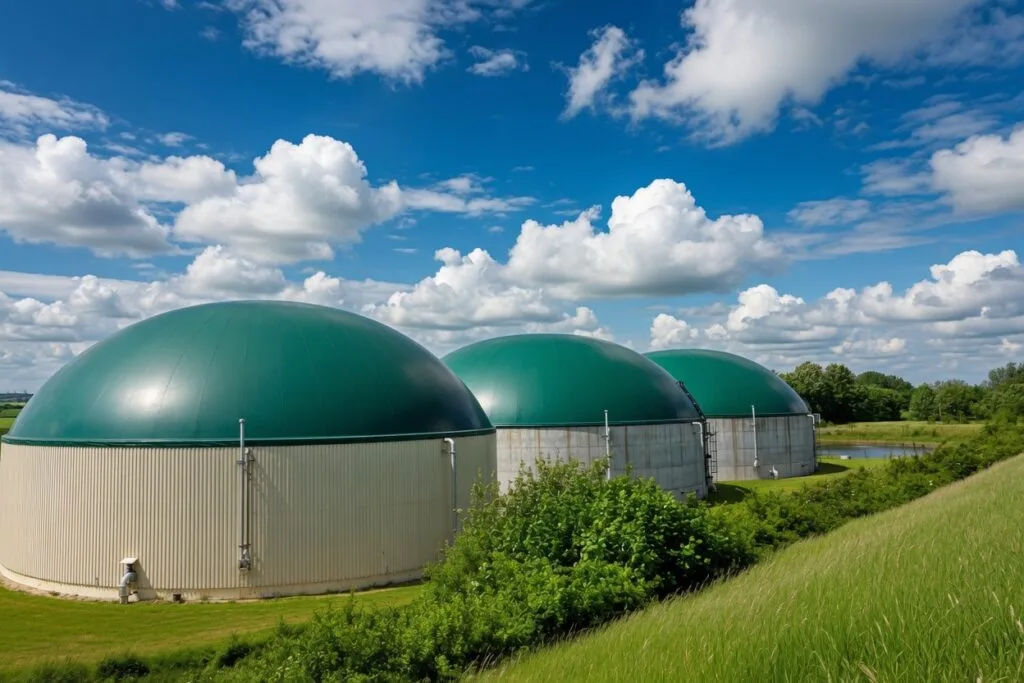
Biogas is produced through the anaerobic digestion of organic matter (agricultural waste, sludge, biowaste). Once purified, it becomes biomethane, whose characteristics are equivalent to those of natural gas. Biomethane can then be injected into the grid, used as a fuel or monetized through certificates.
This sector is at the heart of the energy transition: it turns waste into renewable, local energy while reducing emissions.
A European market taking shape
The biomethane sector continues to grow and is structuring rapidly at the European level. The creation of dedicated marketplaces aims to streamline trading and give visibility to producers and buyers alike.
- Steady growth in biomethane injection capacity.
- Emergence of European market platforms.
- Increased demand for transparency and traceability.
- Calls from the sector for swift and stable public decisions.
Why companies are interested
Decarbonize your gas consumption
For an industrial company, incorporating biomethane helps reduce the carbon footprint of its processes without changing its equipment.
Monetize through certificates
The biomethane certificates and biogas certificates make it possible to trace and showcase the renewable origin of the energy consumed.
What market structuring concretely changes
Until now, trading largely relied on over-the-counter agreements that were hard to read and difficult to compare. The emergence of dedicated marketplaces brings price references, better liquidity and common traceability rules. For a company, this means more transparent contracts and a greater ability to secure its volumes over the long term. This newfound maturity brings the sector closer to how conventional energy markets operate, while retaining its low-carbon dimension. Anticipating this evolution, rather than undergoing it, remains the best way to benefit from it.
This dynamic concerns players of all sizes. A single industrial site, just like a multi-site group, can benefit from it, provided the strategy is adapted to its volumes and decarbonization objectives. The right approach is to frame the project with a partner who masters the contractual, regulatory and logistical aspects, in order to avoid decisions made under pressure.
Key takeaway: biomethane combines local energy, reduced emissions and value creation through certificates. An asset for companies committed to the transition.
Monetize your renewable energy
E-Station supports companies in purchasing biomethane and monetizing it through biogas and biomethane certificates.
Discover our biomethane solutionsBiomethane market 2026: opportunities for companies
In 2026, the European market for biomethane is structuring under the combined effect of REPowerEU targets, national support mechanisms and growing corporate demand for low-carbon energy. For industrial players, this renewable gas is both a decarbonization lever (through guarantees of origin) and a hedge against fossil-gas volatility. Understanding the price and volume dynamics is therefore essential. News on these energy markets is tracked by reference sources such as Reuters.
For a company, securing biomethane and its guarantees of origin means anticipating its needs, contracting firm volumes and showcasing its decarbonization commitment to its clients and stakeholders. A specialised partner helps structure these operations and optimise their value.
Source your biomethane with E-Station
E-Station supports companies and industrial players in sourcing biomethane and monetising guarantees of origin. We structure your contracts, secure your volumes and help you meet your decarbonization goals.
Do you want to incorporate biomethane into your energy mix? Contact our teams for a tailored offer.
Frequently asked questions about the European biomethane market
What is the difference between biogas and biomethane?
Biogas is produced through the anaerobic digestion of organic matter; once purified, it becomes biomethane, a green gas whose characteristics are equivalent to those of natural gas.
How can biomethane be monetized?
It can be injected into gas networks, used as a fuel, or monetized through renewable origin certificates.
Why is it said that the biomethane market is structuring in Europe?
The creation of dedicated marketplaces at the European level aims to streamline trading and give more visibility to industry players.
How does biomethane contribute to the energy transition?
It turns organic waste into renewable, local energy while reducing emissions compared with fossil fuels.
How can a company source biomethane or monetize its certificates?
A specialized broker can help secure biomethane supplies or optimize the monetization of certificates on this rapidly structuring European market.
Aucun commentaire pour l'instant!