The Kirkuk-Ceyhan pipeline is back at the heart of Iraq's oil strategy: as a 52-year-old agreement reaches its expiry, Iraq is negotiating a new export deal with Turkey. The goal: to secure an outlet route for its crude, an alternative to the Strait of Hormuz. A breakdown of the stakes for oil buyers.
A historic agreement that is expiring
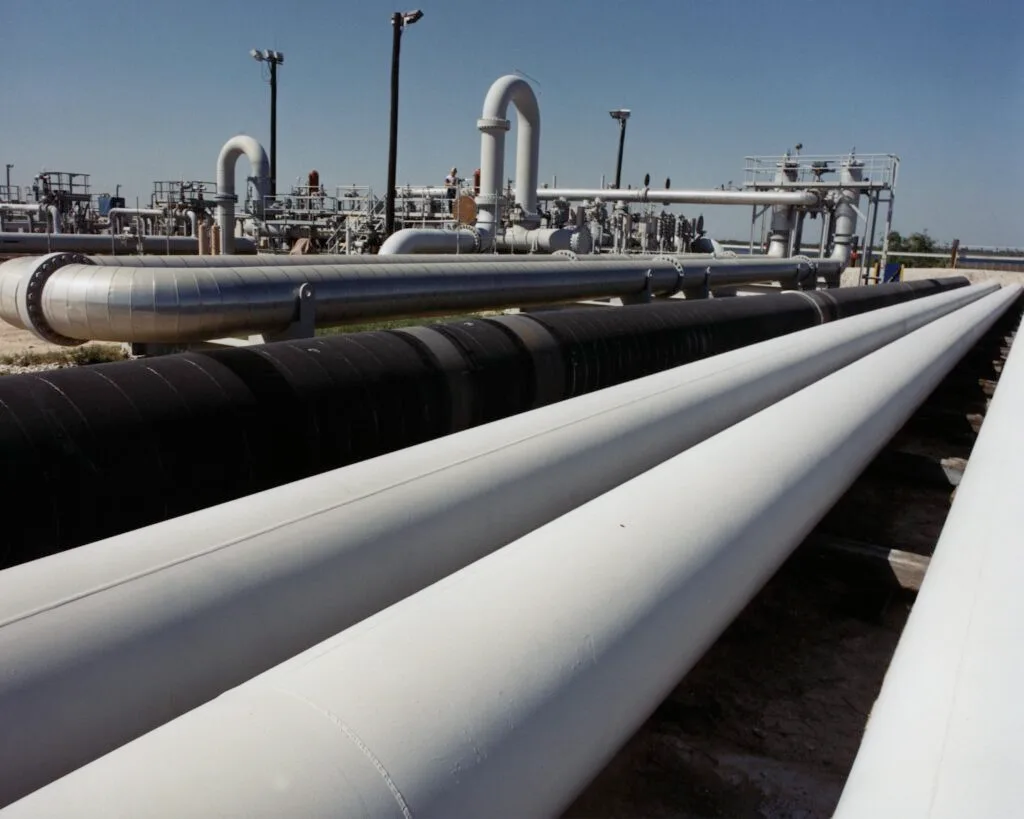
Baghdad has set up a government committee tasked with negotiating a new agreement with Ankara before the expiry, next month, of the pact governing the pipeline linking Kirkuk to Ceyhan. This infrastructure carries Iraqi crude to a Turkish Mediterranean terminal, from where it is exported to Europe and other markets. Turkey has announced that it is ending the 52-year-old agreement and that a new framework has become necessary.
The committee brings together the Iraqi ministries of oil, finance and foreign affairs, as well as representatives from the Kurdistan region. Its mission: to draft the agreement that will replace the current pact.
Bypassing the Strait of Hormuz
What is at stake goes beyond a simple technical renewal. By securing the overland route to the Mediterranean, Iraq reduces its dependence on the Strait of Hormuz, a strategic passage regularly exposed to geopolitical tensions. Diversifying export outlets means guarding against blockages and smoothing flows towards European markets.
What this changes for buyers
For crude buyers, the stability of export routes is a key factor in supply security. A long-term Kirkuk-Ceyhan pipeline offers a reliable alternative and can weigh on regional price differentials regional. Following these negotiations helps anticipate changes in availability and cost.
Key takeaway: security of supply does not depend on produced volumes alone, but also on the reliability of transport routes. Diversifying outlets is a strategic lever.
Secure your crude oil supply
E-Station supports industrial buyers in the sourcing of crude oil and refined products, with a keen reading of logistics routes and market dynamics.
Kirkuk-Ceyhan pipeline: a logistical issue for your supply
The Kirkuk-Ceyhan pipeline represents a strategic export route that bypasses the Strait of Hormuz, a sensitive chokepoint through which a major share of the world's crude transits. For buyers, a reopening or ramp-up of this route means more Iraqi and Kurdish barrels available in the Mediterranean, with a direct impact on price differentials and freight costs. Dispatches from Reuters and evaluations from Platts remain the go-to references for tracking the state of these flows and anticipating their effects on the markets.
Diversifying supply routes is a key lever for securing supply. Having access to several export terminals (Ceyhan in the Mediterranean, Basrah in the Gulf) reduces exposure to logistical blockages and allows for negotiating more favourable differentials depending on the market window.
Secure your flows with E-Station
Our trading teams draw on an international network of refineries and terminals to guarantee their clients firm volumes of crude and refined products, whatever the logistical configuration. We structure contracts tailored to your risk exposure and manage delivery end to end.
Do you want to secure your supplies against logistical uncertainties? Contact our trading team for a firm quote.
For a buyer, the question is not just whether the Kirkuk-Ceyhan pipeline reopens, but at what pace and at what cost. A partial resumption of Iraqi flows eases the Mediterranean market, but freight premiums remain sensitive to the slightest regional incident. At E-Station, we track these trade-offs day by day to time your purchases to the most favorable windows and avoid price shocks.
Frequently asked questions about the Kirkuk-Ceyhan pipeline
What is the Kirkuk-Ceyhan pipeline?
It is an infrastructure that carries Iraqi crude to a Turkish Mediterranean terminal, from where it is exported to Europe and other markets.
Why is this agreement being renegotiated?
The historic 52-year agreement governing the pipeline is expiring, and Turkey has announced it will end it, making a new export framework necessary.
How is this pipeline an alternative to the Strait of Hormuz?
It gives Iraq an overland export route for its crude, reducing its dependence on maritime transit through the Strait of Hormuz, a chokepoint sensitive to geopolitical tensions.
Who is negotiating this new agreement on the Iraqi side?
A government committee bringing together the Iraqi ministries of oil, finance, and foreign affairs has been tasked with negotiating the new framework with Ankara.
What is at stake in this agreement for oil buyers?
Securing this export route directly influences the reliability and diversification of Iraqi crude supplies to European markets.
Aucun commentaire pour l'instant!