
Bitumen bleeding in heatwaves: causes, prevention and treatments
Pavement temperatures in heatwaves, softening point of bitumen grades, causes of bleeding, chipping and lime wash: how to prevent and treat bitumen that rises to the surface.

Pavement temperatures in heatwaves, softening point of bitumen grades, causes of bleeding, chipping and lime wash: how to prevent and treat bitumen that rises to the surface.

NF EN 12591, NF EN 14023, NF EN 13808 and the NF EN 13108 series, the new European Construction Products Regulation 2024/3110, REACH and worker health: an update on the regulation of bituminous binders.
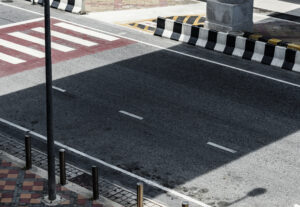
Black or coloured asphalt, synthetic binder, vegetable binder, mastic asphalt, concrete or stabilised surfacing: thicknesses, service lives, costs and accessibility rules for choosing the surfacing of a cycle path or a pedestrian area.
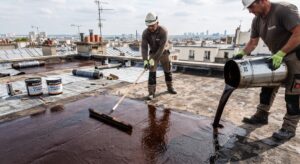
SBS and APP membranes, oxidised bitumen, mastic asphalt, DTU 43.1 and DTU 20.1: how bitumen protects flat roofs and foundations against water ingress, and where claims are concentrated.

Reclaimed asphalt, plant and in-place recycling, French and European rates, PAH thresholds and asbestos surveys mandatory since 2026: how the road sector reuses old bitumen.
Carbon footprint of bitumen and asphalt mixes, real gains from warm mixes, recycling and bio-based binders, and the limits of these solutions: an update on low-carbon bitumen.