
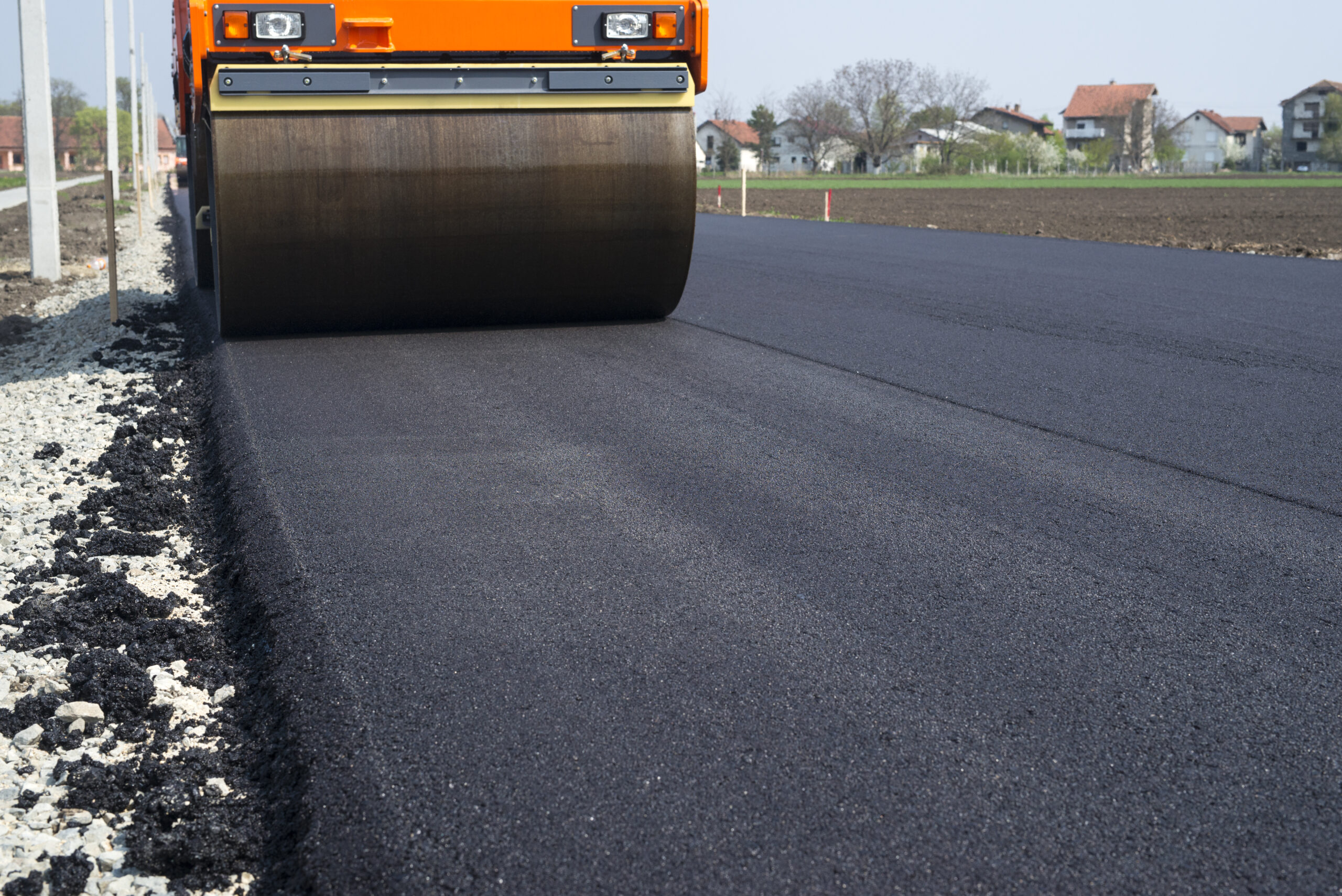
The bitumen grade reads as a penetration range: the lower the number, the harder the binder. A 35/50 is stiffer than an 80/100. This hardness determines how the road behaves in heat, cold and traffic. Choose right, and the road lasts; choose wrong, and you get rutting in the heat or cracking in the cold.
This comparison places each EN 12591 standardised road grade and extends the guide to choosing according to climate and traffic, within the supply of road-grade bitumen by E-Station.
Comparison table of bitumen grades
| Grade | Hardness | Climate | Traffic | Typical use |
|---|---|---|---|---|
| 35/50 | Hard | Hot, extreme | Heavy to very heavy | Structural roads, platforms |
| 50/70 | Medium | Hot, warm temperate | Medium to heavy | Roads, common routes |
| 80/100 | Soft | Temperate to cold | Moderate | Roads in cool climates |
| Oxidised 85/25 | Very hard | Any | Off-road | Waterproofing, roofing, industry |
Indicative values based on EN 12591 normative characteristics. The product data sheets specify the specifications of each batch.
35/50: stiffness for heavy traffic and intense heat
The hardest of the common road bitumens. Its low penetration limits deformation under high load and high temperature: it is the binder of heavy-goods-traffic roads and industrial platforms in hot climates. Its downside: lower workability at application and a risk of cracking if wrongly used in cold climates. The bitumen 35/50 is justified as soon as resistance to rutting becomes the priority criterion.
50/70: the reference compromise
This is the most requested grade on the markets of West Africa and around the Mediterranean. It combines good heat resistance and adequate workability at the plant, which makes it the default choice for the majority of roads and routes with medium to heavy traffic in hot climates. When nothing calls for an extreme grade, the 50/70 bitumen is the point of balance.
80/100: flexibility for temperate climates
Softer, it resists cold better and suits moderate traffic in temperate to cool climates. Used in intense heat, it flows and ruts; in its rightful place, it prevents thermal cracking. The bitumen 80/100 is the answer where cold-weather behaviour takes priority over heat resistance.
Oxidised 85/25: outside the road field
The oxidised bitumen 85/25 is not a road-construction grade: its very high softening point makes it suited to waterproofing, roofing and industry. Confusing it with a road grade leads to unsuitable use.
The method to decide in three questions
The choice comes down to three successive decisions. Which climate? Hot points to the 50/70 or the 35/50, temperate to the 80/100. Which traffic? The heavier it is, the harder the binder must be. Which use? Road construction calls for a standardised grade, waterproofing for an oxidised bitumen. E-Station starts from these three answers to recommend the compliant grade, rather than imposing a generic product—a logic developed in the climate and traffic guide.
Frequently asked questions
Which is the most versatile grade?
The 50/70: its balance between heat resistance and workability makes it the default choice for the majority of projects in hot to warm temperate climates.
Can a 50/70 be replaced by an 80/100?
Only if the climate justifies it. In a hot climate, the 80/100 risks rutting. The grade is chosen according to local conditions, not according to availability.
Does the grade influence the price?
Yes, depending on the availability of the grade on the market. The price of bitumen factors the grade in among its components, alongside packaging and the Incoterm.
In doubt about which grade to order?
State the climate, the traffic and the use: E-Station recommends the compliant grade and prices the quotation.
Request a quotation →