
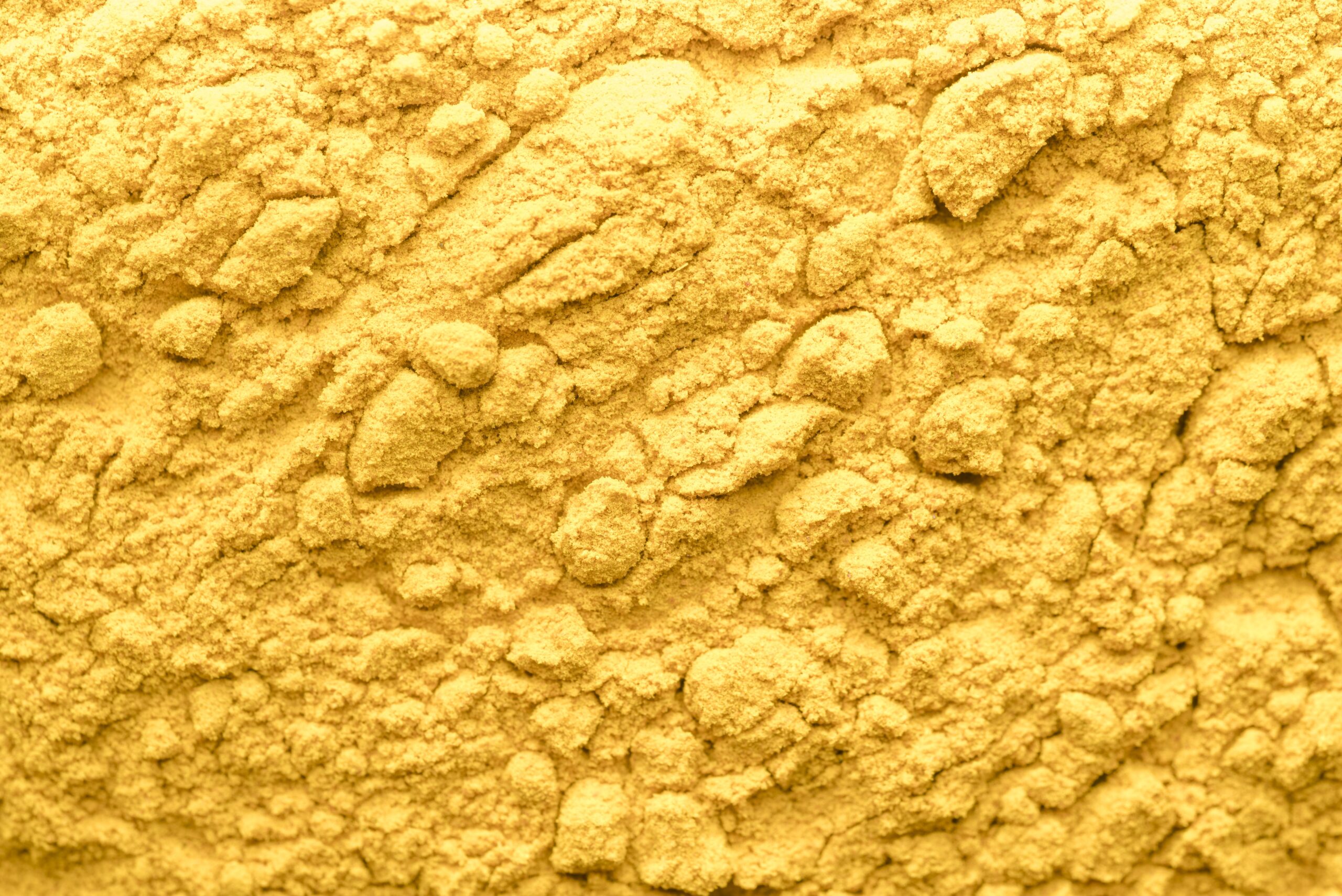
A sulfur delivery to Mali is decided before the vessel sails. The port of discharge, the type of packaging and the Incoterm determine the delivered cost and the lead time far more than the price shown at origin. This page describes how E-Station ships sulfur to Malian buyers, alongside our page on buying sulfur in Mali.
Ports and corridors in Mali
Mali depends on two corridors. Dakar serves Bamako by road over more than 1,200 kilometres; Abidjan has regained ground with 1.47 million tonnes of Malian transit in 2025, up 76.4%. Sulfur arrives in containers of big bags or in bulk transferred to tarpaulin-covered trucks at the port. Transit requires a customs declaration at the port of entry, road tracking, then customs clearance in Bamako. A full bulk carrier makes sense only for a blender grouping several thousand tonnes.
Bulk or big bags: choosing by volume and site
A bulk carrier is suitable from several thousand tonnes, when the port of discharge has cranes or gantries and the buyer can store the sulfur on a dedicated pad. Below that, the 20-foot container loaded with one-tonne big bags remains the most flexible formula: it travels on liner services, clears customs like an ordinary container and is delivered by truck to the plant. For Mali, most of the enquiries E-Station receives fall under this second formula; large consumers group their purchases to fill a hold.
Incoterms and transport documents
Solid sulfur is a class 4.1 dangerous good (flammable solid) under the IMDG Code. Every shipment leaves with its dangerous goods declaration, safety data sheet, certificate of analysis and certificate of origin. The Incoterm is chosen with the buyer: FOB if you control your own freight, CFR or CIF for a price delivered to the port of discharge, DAP when delivery goes all the way to the site. E-Station always states the Incoterm on the quotation, which makes it possible to compare two offers on identical bases.
Lead times and planning
The total lead time adds together availability at the loading port, the voyage, unloading at Dakar or Abidjan and then the road to Bamako. A cargo loaded in the Mediterranean or the Black Sea avoids the detours imposed by the situation in the Gulf since 2026, and its loading window is fixed several weeks in advance. E-Station confirms the lead time on the quotation, then tracks the vessel or the containers until the documents are handed over. A buyer in Mali who plans the annual tonnage ahead obtains regular rotations rather than spot purchases exposed to freight swings.
Inspection at loading and receipt
Where the contract provides for it, an independent inspector takes samples, checks moisture and records the tonnage loaded by draught survey or by weighing the containers. The certificate of analysis is issued before departure. On arrival in Mali, the buyer thus holds enforceable proof of conformity, from the loading port to receipt. The sulfur trading page details the specifications we guarantee.
Frequently asked questions
Which port does the delivery go through?
+
Sulfur is landed at Dakar or Abidjan, then travels by truck to Bamako under transit arrangements. The choice of port depends on the shipping line and the final delivery site.
What lead time should you allow for a delivery to Mali?
+
It depends on the origin chosen, the loading window and the sea transit; it is confirmed at the time of quotation, with tracking through to unloading.
Which Incoterm should you choose?
+
FOB if you charter yourself, CFR or CIF for a price delivered to the port, DAP for delivery to the plant. The choice is made at quotation according to your control over freight and your need for insurance.
Does sulfur require special precautions?
+
Yes: IMDG Code class 4.1, prepared holds or containers, storage away from sources of ignition and complete transport documentation. E-Station prepares these with the supplier and the carrier.
A sulfur delivery to organise in Mali?
Tell us the port, the volume and the packaging you want: we come back with an itemised delivered cost and a lead time.
Request a quotation →