
Buying sulfur in the DRC means knowing three things before the price: who uses the product in the country, through which port it enters and in what form the plant can receive it. A lot of granular sulfur arriving at the wrong port, or in bulk at a buyer equipped only for big bags, costs more than a slightly higher quotation. As an energy broker based in Paris, we deal with these three questions from the first enquiry.
Who buys sulfur in the DRC
The DRC is the largest consumer of sulfur in French-speaking Africa. The copper and cobalt plants of Katanga and Lualaba extract the metal by acid leaching followed by electrowinning, and for that they burn imported sulfur in their own sulfuric acid units. The country consumes about 2 million tonnes of acid per year. In the first quarter of 2026, its sulfur imports fell to 368,500 tonnes against 414,000 a year earlier, and its acid imports dropped from 113,000 to 29,200 tonnes after Zambia restricted exports and Chinese exports stopped. Kamoa-Kakula produced 117,871 tonnes of acid in the first quarter of 2026 and sold 107,700 tonnes to other miners, at prices that rose from 467 to 725 dollars per tonne. Every available tonne of sulfur finds a buyer in Kolwezi, Likasi and Lubumbashi.
What sets us apart as a sulfur supplier in the DRC
A trader's job is to absorb the complexity so that the buyer has only one concern: receiving a compliant product. This translates into a few simple commitments, all verifiable.
- Proven compliance: a certificate of analysis accompanies each lot; purity, ash, acidity and moisture are known before departure rather than discovered on receipt.
- Origins outside risk areas: our cargoes come from refineries and gas units whose loading ports remain accessible whatever the situation in the Gulf.
- A single contact: the same contact follows the file from quotation to discharge in the DRC, with no handover between departments.
- Structured logistics: the form of sulfur, the Incoterm and transport to Dar es Salaam, Durban or Walvis Bay, then the road to Katanga and Lualaba are fixed from the offer stage; the details are on our page sulfur delivery in the DRC.
Which form of sulfur to order in the DRC
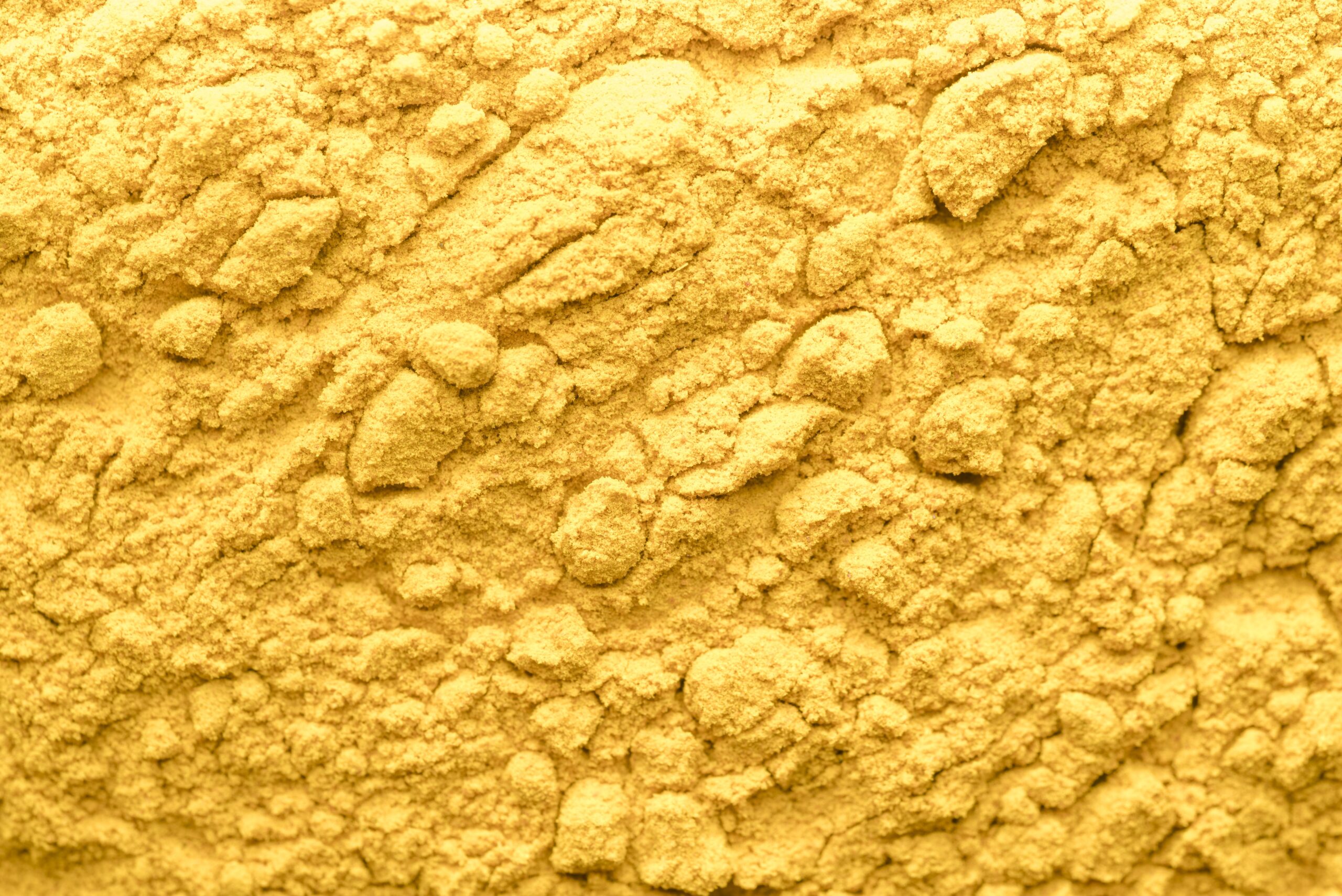
The granulated sulfur remains the reference form for a plant that melts the product before burning it: it flows well, gives off little dust and is stored in the open air on a dedicated area. Pastilles suit fine-mesh melters, crushed sulfur suits long storage, and powder suits agricultural uses and rubber. For a buyer in the DRC receiving big bags, the particle size and dust content are specified in the quotation, because they determine handling on arrival.
The sulfur context in the DRC
Since September 2025, Zambia has capped its sulfuric acid exports to protect its own smelters, and China suspended its own in April 2026. Congolese miners have therefore switched to buying sulfur to produce acid on site, at a time when Gulf cargoes remained blocked by the closure of Hormuz. Goldman Sachs put the copper lost in 2026 at 125,000 tonnes if logistics delays continued.
Price, quotation and payment
The price of sulfur delivered in the DRC is made up of the benchmark price, the origin, the form of the product and freight to Dar es Salaam, Durban or Walvis Bay, then the road to Katanga and Lualaba. Each of our quotations is dated, separates these items and remains valid for a stated period. On the financial side, everything is settled by bank transfer: a deposit on ordering, the balance against the shipping documents. The letter of credit is reserved for established companies, after a first contract honoured by transfer. Do your sites also need road binder? See our offer for bitumen in the DRC.
Frequently asked questions
Which form of sulfur should you order in the DRC?
+
Granulated sulfur covers most industrial needs. Pastilles, crushed sulfur and powder meet the needs of specific equipment or uses; the form is agreed with the buyer before quotation.
Which port does the delivery go through?
+
Through Dar es Salaam, Durban or Walvis Bay, then by truck across Zambia to Kasumbalesa, or along the Lobito corridor from Angola. The choice depends on truck availability and transit times at the time.
What is the minimum volume?
+
A few dozen tonnes in containerised big bags for a buyer in the DRC; a full shipload for bulk. The precise volume depends on the port and its discharge capacity.
What are the payment terms?
+
Bank transfer, with a deposit and then the balance against shipping documents; a letter of credit comes later, once a first contract has been settled by transfer.
A sulfur project in the DRC?
Specify the form, volume and discharge port: the quotation comes back quickly, with detailed conditions.
Request a quotation →